
Pulling The Trigger - Part 8
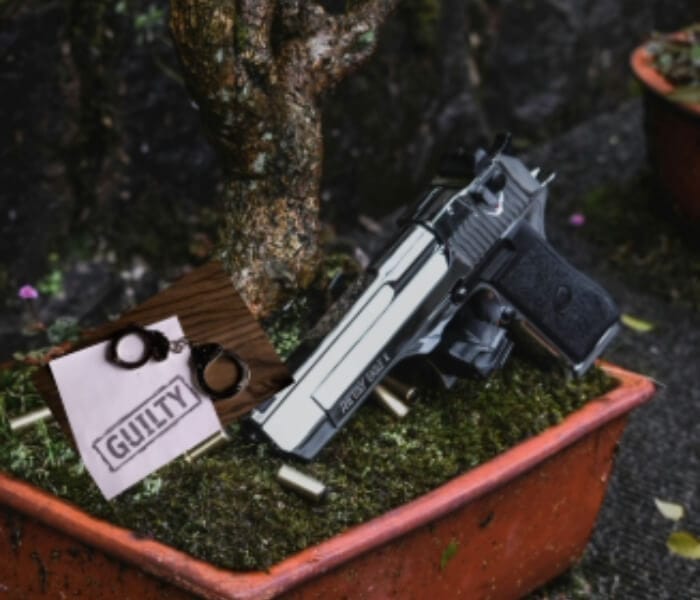
“It’s a cruel and sad fact of life that it takes a little more than pulling the trigger to end another person’s life. Just as it’s a cruel fact of life that we follow our hearts and act irrationally in a moment of panic.” - Trevor D. Richardson
After Lizette and Kegan finished eating, Lizette started washing the dishes, and I went to stand beside her. Without saying a word, I started drying the plates she placed in the drying rack. It felt like a fragile attempt to cling to the routines we had shared; small gestures in the midst of my haze, despair, and unanswered questions, a silent plea that some semblance of normality could still exist. She seemed calm, almost disturbingly so, and I seized the moment.
“I need to know,” I said, my voice steady despite the storm inside me. “What exactly is going on between you and Liz?”
I knew she had heard that question countless times over the past six months at Tess and Liz’s. But this time, there was no hesitation.
In an instant, she slammed a plate into the basin with force, the water splashing up against the window, the floor, and onto us, her anger spilling over in a sudden, tangible burst. She spun toward me, eyes hard, her voice cutting through the tension like a thunderbolt on a quiet night, as if I was the one who betrayed her.
“You will never quit, will you? The truth is… Liz and I have been having an affair for the past eight months. I didn’t know how to tell you, but I knew sooner or later I had to, because I saw what it was doing to you.”
There was no remorse. No softness. No pleading. Only the cold, unflinching statement of fact, and in it, I could feel the weight of finality crushing the very core of what made me human.
After months of doubt, suspicion, and silent torment, I finally heard it; her confession, laid bare in her own words. My voice rose, demanding, sharp with anger and the need for answers:
“Call Liz. Call her now. I want to see her. I want to confront her if this is true.”
The tension coiled in every fiber of my body, adrenaline surging like a live wire beneath my skin. My hands shook slightly, but my gaze never wavered. Seconds felt like hours. And then, around 7 p.m., Liz arrived at our home.
The storm that had been building for months was about to break.
She walked into the kitchen after Lizette phoned her. She wasn’t aware of why she’d been called over; to her, it was casual, ordinary, just another visit. I didn’t wait to let her make it ordinary.
I confronted her straight away with what Lizette had said. I didn’t wait. I threw Lizette’s words at her straight away. The last six months hadn’t been a slow burn that finally set the whole place alight.
She didn’t deny it; in fact, she almost looked impressed that I’d worked it out. There was a provoked, arrogant satisfaction in her face, as if my knowing only confirmed what she already believed: she had the right to tell me how things would be from now on. With a cold arrogance that made my skin crawl, she leaned in and said, low and close, “And you know what? Kegan is coming with us. He’s already like my own son.”
Those words were a blade. Time collapsed. Everything that had been threading through me for months: the suspicion, the betrayal, the sleepless nights, snapped into one single, sharp reality: someone was trying to take my child. I felt something unclench inside me, animal and blind and raw. Nobody touches my son. Nobody. I moved before I thought. I grabbed her by the throat with both hands, tight and unforgiving.

Everything narrowed to the pressure of my grip and the desperate, animal need to stop her from taking my child. I was screaming at her, over and over, that she would never take Kegan from me. I felt a burning sensation of adrenaline, and a single word ran through me: protect.
I don’t remember thinking. I remember acting. I remember hands, my hands, closing around her throat. I remember the sound of my own voice, high and ragged, and then a strangled thud as we dropped to the floor. We hit hard; the kitchen tiles felt like burning coals. I was on top of her, my hands tight, my muscles worked without permission, my voice raw as I screamed that she would never take my son. Every inch of me concentrated on one impossible mission: make sure she never leaves with Kegan. Make sure she never touches him again.
Where was Kegan? A distant, panicked thought. I couldn’t pin it down. He could have been in the lounge, in another room, under someone’s arm. That question cut through me like ignition.
Every second I lay there fighting, tightening my grip around her neck, the image of her walking away with him burned brighter, demandingly real. I had to stop it. I had to stop her, even if it used the last of whatever strength I had left.
Then Lizette’s hands were on me, yanking me off; fingers digging into my shirt, trying to drag me away from Liz as if the motion could separate the danger itself. Her voice cut through the wrestle; sharp, urgent, shouting for me to let go; I can’t remember her exact words, only the command in them. As my grip tightened, her voice faded, muffled at the edges of everything I felt. I was in automatic mode, my body responding on instinct, my mind shut down to everything except the need to stop Liz from leaving with Kegan.
The visions were crystal clear; her walking out with him, and it felt like a relentless panic that overrode and flooded any thought of consequence. My chest tightened around me until there was no space left for logical thinking anymore. I was left with nothing but fear.
Lizette’s grip became more desperate, angry, and precise, and she kept shouting at me as she hauled me away, the urgency in her voice eventually snapping me back to reality in small, violent bursts.
The scuffle blurred into noise: the slap of palms, the rasp of fabric, our breaths scraping in the small space. The struggle was short and ugly. After Lizette pulled us apart, we somehow found ourselves back onto our feet, faces raw with exhaustion and rage. My voice exploded, raw and ragged. “Get the fuck out of my house, you fucking bitch. If I ever see you again near Lizette or Kegan, I will fucking kill you.” The words came out feral, a promise born of panic and terror, and like a mother’s boundless refusal to lose her child.
She turned toward the door as if I had merely inconvenienced her. Before she left, she threw back the same insolent look and said, cool as a blade, “We’ll see about that,” as if she were making a promise, not leaving a house. Then she walked out.
Everything after that happened in a kind of stunned, shaking slow motion; the ringing in my ears, the way the kitchen light felt too bright, the way my hands trembled where they had been on her throat. I couldn’t tell whether I was more furious, more terrified, or more broken. I stood there and tried to breathe, trying to make sense of what had just happened, and the one thing that kept repeating in my head was the pulse of terror that kept saying the same thing: Protect him. Hold him. Don’t let her win.
Lizette and I were standing in the hallway, opposite the entrance to the television room. For a moment, neither of us spoke. We just stood there, both breathing unevenly, staring at each other with the shock of what had just happened still hanging thick between us. I only knew that if Lizette hadn’t grabbed me and pulled me off, I would have squeezed the breath out of her. That’s as plain as I can put it.
There was no shouting any longer, no movement, just that stunned, hollow disbelief when something deeply personal and irreversibly painful has finally been dragged into the open. I could feel my chest tightening, my thoughts racing, but my body frozen, like the world had paused and we were suspended in it, forced to face the truth neither of us could take back.
The moment didn’t explode into more chaos. After everything came out, I was still shaking; angry, hurt, desperate for answers that wouldn’t stop racing through my head. Lizette didn’t meet that energy with more fire. She wasn’t dramatic or defensive. She stayed steady, quiet, and grounded. She reached for my arm, not to silence or to control me, but to keep me from spiraling.
“Come,” she said softly, with a firm voice, and gently guided me into the television room. “Let’s sit down and talk in here.”
My eyes caught a tiny figure seated on the couch. It was Kegan. With big, scary eyes, he looked at his mother and me, sitting quietly with the TV on but clearly not watching it. The air in the room tightened the moment we entered. Lizette, still beside me, still composed in that strangely controlled way someone is when they know they’ve already crossed a line they can’t uncross.
I loosened myself from Lizette's hand on my arm and went to him, pulled him close, and held him like a lifeline. My hands were still shaking against his small back. In that embrace, there was no clarity, only an absolute, raw focus: he was safe, and I was not going to let anyone take him.
I went to sit on the coffee table opposite Lizette, who sat down on the couch. My questions started spilling out. “Why are you doing this to me?” My voice broke in places. “When did it start? How long? Why her? Why now, when we have our dream house? Why like this?” I wasn’t shouting, just pleading through a stream of tears, desperate, as if the right answer might make the pain make sense.
She didn’t argue. She didn’t try to calm the emotions that were compared with the questions pouring out of me uncontrollably, or pretend she could fix it with one sentence. She just kept that same steady tone. “I’ll explain. I will not run away from the truth you need to know. I’ll answer you. I will. Ask me what you need to ask. I’ll tell you.”
So that’s where the three of us ended up, inside that television room. No shouting anymore. Just a thick silence, my questions still trembling in the air, and Lizette finally ready to start answering them.
It was a clear summer evening in Kuilsriver, a small suburb just outside Cape Town. The smell of manure hung in the air, emanating from the surrounding farms in the area. The evening was ordinary, almost too ordinary for what was about to unfold.
The sky stretched open, still painted with the last strokes of daylight. A soft warmth lingered in the air, the kind of heat that makes everything feel slow and heavy.
Life was going on outside: neighbors cooking supper, children laughing in the street, dogs barking, but inside the house, my world was starting to come undone.
Voices were coming from the television room in the newly built face-brick house that was characterized by its many arches and neat lawn. The house itself was tidy, almost proud in its design. The face brick walls and arches gave it a sense of stability, like it was built to last, while the carefully cut grass outside told the story of the lives we were trying to build. It was supposed to be our dream home. It was supposed to be the place where love grew, not where it ended.
The television could vaguely be heard, showing a picture of the animated creature, the “Roadrunner”. The silly beep-beep sound echoed in the room, light and playful, in sharp contrast to the heaviness that pressed down on my chest.
Little Kegan, just two years old, stood close to his mother, and returned from a big-eyed, scary boy, to himself again, absorbed in the world of his favorite animated character. His innocence was untouched, his little heart beating in rhythm with excitement as the coyote chased after the bird. He had no idea that within minutes, his whole life would be rewritten by the sound of a single gunshot.

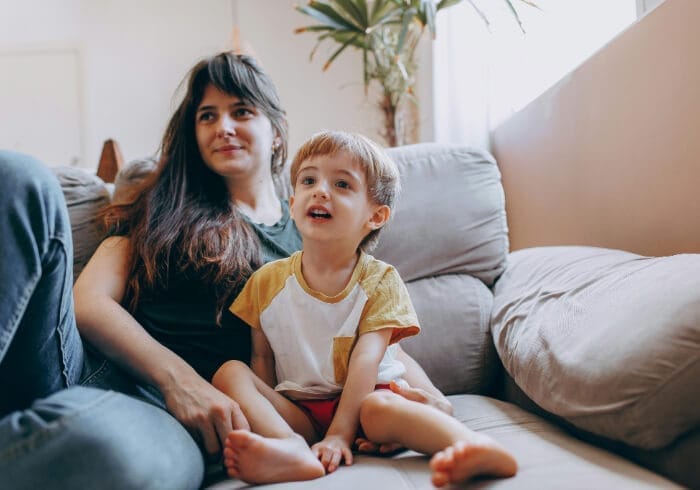
I tried to fight the sleepy waves, caused by emotional exhaustion and the intake of four well-known Schedule 4 sedatives that were already burning through my body, slowing my thoughts, numbing my edges.
Evidence of empty beer bottles was thrown away in a rubbish bin in the kitchen as silent witnesses, and another half-drunk beer was placed on the kitchen table like an accomplice.
I had been trying to drown something inside me - pain, fear, confusion - but instead it only stirred me into being out of control.
It was almost as if I was watching myself from outside my own body. I could see the tense set of my shoulders, the pale reflection of fear in my eyes, the way my fingers fumbled with the gun, but it felt as if someone else was living through it, someone I didn’t recognize. I don't remember at what stage I went to retrieve it from the cat's litter box in the garage. All I remember is that it felt as if the deadly weapon was held by someone else's hands, not mine.
I tried to speak, tried to move, tried to regain myself, but my body ignored me. It was as if I had become a passenger in my own life, trapped in a vessel that no longer obeyed my commands.
Panic rose in my chest, but even that seemed muted, muffled by the drugs and alcohol coursing through me.
Time slowed, each second stretching into eternity, yet everything was happening too fast.
In that moment, I wasn’t fully me - I was a shadow, a ghost hovering over my own life, witnessing the horror that was about to unfold without the power to stop it.
The weight of helplessness pressed down harder than anything I had ever known, and a strange, chilling clarity emerged: I was teetering on the edge of a world I could no longer navigate, one where instinct and impulse ruled, and reason had abandoned me.
I was still sitting on the coffee table, facing Lizette, who was seated on the three-seat leather couch opposite me.
We’ve been together in a happy relationship for almost ten years, and shared a love that was real, strong, and yet complicated in the way that only long relationships can be.
Gripping my police firearm with hands hanging lifeless between my knees, I was unaware of the unpredictable incident that was going to happen. I gripped it loosely, too petrified that something beyond my control might happen.
It was a month after Christmas, and the conversation between us continued with frantic talking, endless questions, and no answers. Our voices filled the room, frantically and broken.
Questions flew back and forth. Why? How? What now? Each question opened a wound that words could not heal. The sound of my desperation was almost unbearable,
The weight of words unsaid, the pressure of disappointments, and the echoes of arguments pressed down between us like a thick wall. I stood up. It was 8 o’clock, Kegan’s bath time, and I vaguely remember telling Lizette that we could finish the conversation after I’d put him to bed. I felt the intense hollowness and numbness, but knew I still had a responsibility toward my boy.
Then it happened.
I pushed myself up from the coffee table, the police-issued firearm dangling loosely in my hand, more a burden than a weapon. I wasn’t thinking about danger, not about death.
My mind was on Kegan, just two years old, as I approached him to take him for his bath. I told Lizette again we’d finish our conversation later. I meant it. I thought there would still be a later.
But fate is cruel in its timing. As I rose, the firearm shifted in my grip. My finger brushed where it never should have, and before my mind could catch up, there was a crack that tore the room apart. One second, there was the low hum of our argument, the next, an explosion that swallowed every word, every memory, every ounce of love we had built.
I hadn’t known there was a bullet in the chamber. I never cocked the 9mm pistol; I would have known if I did, because it requires quite a grip to cock a gun of that caliber. I hadn’t thought for one second that forever could end in a single, careless breath as I had risen from the coffee table.
The gunshot echoed through the walls, louder than my heartbeat, louder than anything I had ever heard in my life. Time stopped, but the sound kept ringing, stretching seconds into eternity.
And in that instant, everything changed.
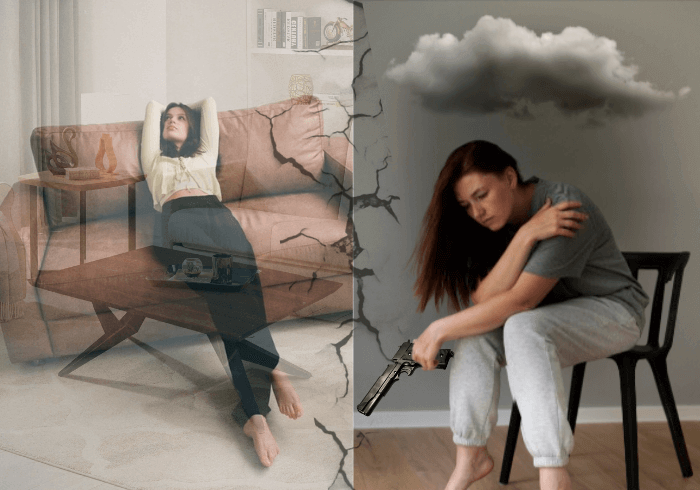
Gunfire echoed through the room as a bullet exploded from the barrel, a sound so sharp it shattered the air. A sound that would echo in my head for years to come.
Lizette grasped at her chest, her face twisted with agony, her voice cracking with words that tore me open: “I’ll stay with you…I’m dying.”
And then suddenly a scream erupted from my throat, a sound of horror, disbelief, and despair all tangled into one. “Oh my God, what have I done?”
I saw her complexion fade, the warmth draining from her face as a small red stain bloomed on her green T-shirt. Her body slumped sideways, her head hanging lifelessly. I froze. My heart slammed against my ribs, but my body would not move. With a frantic face, I looked at her, busy dying right in front of my very own eyes.
Then Kegan’s eyes caught mine. Still holding onto the world of cartoons, standing by his mother, he looked at me with confusion too big for his tiny frame. His little voice, soft and innocent, broke the silence: “Mommy dead.”
Those two words pierced deeper than any bullet could. The room grew unbearably still, almost sacred, as if time itself was holding its breath. I stood paralyzed in the middle of the room, my mind refusing to believe what my eyes were seeing.
There was confusion between us, both feeling helpless and unsure of what to do next. We just stood there with somber, expressionless faces, looking at the lifeless body of a mother and lover, and then looking at each other again.
Neither Kegan nor I could move. It was as though we were afraid to disturb some delicate balance in the room. The “Roadrunner’s” “beep-beep” became the only audible sound in the room while my entire humanness slowly returned to reality.
It was 8:00 p.m. on a Saturday, and I stood breathless in the middle of the room, trying to believe that Lizette would be alright, fighting back the tears, and not sure if I was crying for Lizette, for Kegan, or for what was going to become of me. Lizette was gone. Kegan’s mother was gone. My lover, my companion, my everything - gone. But my heart, desperate and stubborn, refused to accept it.
I clung to the hope that she would suddenly open her eyes, that her lips would form words again, that life would return to her. But the truth was already etched in her stillness. And that was the moment I knew my life had shattered into pieces that could never be put back together again.
My breath came in short, broken bursts. I wanted to believe it wasn’t real, that this was some terrible nightmare, but the sight of Lizette’s body on that couch screamed the truth at me.
Kegan stood frozen beside her, his tiny hand resting gently on her lap, as if by touching her he could keep her there. That picture burned itself into my memory forever - a little boy clinging to his mother, not understanding death but sensing it.
I needed help. I needed someone, anyone, to tell me what to do, because in that moment, I was no longer a policewoman, strong, no longer in control. I was just broken.
I ran to the telephone in Lizette’s hair salon, the one fixed against the wall. My fingers trembled as I dialed the number of our closest friends, Tess and Liz, who lived just around the corner. The phone rang and rang. No answer. Each second stretched into an eternity. I slammed the receiver back into place, my hands shaking, my chest heaving.
Then I dialed my mother. Her voice answered, soft and familiar, a lifeline in the storm. “Hello.” The words caught in my throat. Somehow, I managed to push them out: “Mom, I’ve just shot Lizette…please call the necessary people.”
There was a pause, filled with disbelief. “Is she hurt? What happened? Is she dead?” Her tone was calm, but I could hear the rising edge of fear underneath. “I don’t know, Mom - just call the necessary people - I don’t know what to do,” I pleaded, my voice breaking, anguished and desperate.
Without saying goodbye, I replaced the receiver and rushed to the television room where Kegan was still standing next to his lifeless mother. His little hand rested so naturally on her lifeless body, like he was waiting for her to breathe again, to turn to him, to smile at him. My heart cracked deeper at that sight. It was a heart-rending picture which I will NEVER forget. Not in this lifetime.
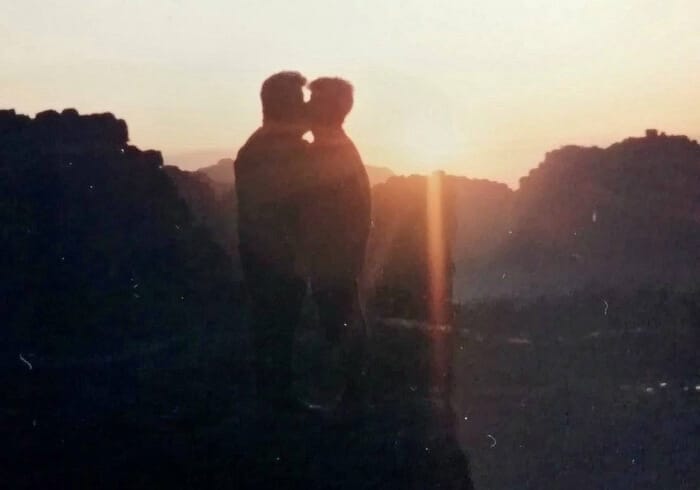
Scenes from our lives together flashed through my mind. I knew that I would never see Lizette again. She was gone, with all her warmth, her love, her knowledge about hairdressing, her fascination with people, and her curiosity regarding the small things in life. She was a conservative person who was brought up in a small country town called Robertson, where people were very narrow-minded and ignorant towards gay people, and somehow, in some odd way, she didn’t fit into the character that she had been born to, and it was that that I loved about her.
That, together with the way she hugged me when I came home after a twelve-hour shift, the way she held me at night whilst we were sleeping, the way she expressed herself when we went on long walks, with the dogs, along the beach, or the way she talked about things whilst we were sitting next to the barbecue.
She used to talk about Hitler and the Second World War, what it would be like when we have our own baby, go overseas to Greece or the Maldives, have a big house with her own rose garden.
I loved the way she would lead any conversation, serious, though filled with fine humor, typical of that of an innocent country girl. I loved the way she did her make-up, her hair, the way she smelled, the scent of her perfume would leave a fresh smell in the room where she’s been, the way her eyes closed when she laughed, and the things she said when she told me how much she loved me.
I knew my life would never be the same again. Lizette was dead, but I didn’t realize it yet. Still, I hoped that what I was seeing in front of me was only a nightmare.
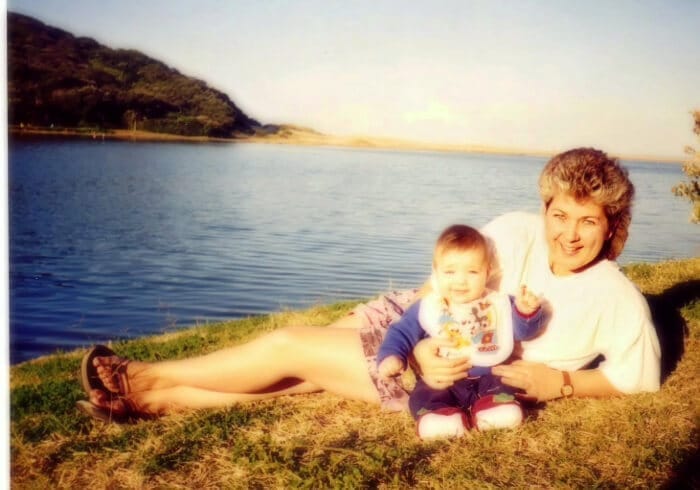
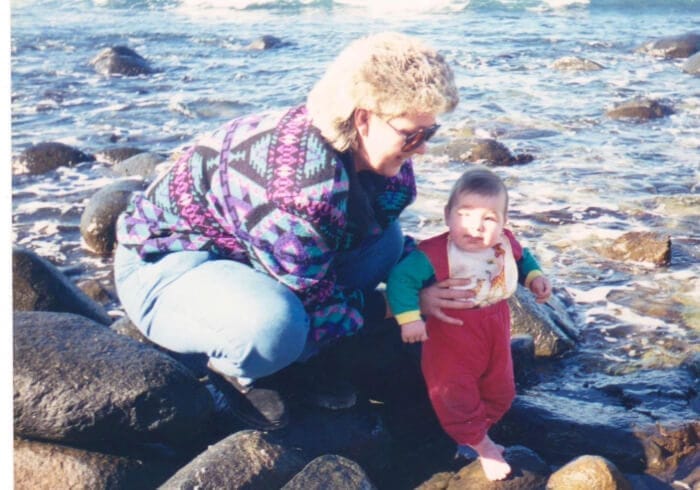
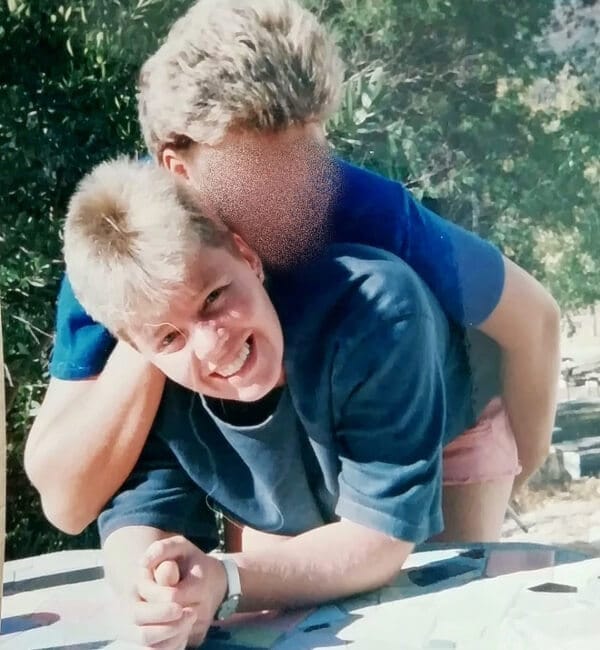
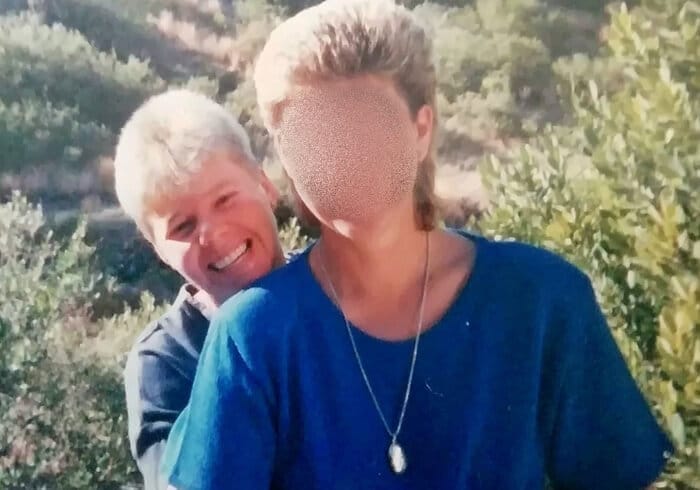
I got hold of Kegan, lifting his small body onto my hip. He clung to me quietly, no tears, no screams - just silence. A silence too heavy for a child. With my chest heaving and my mind spinning, I rushed out to the car.
My hands barely knew how to turn the key, but somehow the engine roared to life. I drove like a ghost, numb and trembling, until I reached Tess and Liz’s house. I stopped in front of the door, clutching Kegan against me. Liz opened the door, her eyes searched mine, full of questions I had no words to answer. “Where is Tess?” I asked, my voice barely holding together.
Without a word, she turned and called for her. Tess appeared, standing in the doorway, and my heart stopped. How could I possibly tell her? How could I put words to something that had destroyed me? Tess, a trauma sister at a private Medi-clinic, had a few work colleagues over for a barbecue, and they all heard the shot.
I stuttered, my mouth refusing to form the words. But they tumbled out anyway: “Tess, come quickly - I’ve just shot Lizette!” The blood drained from her face. “Is she dead? Where did you shoot her?” Her voice cracked, searching for details, clinging to hope. “I don’t know - just come quick!” I shouted, almost hysterical, turning back toward the car.
Back at the house, chaos was waiting. Tess and one of her colleagues from the Medi-clinic rushed inside. Together, they lifted Lizette from the couch and laid her gently on the carpet beside it. I turned away. I couldn’t bear to see her like that.
From the kitchen, I heard the awful gurgling sounds as they tried resuscitation - air forced into her lungs, chest pressed again and again. It was a sound that broke me completely. And for the first time, the tears came. They poured out of me, unstoppable, uncontrollable. My sobs filled the kitchen as I sank into a chair, my face buried in my hands. Everything was gone. My lover. Our son. Our home. My career. My future.
In the span of a single second, it was all ripped away, and I was left empty, gasping, suffocating. I felt claustrophobic. I wanted to get away from what was happening right then – away from everybody in the house, away from the things I heard, away from the crowd of curious people who were by that time, gathering outside on the pavement, on the lawn, all over, away from the flashing lights of the emergency- and police vehicles, away from Kegan, away from a love that used to be alive.
It felt unreal, like I was watching someone else’s tragedy, but every tear reminded me this was mine.
It must have been just after 20:30 when Tess approached me, her face heavy, her eyes filled with sorrow. She didn’t have to say it. Her silence told me everything. Still, she shook her head softly, and the world collapsed. I threw my arms around her neck, clung to her, sobbing into her neck, words spilling out like a child’s cries: “She’s dead…she’s dead…” And in that moment, time stopped.
Everything seemed to have slowed down, and everything seemed to be happening at a very far distance. I could barely see as the tears were pouring down my cheeks, and I felt a numbness I had never felt before. I felt breathless as though someone had squashed all the air from my lungs, and I would never be able to breathe again. It was the most unbearable feeling of agony and grief.
Nothing mattered anymore. Not my badge, not my reputation, not the uniform I once wore with pride. I wasn’t a policewoman anymore. I was just a broken soul who had pulled the trigger and lost the woman I loved.
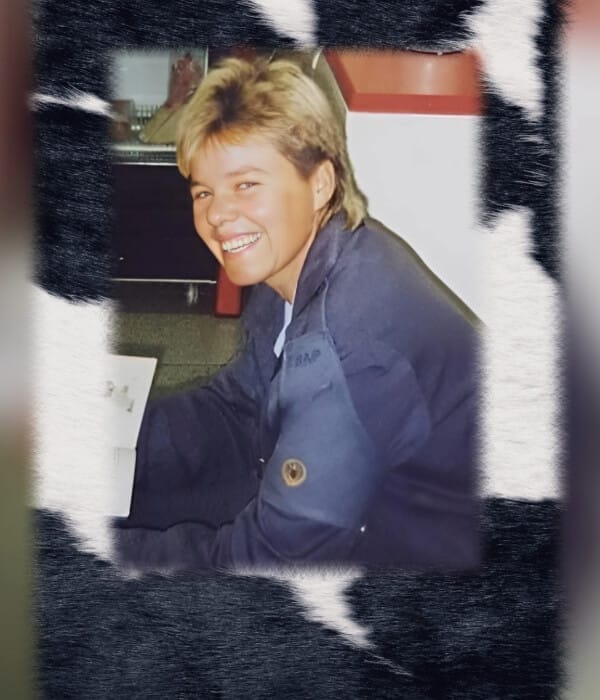
Lizette died in the prime of her life; she was almost thirty-six years old when she was killed.
It appeared to me that she was filled with excitement and ideas about the new house, a new surrounding, a new future for her, me, and Kegan. She had a mother and father who loved her dearly, but they didn’t approve of her lifestyle. They didn’t even want to accept it, and for the sake of convenience, they simply ignored the fact that their only daughter was involved in a lesbian relationship. After all, to them, it was the most incomprehensible thought and a huge blot on their family name.
I realized that they were on their way from Robertson – I phoned them too, before the shooting, and I couldn’t imagine how they would react when they arrived – the terrible shock at first, then the grief, the loss, the sorrow, the anger. This was so disastrous, so wrong. How could anyone do such a terrible thing?
Detectives escorted me through the kitchen back door and told me to stay hidden outside because Lizette’s parents had just arrived, and they were concerned about the way in which they would react towards me when they discovered that their only beloved daughter was dead. They left me outside in the dark, uncuffed and unguarded - that’s how much they trusted me.
“Where is my daughter?” I heard Lizette’s father ask in a harsh tone. At the same time, a woman started sobbing, which sounded like a long, anguished wail, a sound that pierced through the night, like someone who had been thrown from a high cliff. It was Lizette’s mother. It was the cry of a mother whose heart had just been ripped from her chest.
I wanted to run to her, to fall at her feet and beg her to forgive me. But I was told to stay hidden. The detectives, men I once worked alongside, whispered urgently to me: “Stay here. Don’t let them see you. Not now.”
While standing with my back against the wall in the dark, I could hear people saying: “There!, inside the house”, calling and talking to each other, whilst I was constantly aware of the rotating red light from the ambulance which flickered a heavy, dark red shadow against the vibracrete wall I was facing.
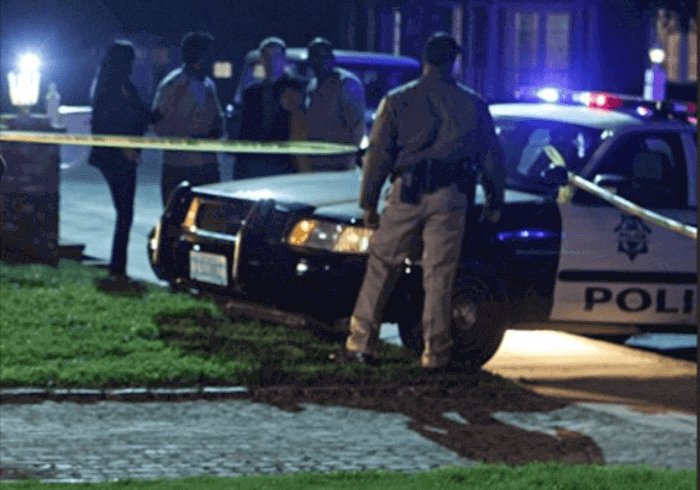
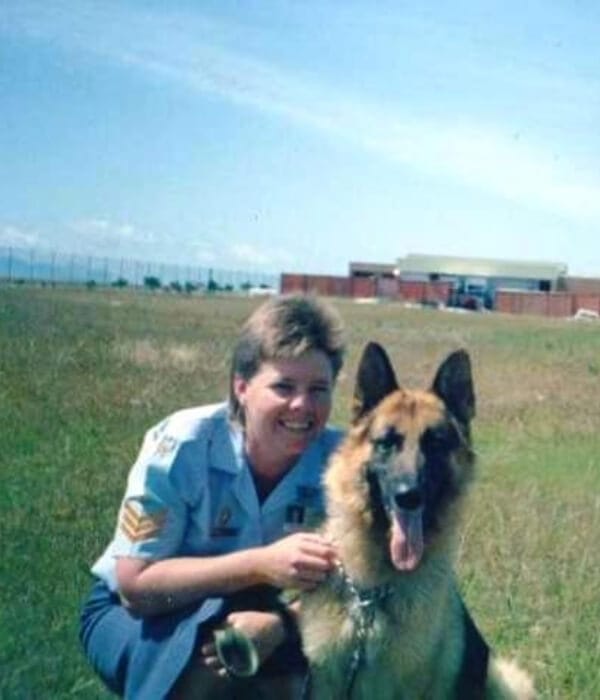
What felt like ages was most probably 15 minutes, when the detective approached me and led me alongside the house and driveway to a police vehicle.
My heart begged to collapse, but I forced myself upright as the detective led me quietly along the side of the house. From the corner of my eye, amongst the curious crowd, I saw an unknown woman with Kegan on her hip. That was the last time I saw him - ever.
Without saying a word to anyone, I was led towards the vehicle with a grim face and started to cry again when I got into the familiar vehicle, identical to the one I had driven for fifteen years.
But tonight, the familiar police vehicle wasn’t mine. Tonight, it carried me not as a colleague, not as an officer, but as a criminal.
At the detective’s offices, I went to sit behind the front desk, which was just as familiar, because I used to work in the same building. The familiarity was suffocating. My body felt weightless, pale, lifeless. I dropped my head onto my folded arms and felt as though I had died alongside Lizette.
Minutes blurred into hours. Time no longer existed. My brother and his wife, Annie, turned up soon afterward, and for a moment I didn’t know what to say when Annie asked: “Sus, what happened?” her voice trembling. I couldn’t even meet her eyes. I forced the words out like shards of glass and answered: “Just get me a lawyer, please.”
With a comforting hand, she stroked gently across my hair, whilst saying: “We are here for you if you need us.” “She’s dead,” I gasped and began to cry again when Annie put her arms around me. It was like losing Lizette all over again. The words escaped like a confession I had no strength to hold back. That terrible feeling of loss, despair, grief, and betrayal.
Annie held me as we both cried for a woman whom we loved so dearly, each in a different way. I sobbed in her arms, and while she comforted me, she listened to the same questions coming repeatedly from my trembling lips. “Why, why have I done it?" "I can't even remember pulling the trigger." "How could I ever be capable of doing such a terrible thing - what’s going to happen to Kegan - what am I going to tell him when he’s grown up – that I killed his mother? "Why someone whom I loved so much -why someone who had so much to live for -why did she betray me - why did she not love and want me anymore?” The questions repeated themselves like a cruel mantra. There were no answers, only despair.


We were still standing there, tears running down our faces, when the Commanding Officer entered the reception area with a grim-looking face. He took me to an office where I was told that they had to temporarily suspend me from the SAPS until my trial started. I just sat there mutely, not being able to hear, see, do anything, or think straight anymore. I was emotionally drained and felt empty like a pond in the desert. I stared at him in disbelief when he told me that I would be held in custody for the weekend at the Bellville police cells. I thought: “This couldn’t be happening…it’s all just a dream.” He spoke words I could barely process: "suspension from duty," "custody for the weekend," "charges that would follow." His voice droned on, but all I heard was: You are no longer one of us. You are no longer a policewoman. You are now the accused.
He continued, saying, "You know the drill, you know how it works once you are charged with a serious criminal offence." He pulled a notepad closer and started scribbling some key points, and in a stern voice, then continued: "I just want to bring to your attention the following: "In the South African Police Service, a member who has been charged with a criminal offence cannot be dishonourably discharged from the service until a court of law has found them guilty. The principle of “innocent until proven guilty” applies, and the member remains officially employed until the outcome of the criminal trial is known.
However, while the case is pending, the SAPS may take internal disciplinary action through a formal hearing.
Depending on the outcome of this hearing, one of two possible measures may be applied:
Permanent Suspension Without Salary:
If the disciplinary hearing is held and the member is found guilty of misconduct or a serious breach of discipline, the SAPS may impose a permanent suspension without pay. This effectively removes the member from active duty and stops all salary payments.Permanent Suspension With Full Salary:
If the disciplinary hearing cannot proceed because a key witness (for example, a state witness) fails to appear on the scheduled date, the SAPS may issue a permanent suspension with full pay. In this case, the member remains formally suspended but continues to receive their salary until the hearing can be reconvened or the court case concludes.
These measures allow the SAPS to maintain the integrity of the service and protect the interests of the public, while still upholding your rights to a fair process.
"Do you understand?" he asked, his voice still stern, but calm. "Yes, Captain, I understand." To this day, I can't even remember when and if my Miranda rights were read to me. I stood up from behind the desk and stepped outside with the female peer counselor who was waiting for me in the charge office.
Her purpose is to assist members of the police during crisis and trauma situations. Together with her and the driver, we got into the police vehicle again and drove back to the scene of the tragedy, the now-abandoned house.
I needed to collect a few items, such as clean clothing and toiletries, that I would be using during the weekend in the police cell. We first stopped by Tess's house to get my house keys.
The peer counselor accompanied me into the house, while the driver stayed in the police vehicle, and she silently stood by my side when I hesitated for a moment in the archway of the television room. I shook my head in disbelief when I saw the bloodstain on the carpet, evidence of where Lizette had been lying. My knees buckled, my chest caved, and tears ran down my face once more. I turned away quickly, unable to face it, and walked to the main bedroom, which Lizette and I used to share.
On my way, I hesitated in the doorway of Kegan’s room and then entered it to find it empty. The emptiness screamed at me. The evidence of many splendid moments that Kegan and I shared was only memories now. The only visible evidence of what used to be a child’s room was the specially designed tent bed, similar to a stack bed. The sleeping part was at the top with a ladder at the bottom end, and a sliding board at the top end. The lower part was an enclosed tent, complete with a zip entrance and plastic windows designed specifically for those beds.
There, Kegan and I shared some privacy that we had claimed for ourselves. It was sort of a forbidden area to Lizette – it was all a plaything, a make-belief thing, and Kegan used to love every moment the two of us had spent there.
We built Lego blocks, played “cowboys and crooks”, read stories, raced corgi-cars, and shared tears of frustration when he couldn’t stretch his tiny legs on the ladder steps to reach the top of the bed, and eventually shared the excitement when he made it to the top without any help from his Ammie. He couldn’t pronounce my name, so he started calling me Ammie.
He had endless energy as he went up the ladder and down the sliding board unceasingly. I remember the first time he was so proud of himself. He was only 20 months old, laughing from the pit of his stomach. He looked at me and his eyes sparkled as he said, “Again”, jumping up and down with joy, and he did it again and again and again. I admired him for his endless energy, enthusiasm, and perseverance.
At night, I got into bed with him and waited for him to cuddle up close to me before I would read him a story from the Children’s Bible. Afterward, we prayed while I held his tiny hand, and when I stopped praying, he would say “Amen”. I would then fondle his tiny red cheeks until he finally fell asleep.
I loved him as my own, and we had an inseparable bond, a bond that others only admired. He was adorable, very lovable, and it was always a pleasure having him around. He truly was a gift from God.
While standing in the empty room, I could still feel his tiny hand in mine as we prayed before sleeping time, his soft cheeks warm against my palm as he drifted off to sleep. I could still hear his giggles, still see his bright eyes sparkling with joy. Those moments had been my treasure. Now they were only ghosts, and it suffocated me. When I opened his closet, it was empty too – the entire room was filled with an unbearable emptiness.
I went to the main bedroom and aimlessly collected the necessities for the weekend in prison. I moved around the room automatically, almost like a robot, until the peer counselor said, “Let me help you - what do you need packed?
When we left the house and I locked the front door, I looked up at the stars and whispered a short, but earnest prayer: “I’m sorry for what I’ve done, God…can you please forgive me?…take care of Lizette’s soul and please watch over my boy…forever!”
While walking towards the police vehicle, I didn’t dare to look back once more. I knew that I would never return. Another chapter in my life has been concluded, once and forever. A totally different part of life was awaiting me…if only I had known.
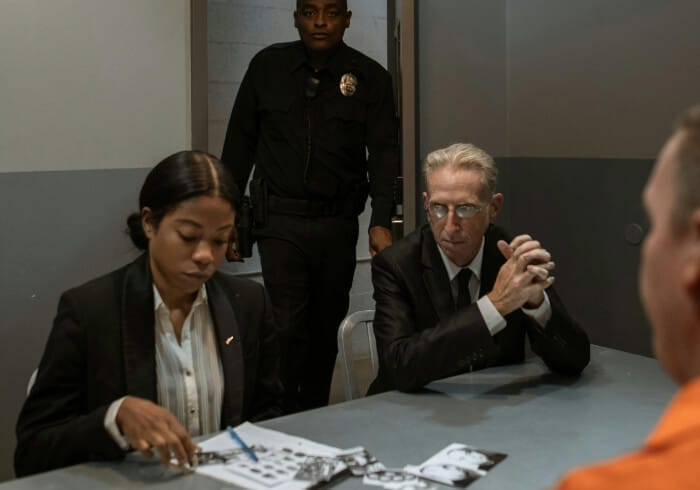
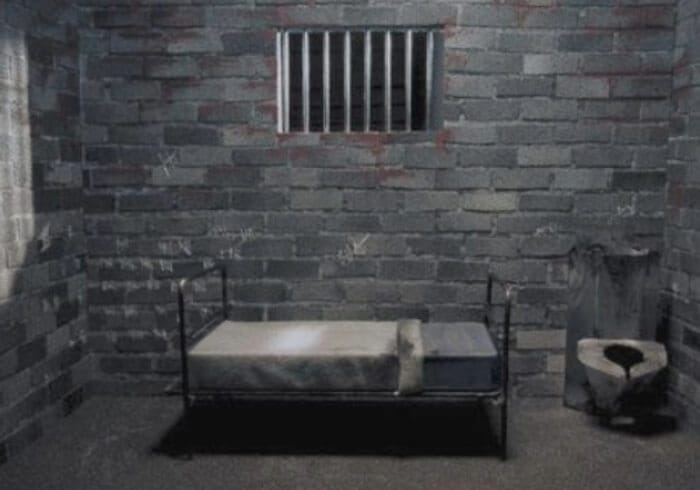
“I never imagined the end of us would be written, not in words, but in the echo of one gunshot.”
- Elmarie Heckroodt
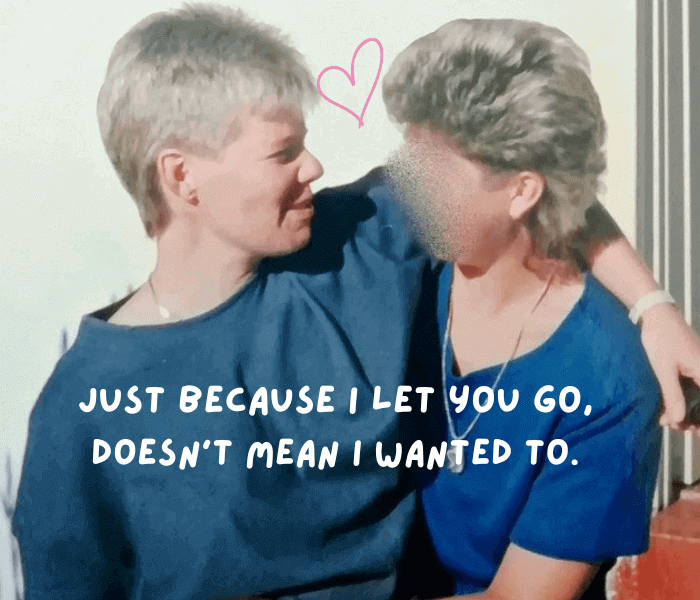
And that’s it for now… your voice makes the journey better! 💬 Comment below.

Author: Elmarie Heckroodt
Stay informed! A new chapter is released every week.
Your next chapter, "The Cell That Heard My Story - Part 9", will arrive in your email next week.
Keep an eye on your inbox so you don’t miss it.
© 2025 Elmarie Heckroodt. All Rights Reserved.