
Kegan – A Special Boy Who Will Remain In My Heart Forever - Part 5
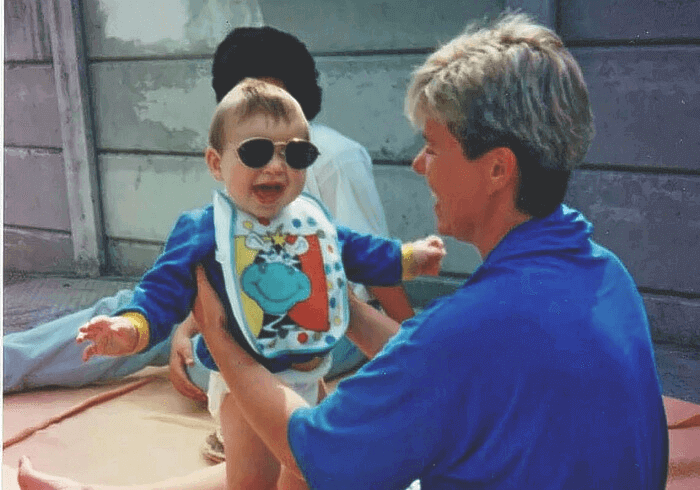
"I loved you like there was no tomorrow…and then one day, there wasn’t."
- Author unknown
The memories I have of us are beautiful, but you are no longer a part of my life, and that makes the longing very painful, sometimes unbearable. It’s the kind of pain that creeps in quietly at first, like a shadow stretching across a sunlit room, only to grow heavier with each passing moment. I catch myself smiling at the smallest thought of you, then immediately feel a hollow ache in my chest because I cannot reach out, cannot touch, cannot speak your name without remembering that absence.
The gift of love cannot be bought, yet it is the most valuable thing I have ever known. And it’s comforting, in a small way, to know that we had it once, even if only for a fleeting moment in time. Even though it lasted just two years, one month, and four days, at least we had the privilege of experiencing and sharing this heavenly love. I often tell myself that, but still, the empty spaces remain.
You gave me all the love you could, every ounce of your heart, and I believed it would last forever. How foolish I was to think love could be so permanent in a world that moves and changes without notice.
The abruptness of your mother’s words on the day she ended everything has left me with questions I will never fully understand. Even now, decades later, I feel the sting of that moment as vividly as if it happened yesterday. My tears continue, and I imagine they will continue until infinity reaches a standstill, and so will my feelings for you.
I will always miss you, in one way or another, and my thoughts about you and what we shared will never end, because no one could ever take your place. Deep in my heart, I will always cherish a memory of you. You are someone very special, someone I will never forget.
I sometimes close my eyes and picture the curve of your smile, the sound of your laughter, the way your hand felt in mine. When I’m sad, lonely, and wondering where you are or what you are doing, I ask my Heavenly Father to dry my tears, ease my heartache, and give me the strength to carry on.
But sometimes, I do not feel strong. Sometimes, I feel utterly powerless against the tide of longing that rises unbidden inside me.
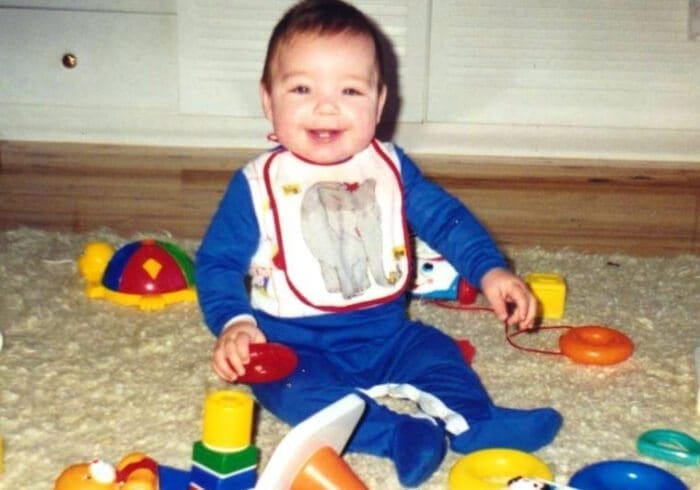
I had no time to hug you one last time or even say goodbye, and the sense of loss, even twenty-eight years later, is constant and very painful. It feels as if life itself no longer has the same meaning. The sense of “I belong” is gone.
I remember wandering through rooms of my own home, searching for traces of you, searching for the echoes of what we had, and finding nothing but shadows. Even the air seems thinner without your presence.
Many times, the weight of missing you hits me completely by surprise, out of nowhere. I could be walking down a street, laughing with a friend, enjoying the warmth of the sun, and then suddenly, it hits. A wave of grief, sharp and relentless, washes over me, leaving me breathless, dizzy, hollow.
I have learned to brace for it, to take deep breaths and let it pass, but the ache never fully disappears. The saddest part is that I know I have to accept that you are no longer part of my life, but damn, it’s so difficult at times. The mind can rationalize, can reason, can remind me that life must go on, yet the heart refuses to yield.
Maybe the intensity of my feelings for you will naturally wax and wane over time, but the sense of protectiveness and love will always be there. It is as if a piece of my soul will forever walk alongside yours, unseen, silent, loyal.
Even when life’s chaos threatens to pull me in every direction, even when new experiences come, even when years pass, that part of me that belongs to you will remain.
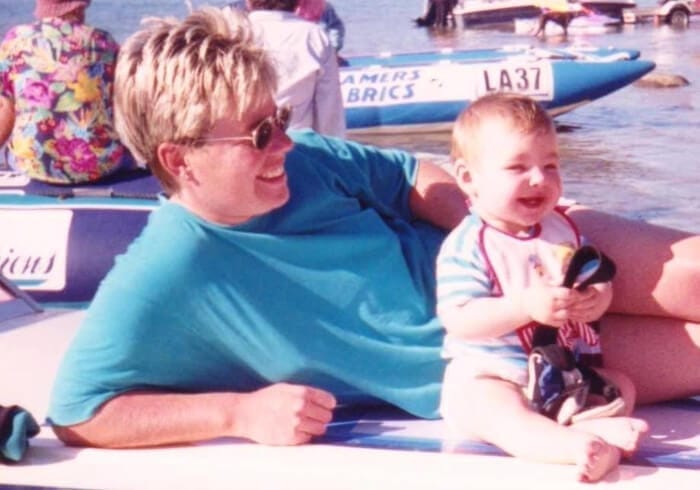
Your mother and I were deeply in love when we began discussing the idea of having our own baby. It was more than a casual conversation; it was a shared dream, a vision of a life that could be ours. We spent countless hours talking about it, researching, and questioning whether it was the right thing to do to bring a child into this world. Each discussion felt like we were standing on the edge of something monumental, something that required both courage and humility.
We worried about so many things: would our child grow up in a home with gay parents and be accepted? Would classmates bully or mock you? Would the world ever understand that the love we had was genuine, pure, and strong enough to raise a child?
These worries consumed us at times, stealing our sleep, filling quiet nights with whispered fears and tentative dreams.


We bought books on "How to Become Parents" and "How to Raise Your Newborn Baby", and searched online for guidance on gay parenting, though resources were scarce at the time. The hours we spent reading, comparing notes, discussing possibilities, and imagining our child’s life are forever etched into my memory. Every detail, no matter how small, mattered. Names, temperaments, hopes, values; they all became part of our conversations, a testament to our desire to give this child the very best.
For a long time, we weighed every doubt, every worry. We questioned ourselves and our choices. Would we be enough? Would we protect our child from the pain and cruelty we had known? Could we give this child a home full of love, guidance, and strength in a world that is often unkind?
Looking back now, those fears seem small compared to the hope and love I still feel for you. Seeing your photos on Instagram, after you blocked me on Facebook, the only dream I cling to is that one day, maybe just one day, you will come to me so I can ask for your forgiveness. That hope flickers like a candle in the wind, fragile yet stubborn, refusing to die out completely.
We drew up a list of the qualities we hoped our child would have. And then we began searching for a suitable man to help us bring this dream to life. The man we chose would never know that your mother’s only intention was to become pregnant; that he was being used to create life, not love.
Every step of this process weighed heavily on our hearts. It was calculated, deliberate, and emotional because creating life was never something to be taken lightly.
The first candidate was a blond man, divorced, handsome, with icy blue eyes. He owned the lawnmower sales and repair shop in town, right next to the Superette we owned. He was well-spoken, seemed intelligent, and had a mischievous smile that could attract anyone. We agreed that he would make a beautiful baby.
Your mother began bringing him sandwiches and cold drinks during his lunch hour, staying to chat about anything and everything. I remember watching her return from those visits, the tension etched on her face, her eyes carrying both hope and dread.
After about a month of getting to know him, your mother realized he wasn’t the right choice. When I asked why, she told me he had admitted to being an alcoholic, and she didn’t want to pass that down to our child. She stopped seeing him before they ever slept together.
Your mother was dreading this part. The thought of having sex with a man made her feel sick and overwhelmed with emotion. She said it felt as if she were betraying me. And I understood it deeply. I understood the emotional impossibility, the quiet torment, the internal war she waged in her heart. I reassured her, holding her hands, looking into her eyes, telling her that she had to focus on the baby we were going to raise as our own. That this baby would know love, safety, and care; things we both knew all too well could be stolen away from a child.
Then your father came along. He was a work colleague of mine, married, yet unable to resist the attention of other women. We decided he would be the one to sleep with your mother. We agreed on the fact that he was handsome, hardworking, intelligent, and had a great sense of humor; traits we wanted our child to inherit. His family medical history was healthy, and he had been a good father to his own children. In our eyes, he ticked all the boxes, but he had no idea what our plan truly was.
For two months, I carefully took your mother’s temperature, monitoring her cycles, checking when she was fertile before she slept with him. She fooled him into thinking she wanted to become straight. She told him our relationship had ended and assured him not to worry about me “catching” them. Everything was calculated, precise, and painful in its own way, because even in planning for life, hearts can ache.
Approximately 2 weeks after the last time they had sex, your mother was lying back in the bath, her body hidden beneath soft peaks of foam. Her face calm, almost dreamlike, eyes half-closed as if she has surrendered the weight of the day to the embrace of the water. A faint smile lingered on her lips, and the glow of the lightbulb outlined her perfect body against the white of the foam. I stepped into the bathroom with caution, afraid that even the sound of my movement might disturb her peace.
I hesitated for a moment, not wanting to intrude, not wanting to stir the peace she has found. My eyes gently observed her breasts, and then I saw it.
Finally, I moved closer and lowered myself onto the edge of the tub. She stirred slightly, her eyes opening just enough to meet mine. In that silent exchange, I felt her acceptance, no words needed, no explanations required. Just her, resting in her haven, and me, allowed to be part of it. My eyes diverted back to her breasts.
For the second time, I noticed it, something “different” on her breasts, something that caught my breath in my chest and made my heart leap. Just above her nipples on each breast were dark blue-purple, prominent, vein-like lines, like little maps etched on delicate skin.
In an over-excited, almost childish tone, I said, “Look,” pointing at her breasts. “Look at those veins on your breasts!”
She gently touched her breast, her fingers tracing the lines softly, and looked up at me with eyes that reflected a mixture of surprise, worry, and hope. “They feel heavy and swollen,” she said, her voice calm but carrying an undercurrent of emotion I couldn’t yet name.
I hesitated, then asked if I could touch them. Reaching forward, I gently rubbed over her breasts, careful not to hurt her, careful not to break the fragile bubble of anticipation that seemed to hang between us. She told me they felt tender to the touch, and at that moment, a surge of certainty shot through me.
I jumped up from the edge of the bath, spinning around, jumping up and down like a child unwrapping a long-awaited gift. “Do you have any idea what this means?” I shouted before she could even respond. And then, almost too loudly for the quiet bathroom, I said, “You are pregnant! We are going to have a baby!”
Her voice was small, hesitant, almost trembling. “Are you sure?” I could barely contain my excitement. I nodded vigorously, a smile spreading across my face so wide it felt as if it would wrap around my entire head. There was no room for doubt. This was real. This was happening.
“Are you sure?” she asked again, voice almost inaudible and fragile.”Yes! My grin stretched from ear to ear, my heart pounding as if it would leap out of my chest. In that moment, the world shrank to just the two of us, the bath, and the unimaginable reality of new life forming between us. The intensity of it was almost too much to bear, and yet it was beautiful in a way words could hardly capture.


Once we confirmed that your mother was pregnant, she told your father about the pregnancy. She made it very clear: she never wanted to see him again, and he would never have a role in the child’s life. Should he attempt to contact the baby in any way, she would reveal the truth to his wife about the child conceived out of wedlock. She also told him that I was fully aware of everything and that he had only been needed as a means to an end. The “relationship” ended immediately, and he was barred from ever entering our lives. Your mother had only slept with him twice before conception, and yet the burden of that small act carried so much weight.
We were overjoyed. Finally, the dream of having a baby, our baby, was real. Soon, your mother knew she had to put an end to your father's continuous visits to our house, knowing full well what he wanted. She decided to tell him the truth, that she had tricked him into making her pregnant, and that I was fully aware of everything. He had only been needed as a means to an end.
At first, your father was shocked, dumbstruck, and pale. A few deep breaths later, his anger erupted. He accused your mother, shouting, “How could you?” I can still hear it in my mind. He was furious, and honestly, I would have been too. But your mother remained calm, sorrowful, and firm. She said she was sorry, emphasizing that we wanted nothing from him. We didn’t want him in our lives, and we certainly didn’t want him to have any contact with the baby.
He tried to twist the story, claiming he had been the victim. I looked him in the eyes, my voice steady, unwavering: “Bullshit. You knew exactly what you were doing. What was just another selfish act of pleasure and lust for you was hell for both Lizette and me. How can you claim to be a victim when you cheated on your wife? Lizette and I are lovers, and I love her. I will be a part of this child’s life, and I will support her all the way.”
He argued, trying to corner me with his reasoning: “A child needs a mother AND a father in their life. That child has a right to know their father.”
I didn’t flinch. “This is NOT debatable. There is NO agreement, and there never will be. Leave now, go back to your family, your wife, your children, and leave us in peace,” I said, my tone impatient but resolute.
He tried again, his voice almost pathetic, desperate: “How cruel and sad it is to give birth to a baby and willingly deny him or her access to their biological father. With your stubborn decision, you are denying the child the chance to know their grandparents.”
I straightened, proud, protective, unwavering: “He will have grandparents. Lizette’s parents and my parents will be his grandparents. He will have love, guidance, and family, and that is all that matters.”
Soon, I noticed the changes in her behavior. Her hormone levels were clearly shifting, and with them, her moods, her energy, her very essence seemed to transform. She complained often about feeling tired, about needing to lie down for a while, and yet, there was a quiet joy underneath the fatigue, a growing awareness that life inside her was changing everything.
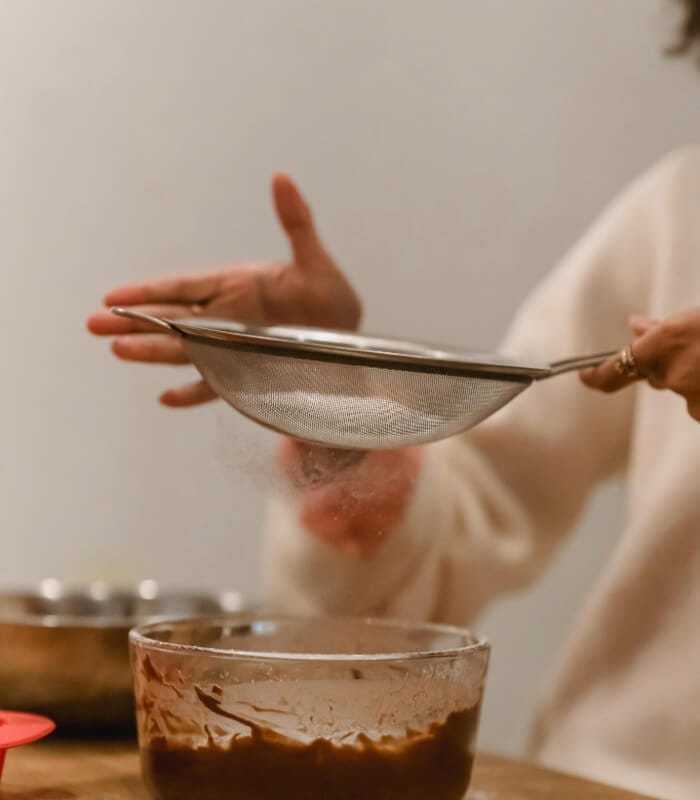
Then came the morning sickness, and mood swings appeared with little warning, swinging from joy to irritation, to sudden tears of inexplicable emotion. And oh, the cravings. Her cravings were intense and specific, almost comically so. Chocolate cake became an obsession. Chocolate cake for breakfast, lunch, and supper became a ritual, a daily insistence she could not ignore. From that moment on, I realized that no education or all the knowledge about pregnancy could prepare me for this. Her body became a map of subtle, miraculous changes.
I remember one night, at 2 a.m., she woke me with a desperate whisper. “I need chocolate cake. There’s none in the house. You have to bake one, now.”
I rubbed my eyes, trying to ignore the absurdity, but deep down I knew there was no ignoring it. This was bigger than inconvenience; this was part of our shared journey. I thought, “Well, this is it… I’m in this just as much as she is, so I guess I have to bake that cake.” And I did. Two o'clock in the morning, flour dusting my hands, chocolate smeared across the counter, yet somehow feeling like the most natural thing I could do. But, from then on, I ensured that there was always a chocolate cake available, purchased from the Spar down the road, just in case, because I hate baking.

Throughout the pregnancy, I had no idea what to expect. Every day brought a mixture of excitement and anxiety that felt almost too intense for my mind to hold. I knew there was a tiny body growing inside her, but the reality of it was still almost incomprehensible. Each moment, each breath, each glance at her swelling belly made the world feel bigger, more alive, more delicate.
Excitement battled with anxiety, each day bringing a new sensation, a new surprise. I marveled at the tiny being growing inside her, imagining little arms and legs, tiny fingers and toes, and a heart beating rapidly in that small, protected space. Every flutter and movement was a reminder that life, delicate and precious, was forming through our love.
Every night, I spoke or read to you, even before you could hear, and even before you could respond. I began speaking to you every night, reading, whispering, and sometimes just singing softly, convinced that babies could hear voices before birth and would recognize them. I had read that babies can recognize voices in the womb, that they respond to rhythm and tone. I wrapped my stereo headphones around your mother’s stomach and played songs for you, one in particular, "Going Back West" by Boney M. I felt a sense of pride and wonder as the vibrations traveled through her body to yours. The concept seemed almost magical, the idea that you could feel me even before we met, that you could hear the sound of my voice before taking your first breath.
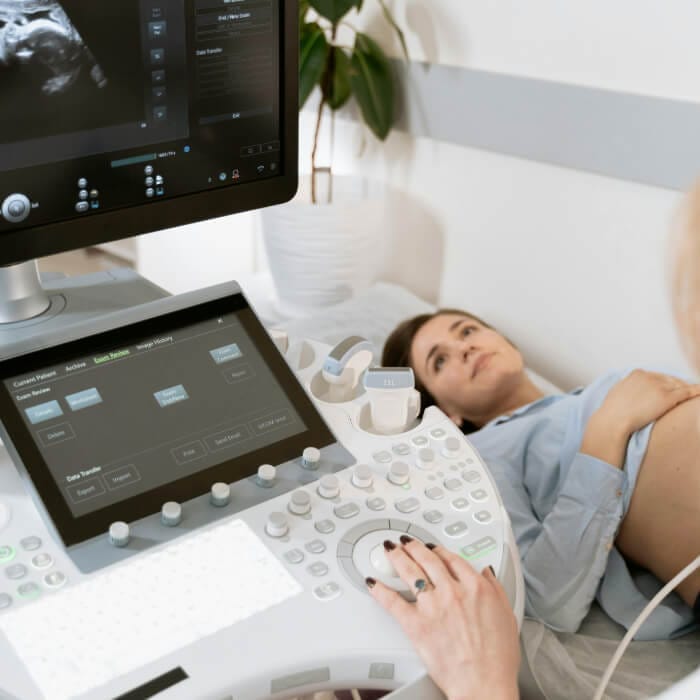
The ultrasound at around fifteen weeks revealed another layer of reality.
Watching the monitor, seeing your tiny heartbeat flicker on the screen, I felt butterflies; an overwhelming mix of excitement, fear, and disbelief. We were going to have a baby. We knew it, but seeing it, seeing you, made it real in a way no words could ever capture. Seeing your tiny heart flicker on the monitor was like witnessing a miracle I had only ever dreamed of.
Your mother’s hand squeezed mine, and I felt a rush of emotion I can’t describe: awe, fear, excitement, and profound love all mixed together. I remember the butterflies in my stomach, a mixture of joy and nerves. This was real. And yet, the responsibility and weight of that reality pressed down on me, thrilling and terrifying all at once. Even with the joy, we could not ignore the future. We often discussed what we would tell you about your conception when you were old enough. Would you understand the difficult choices we had made? Your mother and I agreed that we would explain that you had been conceived through a sperm donor, leaving out the painful details. It was a delicate balance: protecting you while acknowledging the extraordinary nature of your arrival.
We also knew that the world outside would have questions. People would wonder, inevitably, how you came to be. We would stick to our story and say that you were conceived from a sperm donor through artificial insemination, and not go into detail. The explanation felt simple, neat, protective. But we knew the truth weighed differently in our hearts.
Some people were shocked when they learned of what we had done. Reactions varied: shock, disbelief, judgment, but none of that could touch the depth of our connection to you. It wasn’t easy for either of us. I would never have allowed your mother to sleep with a man to get pregnant if there had been another choice, but our desire to have you was desperate and all-consuming.
In the quiet of our home, where small moments accumulated like treasures, we whispered to you, spoke softly about the life forming within, and marveled at the constant reminders of your presence: tiny kicks, movements, and sudden shifts. These were miracles we could feel, touch, and almost see through the gentle ripples underneath your mother’s skin.
The pregnancy advanced steadily, each stage bringing new surprises and emotions. Her movements became more deliberate, her growing belly a tangible reminder of the life she carried. I often sat beside her, resting my hand lightly on her stomach, feeling your tiny movements as if they were pulses of connection directly to me. We laughed together when you kicked unexpectedly, cried together when the reality of what we had achieved overwhelmed us, and held each other silently in awe of the love and responsibility growing between us.

Yes, we regretted tricking a man into getting your mother pregnant. There was no denying it. The third attempt at artificial insemination had failed, and we were out of options. The desperation that drove us was real, raw, and unyielding. And yet, even acknowledging that, there was an undercurrent of guilt, a quiet echo of conscience that reminded us of the choices we had made.
Every now and then, we wondered what would happen if you ever found out the truth. Would you question why you had no father? Would you feel the absence more sharply knowing the circumstances of your conception? We wrestled with the morality, the fairness, the impact of our actions. Did we act selfishly? Could we have allowed your father to know you, to meet you?
Every time, the answer circled back to the same place: there was no justification. What we had done was deliberate, and we would carry that knowledge for the rest of our lives.
Yet, alongside the guilt, there was awe. The embryo formed, a tiny, fragile human with arms, legs, a face, tiny fingers and toes, and yes, “Mr. Willy.” I would stare at the monitor, at the heartbeat, tears running down my face, overwhelmed by the miracle of life and the depth of love I already felt for you. Each day became a blur of anticipation, wonder, and nervous excitement.
By 24 weeks, everything became a whirlwind. By week thirty-nine, the first contractions began. I didn’t know when your mother’s water broke, but once the contractions started, there was no hesitation. The rush to the hospital, ten minutes away, was both terrifying and exhilarating.
I gripped the steering wheel tightly, eyes flicking between the road and her, heart pounding in rhythm with the growing intensity of her contractions. Everything inside me screamed urgency, but I forced myself to remain calm, preparing to support your mother through every agonizing second.
Time became irrelevant. Hours merged into one long, continuous stream of anticipation, excitement, pain, and devotion. Every heartbeat, every breath, every tremor of her body reminded me why this moment mattered above all else. The small life growing inside her had changed everything: our routines, our priorities, our hearts. We were no longer just two people in love; we were guardians of something miraculous, fragile, and eternal.
Even now, recalling those moments, I can feel the intensity of every heartbeat, the weight of every second, the permanence of the love that began in that bathtub, in the quiet hours of anticipation, and in every tender, anxious, thrilling moment leading up to the birth. I had never known love like this before; overwhelming, terrifying, exhilarating, and infinite.
At the hospital, I approached the receptionist, voice urgent, heart pounding. “My lover is in labor, pointing to Lizette, where she was curled up on a couch in the reception area. Where is the maternity ward?” “We need a doctor - now!” Her expression shifted from mild curiosity to disbelief and shock. “The husband must be present,” she said, stern, unyielding. I looked at her, incredulous. “My lover is carrying OUR child,” I said, voice rising, eyes flashing with both fear and determination. “I will be at her side during the birth. Which part of that don’t you understand?”
Her lips tightened. Her stare hardened. And then I lost all patience. “Fuck the hospital rules. Fuck your old conservative and homophobic opinion! Get the hospital superintendent…NOW!, or I promise you, you and your hospital will be on the front page of every newspaper in the country tomorrow!”
In 1994, same-sex relationships were still stigmatized in most parts of the world, and legal recognition of same-sex couples was rare. I remember the sting of that day as if it were carved into my skin. I took a deep breath to contain my anger and repeated: “My partner is in labor, the woman I love, the one whose hand I had held through every appointment, every moment of nausea, every moment of fear. She wants me beside her, and I am determined to be there.
But the receptionist’s eyes told me otherwise, and with tight, stiffened lips, the words hissed through her teeth: “I told you only husbands are allowed in the delivery room,” her voice clipped, almost rehearsed, as if she had said those same words a thousand times before.
I swallowed hard. “I’m not her husband. I’m her partner. She asked for me. She needs me in there.”
Her face hardened, and she leaned back in her chair as though my very presence was offensive. “Partner isn’t on the list. Husband or immediate family. That’s policy.”
"Partner" isn’t on the list. Those words cut deep. As if the love I gave, the devotion I lived, meant nothing. As if the months I spent preparing for this child weren’t real, because the law refused to see me. “She doesn’t want her family,” I said, my voice trembling now. “She wants me. I’m the one who knows how to calm her, I’m the one who’s been here through all of it... please.”
The receptionist shook her head. “I’m sorry. Rules are rules. You’ll have to wait outside.”
My chest burned with anger. Wait outside? While my partner faced the most vulnerable, terrifying moment of her life. Wait outside like some stranger, when I was the one she trusted more than anyone?
I was about to argue again when a doctor walked by, catching the tension in the air. He stopped, looking at us both. “What’s the problem here?”
I turned to him, desperate, my words tumbling out. “My partner is in labor. She asked for me. But I’m being told I can’t go in because I’m not her husband.”
The receptionist jumped in quickly, her tone defensive. “It’s hospital policy, Doctor. Only legal spouses or family members are allowed.” The doctor paused. His eyes softened, and for a moment I saw something rare in that sterile hallway: humanity.
“Our first duty,” he said quietly but firmly, “is to the patient. If she wants her partner, then her partner goes in. That’s what matters.”
The receptionist’s lips tightened. “But Doctor, the rules...”
“Sometimes compassion outweighs paperwork,” he interrupted, his voice sharper now. “This woman is giving birth. She deserves comfort, not loneliness. Please, escort her in.”
Tears burned my eyes. The fight drained out of me in an instant, replaced by gratitude so overwhelming it made my knees weak. I whispered, “Thank you… Thank you so much.”
The doctor gave me a small, knowing smile. “Go. Be with her. That’s where you belong.”
And I went, my heart still pounding with the echo of the receptionist’s rejection, but also lifted by the quiet courage of a man who, for a moment, chose love over rules. I placed a comforting arm around her shoulders and asked her to hang in there, that the doctor is on his way. My relief of knowing I will be able to see our son brought into the world was just as intense as her pain.
Minutes later, a man in green scrubs arrived. Tall, sun-tanned, blue eyes like the ocean, calm but alert. I wondered, fleetingly, what he would think of the chaos that unfolded. Would he understand? Would he judge? I barely had time to think, because your mother was still waiting, early in labor, her face pale with discomfort and anticipation.
I repeated everything, my voice steady but urgent. The doctor looked at her, then at me, and gestured for us to follow him to the maternity ward. I didn’t look back at the receptionist. I didn’t care about their opinions. All that mattered was your mother, the life growing inside her, and the love that bound us together.
The nurses stared openly, some with disgust, some with false smiles, others whispering behind their hands as we passed. I ignored them all. Your mother was guided to a tiny room with one bed, given a gown, and told to prepare. I quietly approached, held her hand, and whispered that I would be there all the way, that everything would be okay.
In moments like that, when someone I love is in pain, I change. Flight-or-fight mode kicks in, adrenaline sharpens every sense. My brain flashed red alert, yet I remained strangely controlled, frozen in focus. As her contractions grew, I rubbed her back, every muscle in my arms burning from exertion, following her cues as she urged, “Harder, harder!”
I calmly suggested that she lie down, but she refused. I could feel her tension, her frustration, her discomfort, and my heart broke with hers. Words of encouragement fell from my lips, low and steady, but sometimes even that was not enough. Sometimes, she wanted only the contraction, the pain, the inevitability of it, and I felt helpless.
Every sensation, every heartbeat, every breath was magnified. I could feel her fear and strength in equal measure, and I knew, just knew, that I would never abandon her, that I would endure whatever came with her.
When you were born, your mother had already been in labor for more than twenty-one long and exhausting hours. We had expected pain, yes, but not this much. We had expected struggle, yes, but not this kind of battle. Despite all our preparation, nothing could have prepared us for what that day demanded of us.
Earlier, the doctors had decided to use induction, hoping it would move things along. Induction is a medical process where labor is deliberately started with the help of medication. It is usually done when natural labor is delayed or when doctors believe it’s safer for the baby to be born sooner. The purpose of induction is to “ripen” the cervix, softening and opening it, and to stimulate contractions strong enough to bring the baby down naturally. In many cases, induction spares the mother from further medical interventions. At the time, I clung to the hope that this would be our path, that the induction would work, and that oxytocin and other interventions wouldn’t even be necessary.
For nine months, we had envisioned a normal birth. We painted that picture in our minds; your mother holding you against her chest while I stood by, overwhelmed, maybe even crying from joy. But after twenty-one hours of painful contractions, reality was far harsher than what we had prepared for. I watched helplessly as exhaustion drained every ounce of strength from your mother’s body. She had fought so bravely through the night, clenching her fists, biting her lip, saying she could manage. But in her eyes, I could see the truth: the pain was beyond her, stealing her breath and swallowing her courage.
Finally, in a whisper that broke my heart, she admitted she couldn’t bear it any longer. The doctors suggested an epidural. I had heard the word before, but that day, it became personal.
An epidural is an injection placed into the lower back that numbs the body from the waist down. It does not take away the experience of childbirth, but it eases the unbearable pain of contractions, allowing the mother to rest and regain some strength. For her, it was not surrender; it was survival.
And just when she found some small relief from that torment, everything changed. The surgeon entered the room, his tone urgent, his eyes sharp with concern. He told us that the induction had failed. You had shifted into a breech position, your tiny body turned in a way that made a natural birth impossible. Worse still, you were showing signs of distress.
An emergency cesarean was no longer a possibility; it was a necessity. I froze. The words “emergency” and “complications” echoed through my head, clawing at my peace of mind. The surgeon explained that when induction fails after such a long labor, the risks increase; risks for the mother, and risks for the baby. My thoughts spun in a storm of “what ifs.” What if something went horribly wrong? What if you came into this world with a disability or a disorder caused by distress? What if your mother slipped into a coma from blood loss or anesthesia? My chest tightened with a fear so raw I could barely breathe.
And yet, I also knew this was beyond my control. I prayed silently, begging God to spare both of you. The weight of helplessness was crushing.
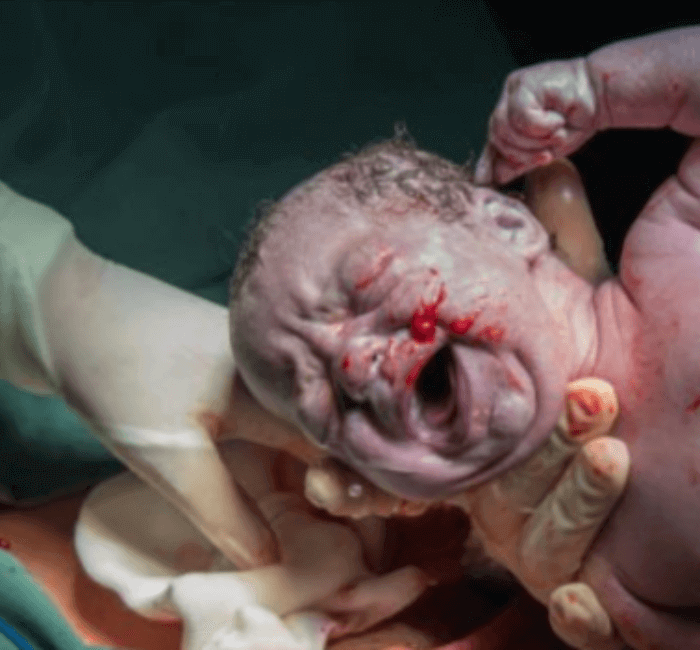
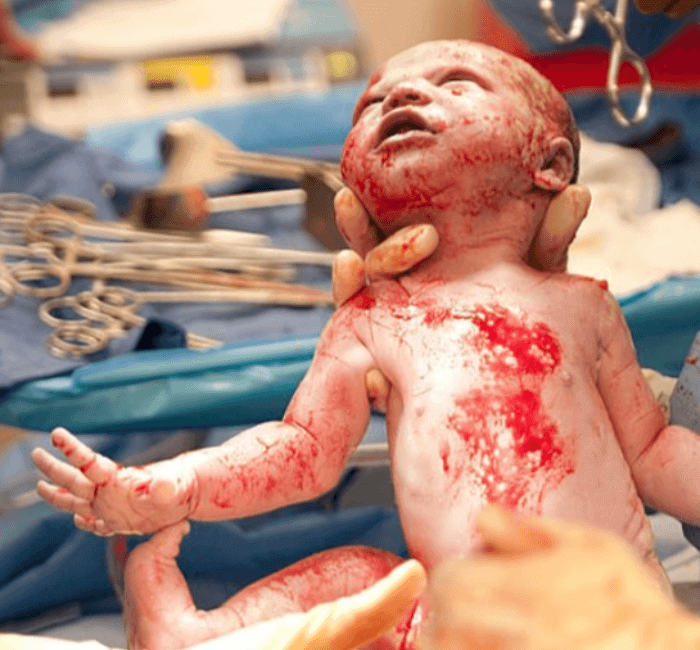
Miraculously, they allowed me into the operating theatre. Not everybody gets that chance, especially in an emergency. But I was there, standing behind the sterile curtain, as the surgeon made the incision that would change my life forever. I watched, transfixed, as you were lifted out of your mother’s womb, covered in blood and fluid, still and silent. In that instant, the world seemed to stop.
The bond I felt with you started the very first second my eyes met your pink, wrinkled, tiny body. To be completely honest, you were not what I had imagined a newborn baby would look like. You were wrinkled, messy, and covered in muck. And yet, in my eyes, you were perfect. You were mine.
For a terrifying moment, you made no sound. No cry, no movement, just silence. My heart dropped into a dark pit. “Oh my God,” I pleaded inside my head, “please help my little boy. Just bring him to life.” Those few seconds felt like an eternity. And then, you cried. That sharp, desperate cry pierced through the theatre like a miracle. “Thank you, Lord,” I whispered, tears burning my eyes.
I remember staggering back a little, gasping for air, my entire body trembling. The hairs on the back of my neck stood on end as though touched by something holy. In that moment, I could swear I had seen the hand of God reach down from heaven itself, breathing life into your tiny body. A rush of emotions tore through me, love so fierce it scared me, pride so heavy it bent my knees, and relief so powerful I thought I might collapse.
It was nothing like what I had been told by friends, books, or classes. It was so much more. Time vanished. The world dissolved. All that existed was you. I was consumed by a radiance of selfless love and devotion that knew no bounds.
It was three minutes past seven on the morning of December 21st, 1994. A date that would forever divide my life into before and after. The doctor turned to me, smiling under his mask, and handed you over. “Congratulations, you have a son,” he said. Then he asked if I wanted to hold you.
“Would I?” I thought, almost laughing in disbelief. “What kind of question is that?”
When you were placed into my arms, a shock went through me like an electrical current. My whole body quivered, every nerve alive. And in that instant, I understood why people call a newborn a “bundle of joy.” Because that is exactly what you were: joy wrapped in fragile skin, joy pulsing with life against my chest.
I was shaking with excitement, so unsure how to hold you, terrified I might do something wrong. I only knew one thing: I had to support your head. That fragile little head that carried your entire being. So I cradled you carefully, awkwardly, but with a devotion so deep it stunned me.
And then, for a few moments, the world fell completely silent. No sound. No chaos. Not even the exhaustion was weighing down my body. Only you. Only the weight of you in my arms, the steady rhythm of your heartbeat against my palm, and the realization that I was forever changed.
During the months leading up to your birth, I thought I had it all figured out. I believed that, because I was aware of my emotions, I would be able to imagine how it would feel to hold you for the first time. I rehearsed it in my mind again and again: how I would look down at you, how I would smile, maybe even cry, how I would whisper promises into your tiny ears. But I was wrong. I could not have been more wrong.
You cannot prepare for that moment. You cannot even begin to imagine the flood of emotions that comes when you finally hold your child in your arms. No matter how much you think you know yourself, nothing equips you for that lightning strike to the heart. It is not just an experience, it is a transformation. And once it happens, nothing in life will ever equal or surpass that feeling.
There was something extraordinary I noticed the very first time I held you. Something that made my knees weak and my heart feel like it might burst out of my chest. You were a miracle, not just in the way all babies are called miracles, but in a way that made me feel I was touching something divine. You were perfect, untouched, as if molded by hands far greater than ours.
As I gazed down at you, I saw the vulnerability in your eyes, eyes that seemed so open, so innocent, so completely dependent on me. My heart crumbled in that instant. Every core of my being was touched, shaken, and softened all at once. A strange numbness spread through me, not from fear or shock, but from the sheer intensity of emotions that had no words. This was the only time in my entire life that I was left utterly speechless, unable to capture what I was feeling.
And yet, even without words, the truth was clear: I was holding a tiny person in my arms. Not just a baby, but an extension of something beyond our limited human understanding. You were more than flesh and bone; you were a reflection of eternity, proof that life continues and evolves beyond our temporary stay on earth. From that moment, I knew you would rely on your mother and me to guide you, to prepare you for life, to give you the strength and skills you would need to survive in this often cruel and unkind world. That responsibility pressed against my chest with the same weight as your tiny body.
Seeing life born in such a pure, unspoiled form is breathtaking. Holding you, I realized in a way I never had before, just how Almighty God is. I wasn’t looking at an idea or a belief; I was looking at evidence in flesh and blood. You were the proof of His hand at work, a little being still untouched by the ugliness of the world: untouched by cruelty, selfishness, and pain. For those first moments, you were perfect purity, and it stunned me.
A million thoughts raced through my head, tumbling over one another so fast I couldn’t catch them all. But one thought stood firm, burning in me with crystal clarity: you are mine. It was overwhelming. It felt as if my heart had stepped outside my body and now lay defenseless in my arms, throbbing, naked, exposed. And with that came a fierce instinct: I had to protect you, provide for you, and love you with everything in me for as long as I live.
I stared at your face, perfectly shaped, every detail etched in my memory, and felt your tiny hand wrap around one of my fingers. That grip, so small and fragile, carried more power than anything I had ever known. In that instant, my entire past and my entire future collided in a sudden, explosive realization: my life would never, could never, be the same again.
No words in any dictionary, no matter how thick, could capture the force of that moment. It was overwhelming. It was thrilling. It was terrifying. And yet, it was the purest joy I had ever known. You were not biologically mine, but in every other way that mattered, you were mine. That truth rang in my heart with a clarity that still echoes today.
I know each parent’s experience is different. Your mother went through her own emotional journey, facing both the joy and the trauma of giving birth. But I had my own storm of feelings to weather. I was only thirty years old at the time, and perhaps too young, or maybe just too naïve, to grasp the full enormity of what had just happened. But when you were born, reality crashed into me with a force I couldn’t ignore: a new life had been created, and I was now responsible for it.
The weight of that realization was so great that I broke down. I cried, not out of weakness, but because the truth finally pierced me. For the first time in my life, everything became clear. For the first time, I belonged. I wasn’t drifting aimlessly anymore. I wasn’t searching for purpose in a broken world. My role was defined in a way no title, no job, no achievement could ever compare: I was your other mother.
That clarity gave me courage. It gave me strength. It filled me with meaning. For the first time, life made sense. I realized I had been given the greatest responsibility of all: to raise a child, to shape a human being, to love unconditionally even when it hurt.
Up until then, my world had felt cold, unfair, and confusing. I had grown up with dysfunction, with brokenness, with uncertainty about where I belonged. I had longed to start fresh, to build my own family, to rewrite my story. And in that moment, holding you, I knew I had taken my first true step toward that dream.
I cried as I whispered to you, “I will protect you forever. I won’t let anything happen to you. Even if you only have me, I will make sure you grow into a great person.” Maybe those words were as much for me as they were for you. Maybe I was trying to comfort myself, knowing how flawed and imperfect I was. I knew, even then, that I could never quite measure up to the parent my own mother had been to me. But I also knew this: I would never stop trying.
Because being a parent is the hardest, most relentless job anyone can take on. There are no manuals, no instructions, no guarantees. Just trial, error, and unconditional love. You were unique: there was no blueprint for raising you.
Nothing had prepared me for this role. Not the day I passed matric, not the pride of being approved for the army, not the achievement of joining the police force after my voluntary one-year army service, not even the joy of buying our first house or starting my relationship with your mother. All those milestones paled in comparison.
Because nothing, absolutely nothing, compares to the moment I saw you being born right in front of my eyes. That moment shattered everything I thought I knew about life and rebuilt me into someone new. That moment was, and will always be, the best moment of my life.
I loved your mother deeply. I was proud of her in a way I can hardly put into words. She had endured the long hours of labor, the induction, the exhaustion, and the pain. And when the moment finally arrived, she faced the terror of an emergency cesarean with strength that amazed me. My relief was overwhelming when I saw that she was safe, that you were safe, that somehow, after all the chaos and fear, everything had turned out well.
For a long moment, relief was the only thing I could feel. It washed over me in heavy waves, pulling all my emotions with it. Tears welled up in my eyes and spilled down my cheeks because the day we had waited for so long had finally come, and you were perfect.
But then, almost without warning, all the tension that had been building inside me erupted like a volcano. I broke. The fear I had carried, the silent prayers, the hours of dread; all of it poured out of me in a flood of tears. It was like every possible human emotion had decided to hit me all at once: joy, terror, relief, gratitude, exhaustion, love. I couldn’t hold it back. I didn’t want to.
While the doctor stitched up the incision from your mother’s cesarean, you were examined by another doctor. I watched, my heart pounding, as they checked your tiny body, making sure everything was right. Then the nurse pricked the sole of your foot for a blood sample. Your cry pierced me to the bone. It wasn’t just a cry; it was a raw, heart-wrenching scream that made me want to tear the world apart to protect you. For one reckless second, I wanted to grab the nurse by the throat, to stop the pain from touching you. Of course, I didn’t. I knew it was necessary. But inside, my heart cringed and twisted with every sound that came from your little lungs.
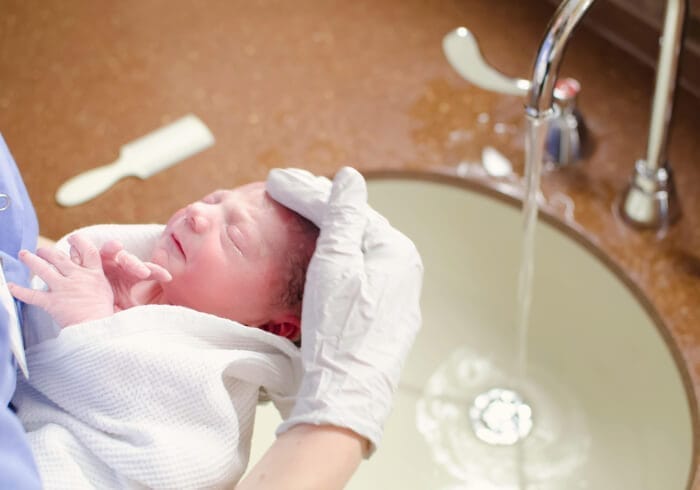
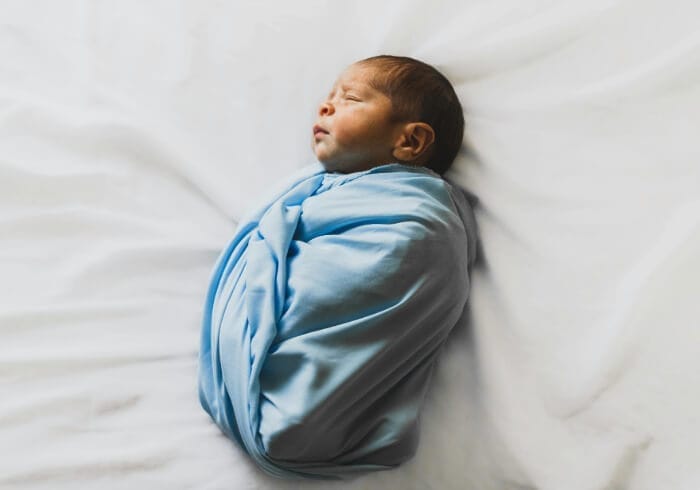
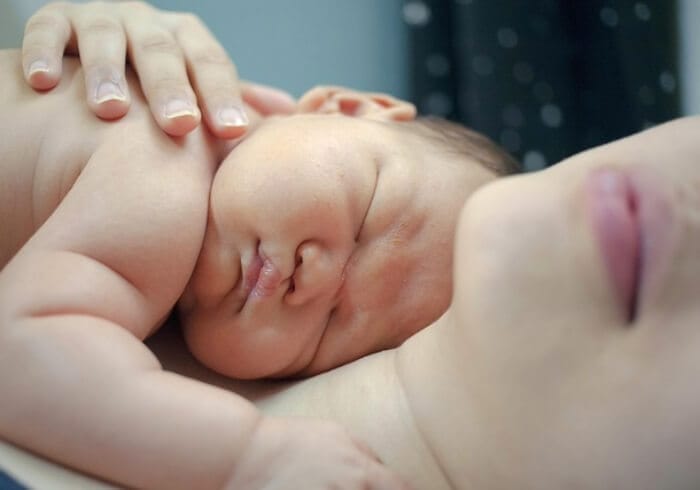
After that, they bathed you gently, rubbed your tiny body with oil, and showed me how to wrap you tightly so you would feel secure. I watched every step, terrified to forget a detail, desperate to do it right when it was my turn. I stayed by your side in the ward for what felt like ages, soaking in every sound, every movement, every breath.
Then suddenly it hit me. “Oh, shit, I forgot about your mother!” The thought shot through my head like lightning. I panicked, realizing I had been so caught up in you that I had left her alone. The nurses assured me they would bring you to her when you were ready, so I rushed to the recovery room.
There she was, tired, pale, drowsy, but conscious. I leaned down, and we held each other for the longest time. No words were needed. In that embrace, all the terror and exhaustion seemed to dissolve. We were just two people who had been through something immense, clinging to each other because we had made it to the other side.
Then, after what felt like forever, the nurses brought you to her. I stood at her bedside as she took you in her arms. It was one of the most emotional moments of my life. No words were spoken. She simply kissed you, held you against her, and looked at you with a tenderness that left me breathless. You were fine, you were healthy, and she was recovering. That moment was everything.
I had never been prouder. Not of myself, not of anything I had ever achieved—but of her, and of you. That day is carved into my memory in sharp detail. I remember every second, every heartbeat of it. I phoned my mother and your grandparents, my voice cracking with emotion as I shared the news. Even now, as I write these words, the same tears sting my eyes because I can still feel what I felt that morning. December 21st, 1994. A date that will never leave me.
It was magical. Like standing in the middle of a swirling tornado of emotions, struggling not to be swept away. I felt so proud it was almost unbearable, like my heart might burst from my chest. But at the same time, I was terrified. Larger than life, and yet so small all at once.

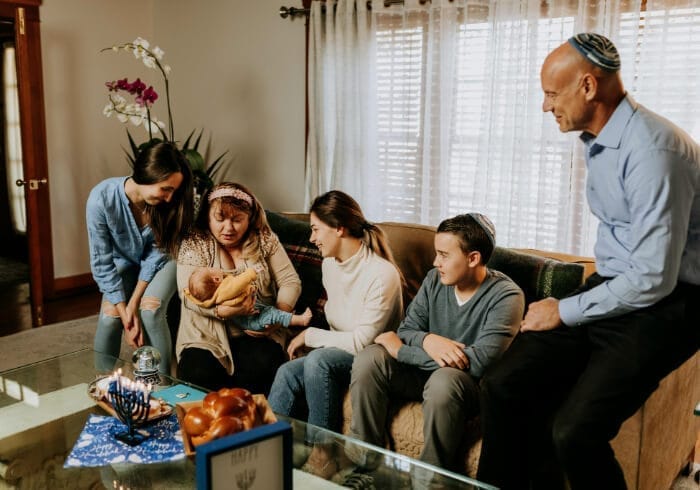
You and your mother were released from the hospital on Christmas Day, 1994. That day carried its own emotional weight. For most of the family, it was overwhelming; joy, pride, and celebration mixed with tension, awkward silences, and unspoken worries. My parents, my brothers and sisters, and your mother’s parents were there. Her twin brothers declined the invitation, and their absence cast a shadow that no one wanted to mention. Some people tried to fill the air with cheerful talk, while others sat stiff, their conflicting emotions hanging heavy in the room.
But my family? They were over the moon. My father pulled me aside, his eyes full of pride, or maybe I just wanted to see pride in his eyes, but also caution, when he said: “It’s the start of a new chapter for both of you, and the most forceful change possible for any couple. But don’t underestimate it. It’s a huge responsibility, a lifelong commitment. That little man, Kegan, will become the center of your world. Are you prepared for it?”
I smiled, trying to sound confident, and muffled a nervous chuckle, “Oh yes, Dad. We’re ready. This is what we wanted. It wasn’t an overnight decision. You know how much thought went into this, how much we researched. Regardless of how Lizette fell pregnant, this wasn’t something we rushed into.” I tried to reason that raising a child was nothing extraordinary, that billions of parents had done it before us. “If billions of people can raise children, we can too,” I said, putting on a brave face.
But inside, a single thought crossed my mind, sharp and terrifying: what if we are the ones who fail? What if we are two of the billions who screw up?
That thought scared me to my core. It rattled my confidence and left me trembling inside. But I didn’t dare let anyone see it. So I put on my mask, forced a smile, and quickly changed the subject. The only certainty I had at that stage was that Kegan would never be raised the way I was raised.
I pointed everyone toward the kitchen, where the tea, coffee, juice, and snacks were waiting. “Help yourselves,” I said brightly, hoping no one had noticed the flicker of fear in my eyes.
Because the truth was, behind all the smiles and all the pride, I was terrified. I knew I would love you. I knew I would protect you. But the question that haunted me was this: would that be enough?
Seated quietly, almost hidden away on the furthest couch, were your grandparents. They sat apart from the rest of the family, their faces stiff, their posture closed. While everyone else was caught up in the excitement of your arrival, they remained silent, offering not a single word of joy, not one smile, not even the smallest acknowledgment of the miracle that had just taken place. Their silence was deafening.
How could they not see you for what you were? How could they fail to recognize the sacredness of new life? A tiny, perfect human being had entered the world, and instead of celebrating, they chose to withhold their approval. Their refusal to embrace you wasn’t just hurtful, it was humiliating, especially for your mother. She had endured more than twenty-one hours of labor, the pain of induction, the surrender to an epidural, and finally the shock of an emergency cesarean. She had carried you, suffered for you, and brought you into the world. And yet, at her most vulnerable, she sat there feeling embarrassed, exposed, and unwanted in front of her own parents.
Their disapproval was not hidden; it hung in the room like a shadow. They believed firmly and stubbornly that a child should only be raised by a man and a woman, married to each other, bound in what they called a “proper” home. In their eyes, only such a union provided the male and female role models a child supposedly needed. Anything else, any deviation from their rigid idea of family, was branded unnatural and wrong.
They looked at us and saw not love, not commitment, not the determination to give you the best life possible, but only what they believed to be a sin. To them, a same-sex couple was unfit to be parents. They felt such relationships were unstable, that they lacked the strength or the wisdom to raise a child. They claimed that children raised in such homes would be at risk of “turning out” gay themselves, as if love between two people of the same sex was some disease that could be caught or inherited.
But the saddest, most disturbing part was the stigma they clung to, the poisonous lie that people like us were more likely to molest children, whether our own or others. To think that this thought lived in their minds while looking at us holding you was unbearable. Instead of seeing our love, they let themselves be blinded by prejudice. Instead of seeing the sacrifice your mother had just made, they let themselves be ruled by fear and ignorance.
Their greatest fear was that you would be humiliated, rejected, or bullied because of who your parents were. They convinced themselves they were protecting you by disapproving of us, when in reality, it was their rejection that inflicted the deepest wound. Instead of shielding you from the world’s cruelty, they were adding to it, layering shame on top of innocence.
They believed you would grow up in what they called an “immoral household”, surrounded by “immoral friends,” living an “immoral lifestyle.” Those were their words, during a prior telephone conversation between your mother and your grandparents. Heavy with judgment, sharp enough to cut. And as they sat there in silence, on Christmas day, their lack of warmth made those words echo even louder in my mind.
I remember glancing at your mother as she held you, her face pale not just from recovery but from the sting of their rejection. Her parents, the very people who should have been overflowing with joy, were making her feel ashamed of the most beautiful moment in her life. My chest ached for her. My anger boiled beneath my skin. I wanted to shout, to demand that they look at you and see you for who you were: pure, innocent, untouched by the world’s cruelty. But instead, they sat, stone-faced, trapped in their beliefs, blind to the miracle before them.
It broke me, because love should have been simple in that moment. It should have been the most natural thing in the world for grandparents to welcome their grandchild with open arms. But instead, they chose judgment over love, fear over acceptance, and silence over celebration.
And yet, even in the midst of their coldness, I made myself a silent promise: that you would never, ever feel unwanted. That no matter how others treated us, you would always know you were cherished. That no matter the stigma, the ignorance, or the rejection, you would grow up knowing love deeper and stronger than any prejudice could destroy.
Because the truth was undeniable, no matter what anyone believed, you were a miracle. A divine gift. A perfect soul brought into this world not by accident, not by mistake, but by love.
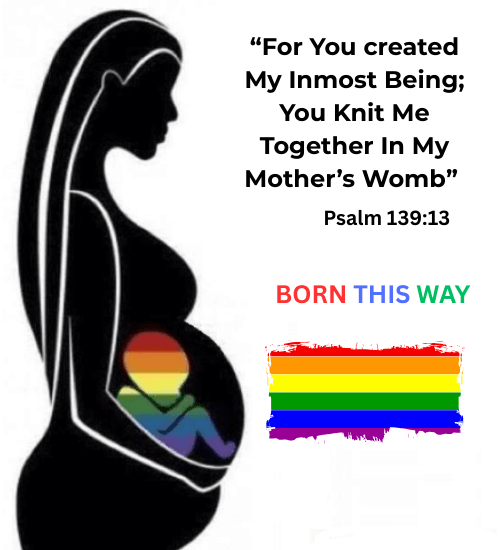
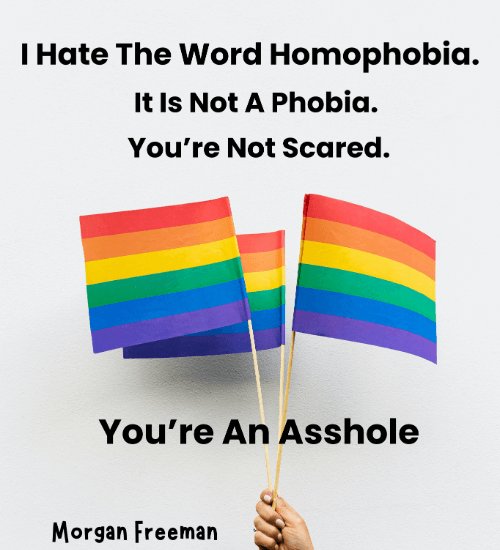
In 1994, same-sex parenting was still met with heavy skepticism, especially within conservative circles, both socially and biblically. At that time, many families, like your grandparents, held tightly to the belief that children could only thrive if raised in a home with a married mother and father. It was argued that two parents of the same sex could not provide the “balance” of male and female role models, and worse, that such households would create instability, immorality, and confusion for the child. The stigma of that era equated homosexuality with instability, perversion, and inevitably, failure in family life.
But what seemed “true” in 1994 was largely based on fear, prejudice, and a lack of research. Today, in 2025, decades of scientific studies, peer-reviewed research, and lived experiences have overturned those assumptions. The evidence is overwhelming and clear:
Children of same-sex couples grow up just as successfully as children of opposite-sex parents. No credible study has ever found that children raised by same-sex parents are disadvantaged simply because of their parents’ sexual orientation.
Parental success is not determined by sexual orientation, but by love, consistency, and stability. The data prove that what matters most is the ability to provide a nurturing, supportive home, not whether parents are male and female.
Children of same-sex couples score equally on measures of intelligence, mental health, popularity, and self-esteem. They are as happy, healthy, and well-adjusted as their peers.
Same-sex couples are capable of stable, long-term relationships. Just as in heterosexual marriages, challenges exist, but stability is not dictated by gender combination; it is built on commitment, trust, and love.
No link exists between homosexuality and pedophilia. This old accusation has been fully discredited. Sexual orientation is about adult-to-adult attraction, while pedophilia is a distinct psychiatric disorder involving attraction to children. Scientific evidence has put that stigma to rest.
Same-sex households often raise children with greater tolerance for diversity. Far from being harmed, these children are often better prepared for a world of differences.
All children face teasing and bullying for countless reasons. Whether for height, weight, race, religion, or language, children are resilient, especially when they have a loving, stable home.
Leaving children without families when willing parents are available is the true immorality. With thousands of children in need of adoption worldwide, it is unjust to deny them homes based on outdated prejudices.
Then and Now: Biblical Perspectives
In 1994, many Christians cited verses to condemn same-sex parenting, arguing that God designed families strictly as “a man and a woman.” But even within biblical scholarship, interpretations have matured. Today, many theologians emphasize that the Bible’s deepest command is not about family structure but about love, care, and responsibility.
Then (1994): The emphasis was placed on “male and female He created them” (Genesis 1:27) as a rigid blueprint for family.
Now (2025): Scholars point to verses like 1 Corinthians 13:4–7 (“Love is patient, love is kind… it always protects, always trusts, always hopes, always perseveres”). The heart of biblical parenting is not gender roles, but love that protects and nurtures children.
The biblical ideal of parenting has never been about sexuality, but about selflessness, protection, and guidance. Even Jesus himself challenged rigid social norms, teaching that “the Sabbath was made for man, not man for the Sabbath” (Mark 2:27), reminding us that love, not law, is God’s highest command.
The Contrast Between 1994 and 2025
1994: Same-sex couples were believed to be dangerous, unstable, and incapable of raising children without harming them.
2025: Research from psychology, sociology, pediatrics, and child development has confirmed the opposite: same-sex couples are equally capable of raising healthy, thriving children. The stigma of the past was prejudice, not fact.
And so, what your grandparents once believed, rooted in fear, shame, and misinformation, has been disproven by decades of scientific evidence, and even re-examined through a biblical lens that centers love over law.
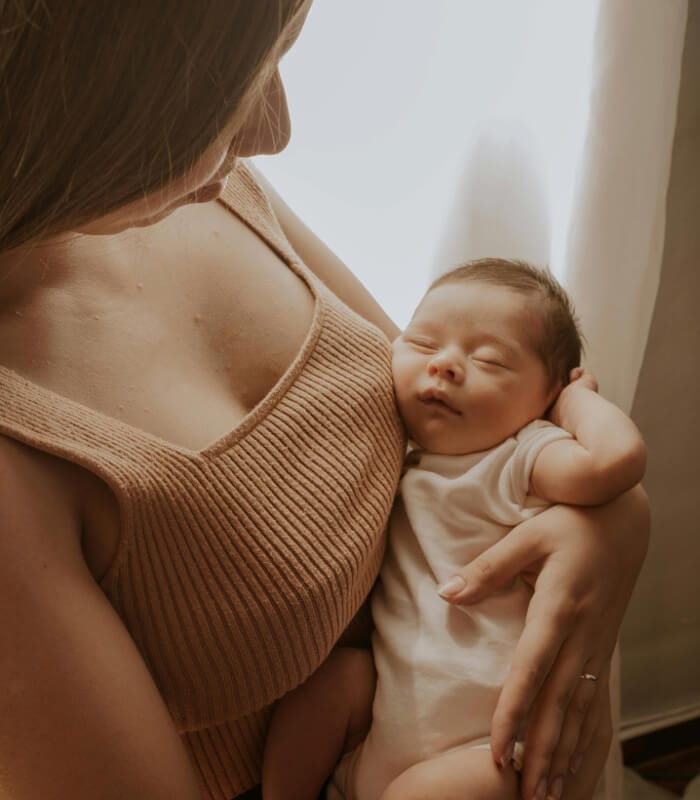
After everyone had left, your mother put her arms around me and sobbed uncontrollably. Her whole body shook as though the weight of the world had finally fallen on her shoulders, and nothing I said could console her in that moment. I held her tightly, whispering that everything would be okay, but the truth was, I wasn’t sure myself. I could feel her pain as if it were my own; raw, sharp, and unbearable. That night, I understood in a way I hadn’t before how cruel people could be, and how much harder life was going to be for us as a family.
Your mother and I had always had a fun, lighthearted relationship. We laughed easily, and we enjoyed doing everything together. She was my partner, my best friend, and with her, I felt like life was worth living. When our relationship grew stronger, we simply assumed that parenthood would be the next great adventure, just as fulfilling and natural as our love for one another.
Oh my goodness, how wrong we were. Not wrong in the sense of regret, never that, but wrong in the sense that we had no idea how much parenthood would demand from us. We soon discovered that becoming parents doesn’t only test your patience; it tests your very character. It brings out the very best in you, strengthens you didn’t even know you had, but also reveals a side of yourself you’d rather keep hidden.
The excitement of having a new life in the house was overwhelming. Every cry, every little movement, every sound you made filled us with awe. But it never escaped our minds how difficult the future months would be. Sleepless nights stretched into bleary-eyed mornings. We wrestled with your fevers, your endless crying, and our constant fear that we were doing something wrong. We were desperate to figure out the right way to soothe you, the perfect way to love you. Looking back now, it seems funny how hard we tried to be “perfect parents,” as if such a thing even exists. All that really mattered was that we loved you fiercely, with everything inside us.
I remember the first night as if it happened yesterday. I turned to your mother and said, “I think I must hold him all night long… just to make sure he will be fine.” And that’s exactly what I did. I sat half-upright in bed with you lying on my chest, your tiny breaths rising and falling against me, as though your little heart had already synchronized with mine. I slept very little those nights, too afraid to close my eyes for long. For about two weeks, I hardly let you go. I was paranoid that something unexplainable might take you away from me. I checked your breathing constantly, placing my hand lightly on your back, waiting for the gentle rise and fall.
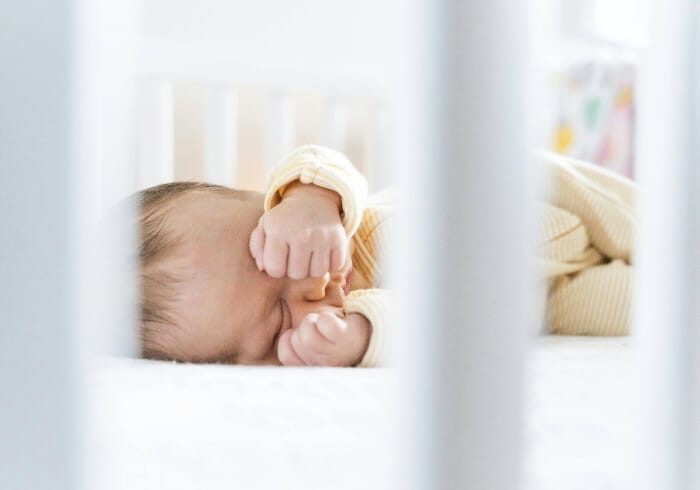
Your cot was placed right next to my side of the bed. Your mother was still healing from the cesarean, and I wanted her to rest, so I took on most of the night watches. For the first two or three months, I barely slept. I even set the alarm clock to wake myself every hour, just to check if you were still breathing. It might sound obsessive now, but at the time, it felt like the only way to protect you. That fear of losing you was the sharpest I had ever felt, and it also made me realize something profound: nothing else in my life mattered more than you.
In those early months, your mother and I shared the responsibility of raising you. It was our duty, our privilege, to create a safe world for you. We held the key to your safety, your happiness, your future. And as the weeks passed, you began to trust us; trust us to feed you, hold you, love you. You didn’t just need your mother; you needed both of us. That realization filled me with pride. You were a perfect little miracle, and I wanted nothing but the best for you. When people came to visit, I felt as if we had accomplished the impossible. I felt like we were the very first gay couple in the world who had managed to create our own baby, and I was so proud I could burst.
But in the quiet of the night, another question haunted me: what was I to you? Women became mothers through pregnancy, through giving birth. But what about me? Was I your father? Another mother? An aunt, a buddy, a shadow? I honestly didn’t know. What I did know, with absolute certainty, was that you were just as much a part of me as if I had carried you beneath my own heart for nine months. Our bond didn’t need a definition; it was carved in something deeper than words.
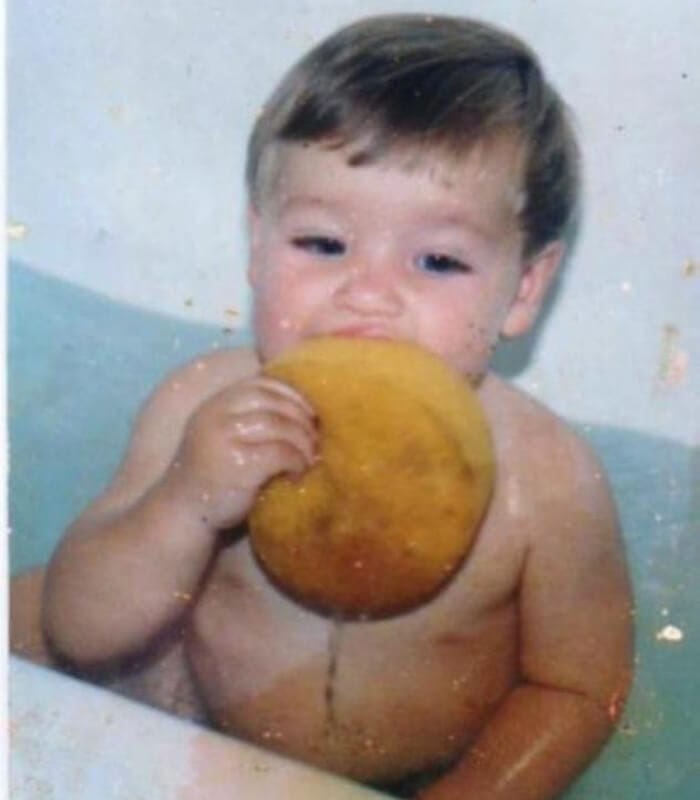
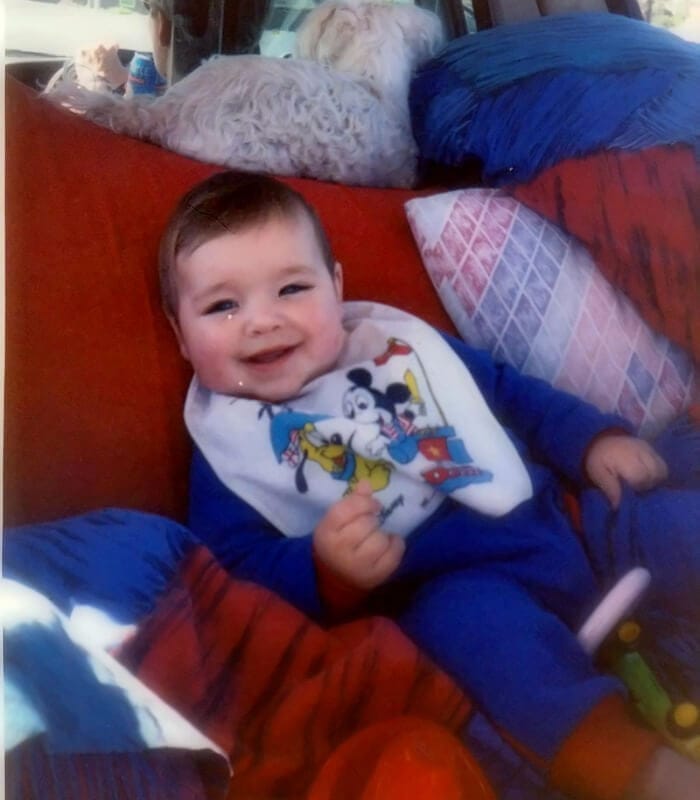
As you grew older, reaching that beautiful in-between stage of crawling and walking, our connection grew even stronger. You started to focus your attention on me in small but unforgettable ways: a shy smile, an uncontrollable belly laugh, or even a tiny, frustrated frown when you toppled over trying to take your first steps.
To you, I was a hero, someone you relied on and trusted completely. The day you first said “Ammie,” my heart melted into pieces I could never put back together again. When you took your first steady steps and stretched your arms out for me to pick you up, I felt the purest joy I had ever known.
Bath time became our special ritual. Blowing bubbles, splashing water until the floor was soaked. Those were our moments. If work kept me away and I missed it, guilt ate at me. It hurt even more when I came home late and found you already asleep. I would tiptoe into your room, stand by your cot, and just watch you. You looked like a tiny angel, so peaceful, so defenseless, so perfect. I would kiss your forehead softly and leave, carrying the image of your sleeping face with me until morning.
You became my reason to hurry home every day. No matter how heavy work weighed on me, your hugs had the power to dissolve all of it. On the hardest days, you were my medicine, my antidepressant, my refuge. Teaching you to ride a bicycle, after I decided it's time to remove the stabilizer wheels, was one of those moments that revealed life’s bigger picture to me. Holding you steady as you wobbled forward, I realized it wasn’t just about teaching you to balance on two wheels. It was about showing you that I would always be there to steady you in life, at least until you could stand firmly on your own feet.
You weren’t just my child; you were my life, my soul, the very center of my existence. And as much as I tried to teach you, you were teaching me more: patience, resilience, and above all, unconditional love.
As I write these words, I can feel my chest tightening as if my heart is trying to escape the cage of my ribs. The ache of missing you never dulled; it only became a part of me, woven into every breath, every decision, every silent night where I lay awake with your name echoing in my head. It is not just memory that haunts me; it is the absence of you in the years that followed.
Birthdays I never got to celebrate with you. I never sat in the front row for school concerts. Sports games where I never cheered your name. First heartbreaks, I never comforted you through. Milestones that came and went, all without me there to witness them. And yet, in the privacy of my mind, I was there for each of them. I imagined your laugh at sixteen, your awkward charm at eighteen, your first steps into adulthood at twenty-one. In my imagination, I lived those moments with you, but imagination is a cruel substitute for reality.
Still, the bond between us was never severed. Not by time. Not by tragedy. Not even by the years of silence. Some bonds defy logic, defy blood, defy circumstance, and ours is one of them.
Even when the world around me collapsed, even when I thought I would never rise again, the memory of you was the one thing that pushed me forward. You were my reason to keep breathing, even in the darkest cells of despair. I held on to the promise I whispered into your tiny ear the night you first fell asleep on my chest: “I’m your Ammie, and that is who I will be forever.”
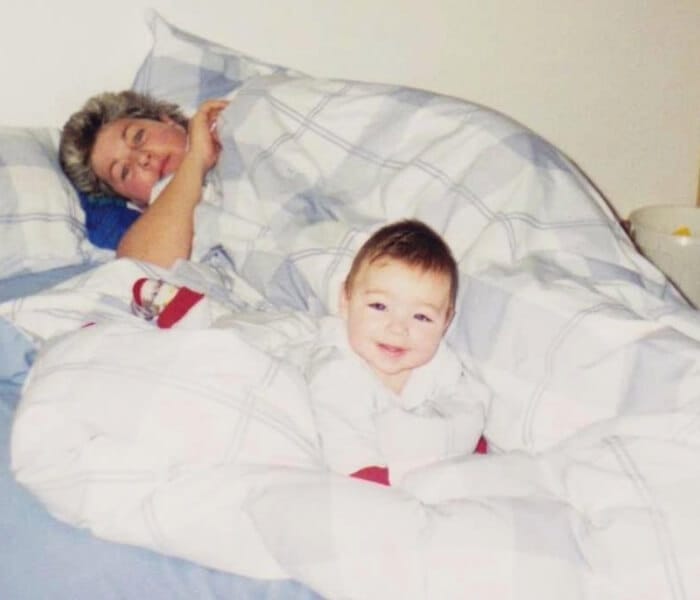
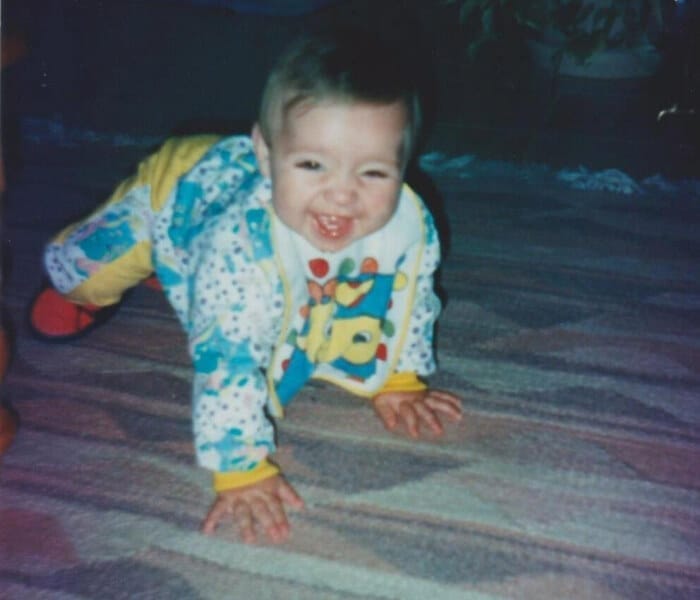
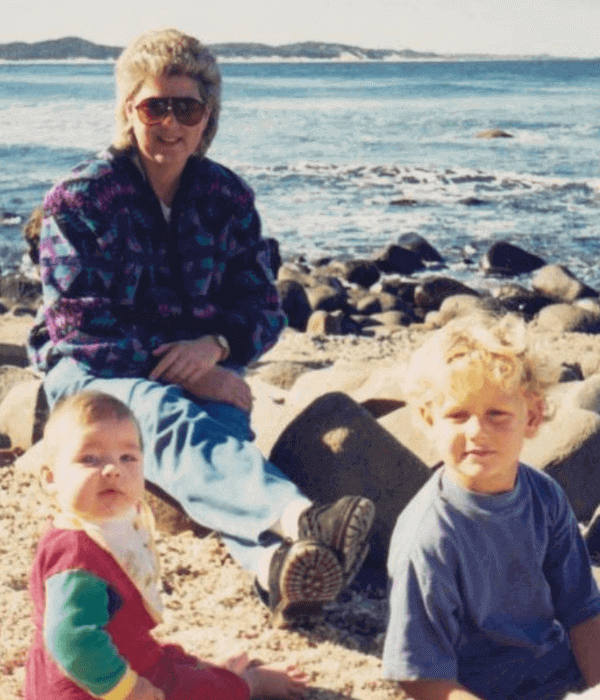
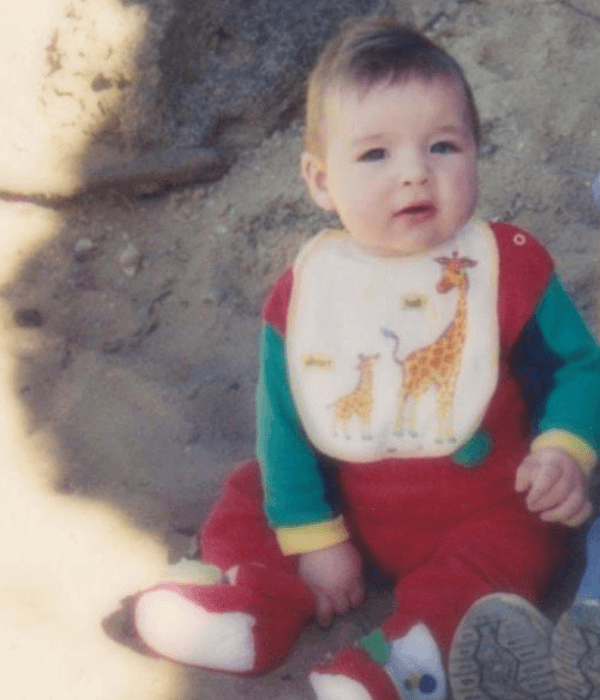
Forever, to me, is not an empty word. It is the rhythm of my heartbeat. It is the anchor that holds me to this world when everything else feels like it’s drifting away. You, Kegan, are my forever. And even though we are apart, even though a lifetime of questions stretches between us, even though I do not know if you would recognize me now or even want to, I carry that forever like a flame. Some days it flickers, weak against the winds of guilt and grief. Other days, it burns so brightly it lights the path ahead of me. But it has never, not once, gone out.
And so here I am, 28 years later, still talking to you, still writing to you, still loving you with every broken and healed piece of me. My son. My boy. My Kegan. No matter where you are, no matter what you think of me, no matter if our paths ever cross again, know this: you have never been forgotten, not for one single breath.
I haven’t seen you in 28 years, and now, after all this time, I’ve received your messages. I understand your anger, your confusion, and your pain. I know you want nothing to do with me, and I cannot blame you for feeling that way.
I want you to know, without hesitation, that I will love you until the day I die. That love has never wavered, not once, even when the years stretched endlessly between us. You were never the cause of the pain; I take full responsibility for everything that happened.
I am deeply sorry for what happened to your mother. I pray that one day, if your heart allows, you can find forgiveness, not for me, but for yourself, so that this pain doesn’t continue to weigh on you. There is not a day that goes by that I do not regret the trauma you have endured because of my actions, the knowledge you carry, and the suffering you will bear for the rest of your life.
I know words cannot undo the past, and I know they may not reach you in the way I hope. But I want you to know the truth of my heart: you were loved from the very beginning, and you still are. I hope, in time, that you will understand that.
Until then, I will hold onto that love, and I will pray for you every single day.
This chapter closes here…
But the journey continues in the next post.
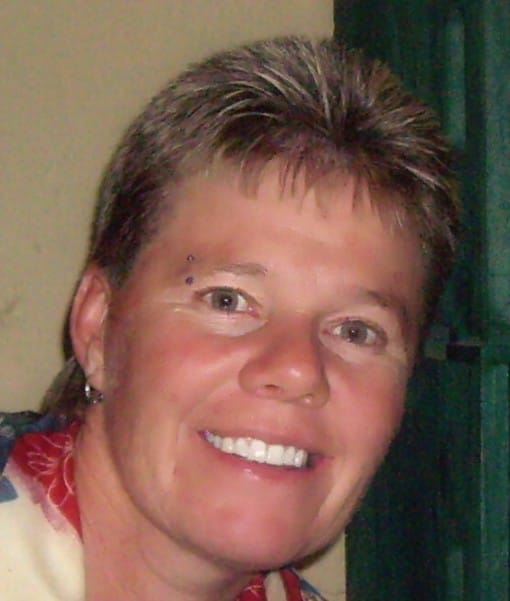
Author: Elmarie Heckroodt
Stay informed! A new chapter is released every week.
Your next chapter, “The Months That Broke Me – Part 6,” will arrive in your email next week.
Keep an eye on your inbox so you don’t miss it.
© 2025 Elmarie Heckroodt. All Rights Reserved.