
Jailtime - Part 12 (Section 2)
“They warned me against love while turning a blind eye to violence.” - Elmarie Heckroodt
That afternoon, I told Bari that I thought it would be better if she came and sat on my bed for a change, and I quietly mentioned the gossip that was already making its rounds.
The words were hardly out of my mouth when her expression hardened. She took it as an accusation rather than concern. In a sharp, almost cutting tone, she said, “I didn’t ask you to sit on my bed every evening… You don’t have to sit on my bed… You can sit where you want to.”
The bluntness of her reply landed like a slap. I froze, stunned by the sudden wall she had put up between us. My chest tightened, and a lump rose in my throat. I stared at her, searching her face for some sign of regret, but she was already looking away, her jaw set, her eyes guarded.
I didn’t answer. Swallowing hard, I turned from her and walked back to my own bed, each step feeling heavier than the one before. I lay down, pulling the thin blanket over my head, hiding my face from the cell. Silent tears slipped across my cheeks, a release I couldn’t control. I didn’t even fully understand why it hurt so much, only that it did.
We had shared so many quiet, beautiful moments until then: moments that made the noise and cruelty of prison fade for a little while, and now it felt as though she had shut a door I wasn’t ready to see closed. Worst of all, she still didn’t know how deeply I felt for her. I was terrified that I might lose her without ever finding the courage to say the words out loud.
Shortly after I turned away, another inmate approached my bed. In her hands was a worn magazine, the kind passed from bunk to bunk for weeks until the pages were soft at the edges. “Bari said this is for you,” she whispered, almost casually, before moving off again.
My heart began to pound as I took the magazine, my fingers trembling. Barineze never handed me things through others unless it meant something. I flipped through the pages with deliberate slowness, pretending to browse, until I reached the back, where a single sheet of folded paper was tucked between the last few pages.
I unfolded it carefully, my breath catching at the sight of her neat handwriting. Before I even finished reading, I felt the relief wash over me. Her words spilled across the page with a raw honesty that made my chest ache:
"Hello Elmarie,
I don’t know where to begin, but I think you are upset with me, and I don’t know how to handle it. I need so much to come to you, just to hug you, but then every eye will turn. Did I say or do something that upset you? Please, talk to me… I’m begging you!!! I grew so attached to you… maybe too much. I don’t want what’s beautiful between us to be destroyed. I feel so depressed while I’m sitting here. I will do anything just to see you happy and to see that beautiful smile on your face. I feel hurt because I don’t know you like this. I will refuse to accept that you push me aside while you know how much I care for you. To me, it’s only you existing in this cell, so I hope we can sort out this “problem” tonight. The tension is driving me crazy!!!
From someone who maybe cares too much."
I read the letter again and again, barely able to contain the rush of happiness that surged through me. Before the end of the first paragraph, I already knew her feelings mirrored my own. She cared for me too. I wanted to jump up, to shout, to run to her and tell her everything I had kept hidden, but the eyes of thirty-one other inmates were everywhere. I forced myself to stay still, to let the paper rest quietly in my lap while inside I was bursting.
That evening, after the lights dimmed and the television flickered low against the smoke-stained walls, I wrote my reply.
Each word felt dangerous and thrilling. We passed our notes with the same caution, tucking them inside magazines or under folded sheets, always careful to avoid the watchful eyes of others. In a place where every glance was scrutinized and every movement questioned, even a single sheet of paper became a lifeline; a quiet proof that something real was blooming in the middle of all this confinement.
By the time the night was quiet and most inmates asleep, the tension between us had dissolved. We talked quietly until sleep finally claimed us, and the incident was never mentioned again.
But the memory of that note, the way it had to be smuggled, hidden, and protected, stayed with me. It was a reminder of how fragile and dangerous even the simplest act of affection could be behind prison walls.
That small, seemingly harmless exchange became my first real introduction to how smuggling works inside prison. It wasn’t about contraband or rebellion; it was about survival, connection, and learning the unspoken rules that governed everything beneath the surface.
I began to understand that nothing was ever passed directly, nothing was ever acknowledged openly, and nothing was ever safe unless it looked ordinary. Objects became disguises, routines became cover, and trust became currency.
Those moments taught me that prison had its own invisible economy: one built not on money, but on silence, caution, and the quiet understanding that some things had to be hidden to exist at all.

"Her kiss woke a hunger in me I thought had died long ago." - Elmarie Heckroodt

"Her lips found mine in the hush of a cell that never slept, and for a heartbeat the whole prison disappeared." - Elmarie Heckroodt
I had been in my sentence for nineteen days. It was the 10th of October 1998, and everything between Bari and me was moving along smoothly, despite the gossip that still floated through the cell like a bad smell no one could get rid of.
Bari was adorable, and all I wanted was to touch her; just a hand or her arm, a brush of fingers across her back, anything to feel that she was real in this place where everything felt stolen. I was grateful to her for more than just the comfort. She was the one who taught me to keep my head up and steer clear of unnecessary trouble with wardens and fellow inmates.
They could be cruel, their words sharpened into weapons, especially when it came to my sexual orientation. A single look, a single careless, vulgar, and cruel comment, could set off a storm of whispers or insults.
But with Bari, I learned how to walk past it, how to stay calm when the nastiness came. She was a nice, sensible, understanding person, and sometimes I wondered if what I felt was admiration or something much deeper. The truth was, I liked everything about her, and I didn’t feel guilty about it anymore, even though Lizette had only been dead for almost two years.
When our eyes met, the noise of the cell faded. It was as if the chatter, the clanging of gates, the hiss of the old television all went silent, leaving only the space between us. We looked at each other for a long time, and in that silence, I could see it: the love, the unspoken longing.
“What do you want in a relationship?” I asked softly, searching her eyes for the answer I already hoped was there.
Her voice was like a caress in the dark when she finally spoke. “Someone I love…and respect…and care about. Someone to laugh with when things get tough…someone who’s not afraid to love me back…someone who needs me.”
Her words settled over me like a fragile blanket. She sounded vulnerable, unsure of why she was opening up, but she kept going. I knew she trusted me. And in that moment, I knew she loved me.
One evening, we slipped away to the toilets together. Sad but true, it was the only place where we could pretend to have any privacy. The light above flickered weakly, the damp smell of sunlight soap mixing with the sour odor of the pipes.
After she stepped inside, I closed the door behind us and leaned against it, facing her. My heart hammered as I looked into her eyes: deep, dark, steady. Her sheer beauty made me tremble.
She smiled slowly, a calm, knowing smile. I froze, caught between desire and fear. I held my breath, waiting for her to lean forward and kiss me. My whole body ached for her, and when I finally exhaled, it felt like my ribs might crack. I recoiled slightly against the wooden door, ashamed of my own need.
“I’m sorry…I’m just being stupid…don’t be offended, please,” I whispered, my voice cracking with the weight of it all. Her eyes softened. Hunger and gentleness lived there side by side, and it was almost impossible not to give in. But we both knew the risk.
We left the toilet and walked back into the chaos of the cell. Bari went to lie on Elise’s bed, which stood in a slightly more private corner. We had already spoken to Elise about it, quietly making sure we wouldn’t be disturbed. Elise’s bunk stood in the far corner of the cell, hidden next to another bunk bed where the fluorescent light didn’t quite reach.
Between each bunk bed, throughout the cell, the maximum space between beds was 500cm. It was old steel-framed double bunks, grey paint chipped where inmates carved out vulgar words, the kind that groaned and rattled whenever someone shifted. To create a bit of privacy, we tucked a sheet tightly under the top bunk’s mattress and let it hang down like a curtain, a thin wall between us and the rest of the cell. At the foot of the bed, a worn towel hung as an extra shield, closing off the small gap where curious eyes might glance in.
It was still Elise’s bed, but she played her part without a word. While Bari and I slipped beneath the hanging sheet, Elise climbed to the top bunk and sat with the inmate above, pretending to watch the flickering television across the room. From up there, she could see the whole cell and give a warning through coughing or clearing her throat if anyone started moving our way. At all times, our ears were fine-tuned to hear when the night shift wardens approached to do their hourly rounds. Her silence, her casual posture, was our safety net. In a place where privacy didn’t exist, this makeshift hiding spot felt like a stolen room: small, fragile, and dangerous, but ours for a few stolen moments.
I waited a moment, then slipped in beside her and pulled the blanket over us. The television hummed in the background, inmates laughing at something I couldn’t hear. Beneath the blanket, the world narrowed to the warmth of her body against mine.
Not being able to fight the desire any longer, I pulled the blanket higher to cover our heads and kissed her with a long, lost passion. Her lips were soft and sure, her touch gentle but urgent. My body ached and trembled with a need I hadn’t felt in years. I kissed her again, breathless, and then I heard her whisper, so quiet it was almost a prayer.
“I love you.” “I love you too,” I breathed back, the words tasting like freedom.
This time, the kiss deepened, a slow hunger we both understood but couldn’t satisfy. We needed each other. We wanted each other. But we couldn’t, not there, not then. The time and place were all wrong. Still, for that moment, nothing else mattered. I held her close, and we talked in hushed tones about everything and nothing: the kind of conversations that happen when a new love is just beginning, fragile but burning.
It was an awful way to fall in love, a horrible place to be, but maybe we were meant to find each other in this hell.
“Why do we have to be here?” I asked, my voice low and discouraged.
“Let’s go home,” I said with a soft laugh, knowing it was impossible.
Barineze smiled sadly, her fingers tracing slow circles on my arm beneath the blanket. Neither of us answered the question out loud. We already knew there was no answer.
“Love in prison is not free of fear; it is the courage to feel anyway.” - Elmarie Heckroodt
I tried to fall asleep that night, tossing from side to side, my heart thudding so hard it felt as if the entire cell could hear it. Each turn only made the silence louder, each breath sharper. Eventually, exhaustion dragged me under, but my sleep was restless. I dreamt of my goldfish, Bubbles, struggling in a bowl where no one had fed him. I watched helplessly as he leaped toward the surface, searching for food that wasn’t there, his tiny body weakening with each desperate attempt. I loved all my animals back home—my mother was caring for them while I served my sentence—but in that dream I felt the ache of loss all over again. The sight of Bubbles slowly fading crushed me, and then, with a sudden jolt, I woke.
The cell was dim and still. A weak strip of light crept in from the passage, cutting a faint shadow across the floor. My heart calmed as I realized it had been only a dream, but another awareness quickly took its place. My eyes drifted to Bari. She lay curled in quiet sleep, her face softened by the fragile glow from the corridor. An aching need stirred in me: deeper than loneliness, sharper than fear. It was the need to feel alive, to feel wanted, to touch something pure in a place that tried to strip you of everything human.
For a long time, I simply watched her breathe, fighting the pull of that desire. But the distance between our bunks felt unbearable.
It was 01:45 in the early morning hours, and everybody was fast asleep. Slowly, carefully, I slipped from my bed into hers and pulled her closer with an urgent tug. I needed every part of her body to touch mine. I started kissing her, and finally she woke up. We both surrendered to the desires of our hearts and bodies. My hand trembled as I brushed a strand of hair from her face. She stirred, her lashes fluttering as her eyes opened to meet mine. In that quiet moment, the world outside the cell ceased to exist.
She reached for me, and the warmth of her fingers penetrated me, sending a current through my whole body. Our lips found each other in a tender urgency: soft, searching, hungry yet careful. It wasn’t the kind of passion the world outside would ever understand. It was the desperate, healing kind born of captivity, where every touch was a rebellion and every breath a silent promise. I slid my hand between her thighs and felt the warm wetness. The kiss deepened, carrying all the words we were forbidden to speak. My body trembled as if it had been waiting years for this single moment of connection. When she moaned with pleasure, I pressed my lips tighter against hers, paused for a moment, and whispered: “We have to be quiet”.
When we finally pulled back, her forehead rested against mine, and her whisper filled the small space between us.
“I love you, Elmarie…something beautiful is happening between us. I want to hold on to it, to treasure it with everything I have.”
I smiled through the ache in my chest and whispered back, “I love you too.” We lay there in the hush of the cell, holding on to each other, our hearts speaking what our voices could not. The lovemaking was short, but it felt forever-lasting.
Eventually, I returned to my bed, the taste of her still on my lips and the warmth of her body lingering like a quiet fire. Sleep came easily after that, wrapping me in a calm I hadn’t felt in years.
Some would call it bad luck, others would call it fate. Whatever it was, Bari and I had found each other in the unlikeliest of places. Prison was about to show us just how cruel it could be to people who dared to love, but for that night, nothing could touch us.

"Every step toward B-section felt like leaving pieces of my heart scattered along the cold prison passage." - Elmarie Heckroodt
Twenty-four days of my sentence had passed when I was ordered to move to B-section: the very place they had wanted to put me from the start.
It was October 15, 1998, when the Head and a few wardens from Management summoned me to the office. By then, they had already confronted the committee member of our cell. She denied any physical relationship between Bari and me. Calm and composed, she told them she hadn’t received a single complaint about our behavior, nor had anyone seen us being intimate.
The Head turned to me and asked if I had any suggestions to stop the gossip. I suggested moving to a single cell within the same section: that way, Bari and I would be separated but still close. It was a desperate compromise, but their faces told me they’d already decided.
The Head didn’t even acknowledge my idea. Instead, she said flatly, “We’ve decided it’s in the prison’s policy interest and regulations, and for your own protection to move you to B-section.”
"Then why ask me for suggestions, you dickheads, when you’ve already made your decision?" The thought burned inside me, but I swallowed it. I knew the difference between a suggestion and an instruction.
Trying to mask my disbelief, I asked, “Protection against what?” “Gossiping”? Since when is gossiping and spreading rumors a reason to imply that I haven't abided by the rules or that I am in danger?"
It was one last attempt to stay in the same cell as Bari, but the Head could see right through me that I was not being truthful. Right there, I realized that being untruthful might save my ass. In prison, you have to learn to manipulate wardens to get your way, even though I knew it was wrong. But I wasn’t so clever at manipulation yet.
Her voice sharpened like a blade: “You won’t know now, but you will soon find out… believe me, it’s in your best interest.” No explanation. No humanity. Just the cold wall of authority.
With an unbearable desperation, I realised there would be no answers, so I returned to my cell to pack my few belongings while Barineze remained blissfully unaware, busy in the hair salon.
What became painfully clear in that moment was how prison thrives on helplessness, breaking inmates down, dehumanizing them, and dismantling their minds until frustration becomes a way of life.
When I finally saw Bari, I tried to explain what little I knew. I sat down beside her, searching for the right words. She didn’t wait for them...saw my packed suitcase. She wrapped her arms around me and held me tight.
“Please don’t leave me, Elmarie… I’ve never loved anyone the way I love you.” Her voice cracked, and my chest tightened. I pulled her closer, letting the warmth of her body steady the storm inside me. Looking into her eyes, I forced a tender smile and whispered, “Whatever happens to us, no matter how far they separate us, I will always love you.”
She lowered her head, unable to meet my gaze. I slid my finger beneath her chin, lifting her face until her tear-filled eyes met mine.
Shaking my head slowly, I told her there was no need to cry. “I love you, Bari. Even if we’re not in the same cell, or even the same section, I’ll always be with you. Always.”
My voice trembled, the words breaking against my lips. Everything about this felt cruel and senseless. “Elmarie, what are we going to do?” Her eyes searched mine, desperate and afraid.
“All I want to know,” she whispered, “is if you’ll love me forever.” I held her gaze, letting the silence carry my answer before I spoke. “I love you… I love you so much.” Then I drew her into my arms and kissed her softly. For once, we didn’t care who might see.
The gossip had already done its damage. Our secret was no longer ours to hide. I leaned close to her ear and said with quiet determination, “I’m going to hate every minute of being apart, but God will make a way for us. You’ll see.”
Her fear spilled into more questions. “What if you forget about me there in B-section? What if someone else steals your heart? What if the system breaks you until you give up on loving me?”
Each word sliced through me. I pressed my forehead to hers and whispered, “Stop. I love you, and you never forget that.”
A warden appeared at the door, signaling it was time. It was obvious that she witnessed the tender moment between Bari and me, but I didn’t care. At that stage, Bari was my only lifeline; not even my release date could change that. In fact, my parole hearing was years away - not even the thought of “playing with my release date” could change how I felt at that stage.
I gathered the last of my meager belongings while Barineze stood silently, watching every move.
As I walked down the long, cold passage toward B-section, it felt as though a part of me remained behind with her: a piece of my heart she could hold onto. She wouldn’t be able to see it or feel it, but I hoped she would know I had left her a gift: the promise to love her forever, no matter how cruel the walls between us became.
“Prison doesn’t just cage the body - it dismantles the idea that you are still a person.” - Elmarie Heckroodt
I was lying on my bed, thinking of Bari, and tried to feel at home in the single cell, but nothing was the same; nothing felt warm or inviting, and all I could do was think of her and the unfairness of the sudden move. The walls around me were the same pale, chipped paint I had seen a hundred times, yet they felt colder now, like they were leaning in, waiting for me to break. I guess perhaps that all our freedom has to be taken away to truly realize how precious a gift it is. To know and remember what it meant to be free was one of the biggest torments for those in prison. It’s a pain that lives in your bones: the memory of open air, of a door that swings both ways, of silence that isn’t enforced.
This new section was different from any I had been in before. It was the unit where all the mothers with babies under two years old were kept. Inside the communal cell, mothers moved slowly through the day with their little ones clinging to them, tiny fingers clutching at uniforms, soft whimpers echoing against concrete. Their cries mixed with the heavy prison air, a sound both beautiful and heartbreaking. In the center of it all stood my single cell, a small room with a barred gate that opened onto the mothers’ space.
During the day, the gate was unlocked, and I could step out, talk to the women, watch the babies take wobbly steps, or gnaw at crusts of bread. The younger ones received milk provided by the prison for those mothers who did not breastfeed. For a few hours, life in this place carried a strange kind of softness, a reminder of what tenderness looked like even in captivity.
Among the mothers and babies in the communal cell, there was one child who captured my heart completely; a tiny boy of about eighteen months who could not walk. His legs were twisted and fragile from birth, deformed because his mother had abused drugs before she was incarcerated. The first time I saw him, he sat quietly in a wheelchair, his dark eyes watching everything with a solemn, knowing look far beyond his age.
I found myself drawn to him every day, almost without realizing it. Whenever the barred gate stood open, and I was allowed into the mothers’ section, I would kneel beside his chair, touch his small legs through the thin fabric of his baby clothes, and whisper silent prayers. My hands lingered there, hoping, perhaps foolishly, that somehow my touch could undo the damage, that some piece of my own stubborn will might reach through his skin and teach his bones how to grow straight. He never cried when I touched him. Instead, he would stare back at me with wide, unblinking eyes, and sometimes he’d give the faintest smile, the kind that felt like a fragile gift in a place like this. I bought him small treats from the tuckshop whenever I could; little packets of biscuits, a lollipop - anything to bring him a moment of sweetness in a world that offered so little. The mothers would nod in quiet approval, and his mother, weary and hollow-eyed, would murmur her thanks, though I sensed she carried a guilt too heavy for words.
Every afternoon, when the clock crept toward three, I felt the same dread tightening in my chest. I knew the gate would soon slam shut, cutting me off from the soft murmur of babies and the small boy’s watchful eyes.
But at exactly 3:00 p.m., the routine returned with a snap. A warden would walk down the corridor, keys clinking against her belt, and with a sharp metallic clang, my gate would be locked.
The communal cell stayed alive with the restless sounds of children, but I had to retreat to my room, a single strip of concrete where the only heartbeat I could hear was my own. The sudden silence after the gate clanged shut was almost physical. I would sit on my bed, the echoes of laughter and cries fading behind the bars, and feel the loneliness press in like a weight, and sit in the quiet, thinking of his tiny legs and the cruel chain of choices and circumstances that had brought him there. Sometimes, when the night felt endless, I wondered if he would ever walk, or if the world outside would even give him a chance. And I wondered, too, why his face stayed with me so fiercely. Perhaps because in that broken little body, I saw every innocent life that prison swallows without mercy.
This feeling was only made worse by the strict prison system because everything was fixed and measured. The environment where you lived, breathed, worked, and existed was locked behind firmly welded bars and coiled barbed wire that glittered like sharp silver in the harsh light. Details of the daily routine were scheduled to the minute and left no room for human choice. We, as prisoners, had absolutely no right to make decisions for ourselves. Every movement, every breath of free thought was controlled by the wardens. There was a set time to rise, a time to report for work, and a time for the so-called exercise.
Exercise, according to the prison system, wasn’t movement or freedom; it was a slow pacing in the courtyard, a stretch of cracked concrete surrounded by fences, doing absolutely nothing except listening and watching other inmates pass the time like restless caged animals. Dominoes slammed on wooden tables. Voices rose in sudden bursts of laughter or rage. Fights broke out, quick and brutal. The air smelled of sweat and cheap soap. You learned to keep your eyes moving, to watch everything without appearing to watch at all.
There was no official time to sleep, but the lights cut off at exactly 10:00 p.m., and silence was enforced like a second skin. You could whisper if you dared, as long as it didn’t disturb those already lost to the shallow escape of sleep. I did not work during that time because I was still in the adaptation phase, if you can call it that. The wardens told us work would help with our “rehabilitation,” but my rebellious streak burned hotter than ever. I didn’t need rehabilitation. I needed everything else: sunlight, air, Bari’s presence, freedom, but not their version of “correction.”
So I filled my days with borrowed books from the prison library, their worn pages carrying me to places where walls didn’t exist, and I wrote letters to my mother and Olla, pouring words onto paper like a lifeline. Yet even the comfort of reading or writing couldn’t mask the truth that sat heavily on my chest. All the physical restrictions were nothing compared to the deeper wound, the awful realization, repeated by every warden and every rule, that a prisoner was a person without rights. We were to be treated as numbers, not humans.
It settled on me with a nauseating certainty, one that turned my stomach and left my throat dry: I was no longer Elmarie, a woman with a heart and a story. I was a number on a page, an entry in a logbook. My dignity, my past, even the simple recognition of my existence: none of it mattered. The system stripped it all away with the quiet cruelty of routine.
When the weight of that truth grew too heavy, when the silence of the cell felt like it might crush me, I sought shelter in memories of the past. I replayed moments with Bari: the warmth of her arms, the softness of her breath against my neck, the quiet glances that said everything we could not speak aloud. Pleasant memories became a kind of secret rebellion, a way to escape the indescribable inhuman life of prison, if only inside my own mind.
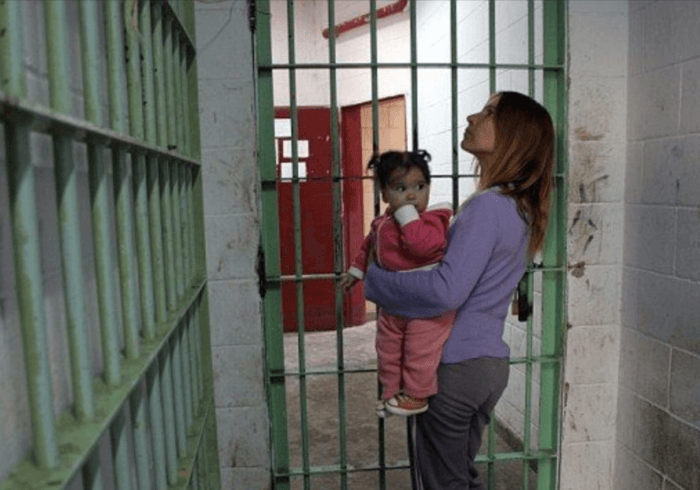
"His smile was a fragile gift in a place built to crush tenderness." - Elmarie Heckroodt
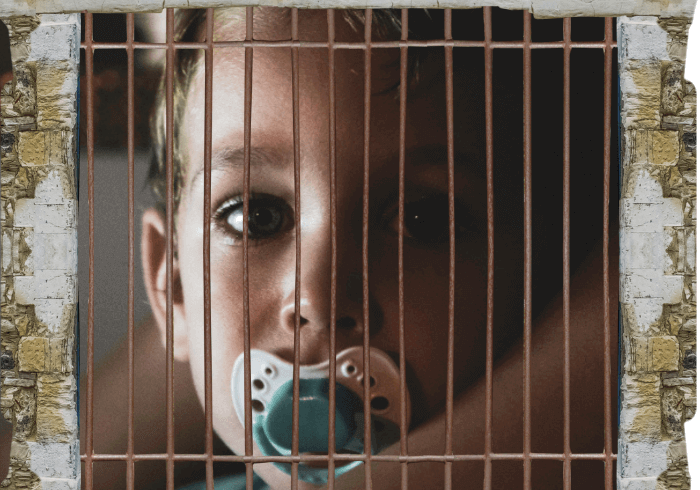
"In his watchful eyes, I saw the weight of choices he never made." - Elmarie Heckroodt
Later that evening, an inmate came by with the nightly hot-water trolley for coffee. Along with the soft clatter of tin cups, she quietly handed me a folded piece of paper. My breath caught as I recognized the familiar handwriting. It was from Barineze. I quickly slipped my own letter into her hand to carry back, my heart pounding as if the paper itself was alive.
Tears streamed down my cheeks as I opened the note and read it over and over, each line soaking deeper into me:
“My dearest beloved, I can’t fall asleep because I’m wondering what you’re doing and if you are okay. This is going to be the longest night ever, and I can’t wait to see you. It feels like hell!!! Promise me that when we are granted the opportunity to be together alone, we will make the best of it. I honestly hope that all this unpleasantness won’t turn you into a negative mental state and make you give up everything we have. I’ve cried so many grieving tears today, all because of my endless love for you. You don’t deserve what happened today, because I love you so very much and know you are a kind and loving person.
You deserve better treatment, and I feel more ill-treated on your behalf. Today, I promised myself to do everything in my power to make you happy because you deserve every bit of it. All the love I have in me is yours, and I will share it with you in abundance. You’ll never suffer any lack of love from me. I’m all yours. My entire humanness feels beautiful and clean, because our love brings out the best in me, everything due to you.”
“Lord, please keep her safe, because she means everything to me. Without Your grace and support, we cannot live; therefore, we trust You to lead us. Keep us safe from everything that might undermine our relationship and give us the power and knowledge to stand the test. Forgive us our sin and cast Your Holy Spirit upon us every day.”
“I love you, my sunshine. I have finally found true love!!!”
When I finally lowered the page, my mind lingered on the prayer more than anything else. A sudden, piercing awareness washed over me. God had never truly held a place in my life when Lizette and I were together, yet here I was, aching for Him with every breath. I needed Him then more than ever, and with a jolt, I realized He had always been there, waiting silently while I lived as if I didn’t need Him.
The more I turned toward Him, the deeper my longing became. I began to crave those private, silent conversations, a closeness that set my soul on fire. At times, it frustrated me: no amount of prayer or quiet moments felt like enough to fully know Him.
I had tasted His love and grace, but the hunger only grew. I knew I couldn’t force it; a relationship with God required patience, trust, and daily surrender. Yet fear sometimes crept in; fear that I might miss something He was trying to tell me, fear that time itself would run out before I could grasp all that He was.
On the other hand, I had Barineze on my mind constantly. Thoughts of her softened the hard edges of my day, bringing a strange comfort to my soul. What steadied me most was the quiet realization that God was present in our relationship; not pushed to the side or hidden, but welcomed as a constant figure in our lives. We included Him in everything: in our questions, in our answers, in every tiny decision. He was part of our love, our happiness, and even our sadness. Knowing that we could lean on Him at any time felt like an anchor in a place where almost nothing else was certain.
But beneath that comfort, a different tension churned. Somewhere in the quiet of my mind, a “voice” kept whispering, sometimes shouting, its endless reprimands about my sexual orientation. It never rested. The more it condemned me, the more I pushed back, arguing with it in silent defiance.
There were nights when I found myself almost shouting back in my head, drowning it out with my own stubbornness. For a while, it would retreat, but it always returned; sharp, relentless, and exhausting.
At times, the conflict felt like it would tear me apart. I experienced a sickening sense of destruction, as though my own soul was at war with itself. I grew desperate for answers, for a way to reconcile what I felt with what I had been taught. Slowly, I began searching for the truth beyond the accusations. I asked myself every question I could think of about my orientation, stripping each one down to its core.
What I came to believe was simple but liberating: apart from our sexual preference, there is no real difference between homosexuals and heterosexuals. We are not a threat to society; we contribute just as much as anyone else. The idea that we are evil is nothing more than a myth; an echo of fear passed down by those who do not understand.
People claim homosexuality is “unnatural,” but what does that even mean? The word is slippery, a vague accusation with no clear shape.
If “unnatural” only meant we are outnumbered by heterosexuals, does being in the minority make something wrong? If “unnatural” meant that certain body parts were not meant to be used for sex, then by the same logic, masturbation, oral sex, or intimacy after menopause would also have to be condemned. Bodies are complex. They are capable of many things, and love finds ways to move through them. To say that the physical side of a homosexual relationship is wrong simply because it does not follow a narrow design, felt to me, deeply unfair.
Before my arrest, there were many times I attended church and sat quietly in the back, only to hear people speak about “people like me” as if we were a disease, an abomination to God. Each time the words landed, a part of me shrank further inward. I began to pull back from others long before I ever stepped into a prison cell, creating a distance that no one could cross, because it felt safer to hide than to keep being wounded. If people wanted to look at me with disgust, I decided I would simply remove myself from their presence.
The church, the very place where I once hoped to find acceptance, became the weapon that drove me away. In their judgment, they “killed” the God I longed to worship, leaving me to believe He wanted nothing to do with someone like me.
Years later, I would learn that God was never dead to me at all, but by then the damage was already done. The seed of God hates you had been planted deep in the soil of my soul, and it grew like a weed I couldn’t pull out.
To escape the suffocating weight of rejection, I turned to alcohol and reckless behavior.
Drinking dulled the ache, and in the haze of smoky gay bars and late-night laughter, I felt a temporary acceptance among the people I called friends. But underneath the smiles and drunken camaraderie, I was the most miserable person in the world, but I covered it with a mask of arrogance. I chased happiness in people, in distractions, in sex and lust, and in marijuana once in a while, anything except turning toward God. Why would I run to someone I was told wanted nothing to do with me?
Still, there were moments when the craving to hear His voice became unbearable. Sometimes it was as small as a whisper in the back of my mind: a longing to pray, to feel a presence that promised meaning in a life that otherwise felt empty, callous, and cold.
Yet every time I gathered the courage to walk back into a church, I felt the sting of rejection all over again. The sermons were polished, the hymns sweet, but the eyes of the congregation were sharp as knives. By the time the final hymn faded and the doors opened, I would leave feeling as though the entire church had spit me out into a hard, dark pit with nothing to cling to.
To survive, I learned to play roles, to fit into the circles where acceptance came at the cost of hiding my truth. I became whoever people needed me to be, because the moment they discovered my orientation, the first words out of their mouths were always the same: "It’s a sin."

"I chose to believe that love - pure, imperfect, and human, could never be a sin." - Elmarie Heckroodt
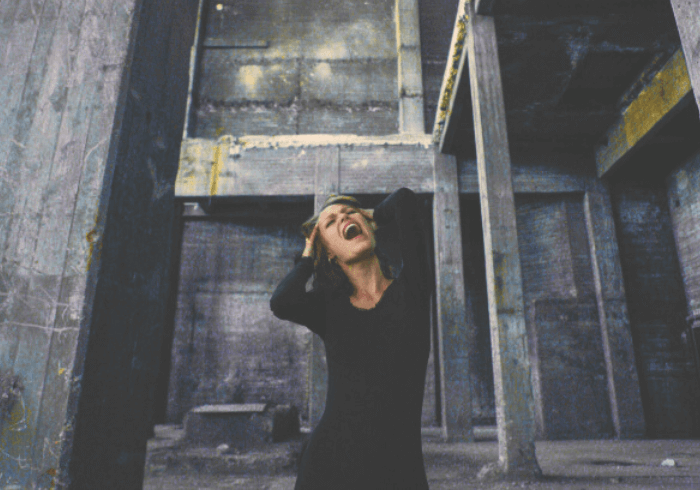
"The louder the voice of judgment screamed inside me, the louder my soul shouted back that love is never wrong." - Elmarie Heckroodt
Meanwhile, as the days, months, and years passed, I slowly began to nurture a personal relationship with God. There were countless moments when I wanted to share my faith with others: to speak openly about the quiet conversations I had with Him, the prayers whispered in the dark. But compelled by necessity, I kept silent.
My silence wasn’t from lack of belief; it was from fear. I knew the unspoken rule too well: you could not call yourself a Christian and a lesbian in the same breath. To many, those two truths could never live side by side. Their version of God demanded that I choose: faith or identity, as though the two could not possibly coexist.
But my sexuality wasn’t a choice. It wasn’t a habit or a passing desire. It was real. It was me. I couldn’t deny it any more than I could stop breathing. My deepest longing was painfully simple: to be the person God created: nothing more, nothing less. Just me. No masks, no explanations, no apologies. And yet that very longing was where my spiritual struggle sharpened.
Despite all the late-night prayers and the conclusions I thought I’d reached, the battle inside me never quieted. Whenever I sought answers, the same scripture from Romans 1:18–32 flashed relentlessly before my eyes. I knew every word by heart. Sometimes I would glare at the page until the words blurred, my chest tight with anger and sorrow. More than once, I imagined tearing that section from the Bible entirely, ripping it free from the spine, but even if I destroyed the paper, the torment wouldn’t vanish. The Living Word would remain, unshaken.
All I wanted was a rightful place in the world. Despite my orientation, I yearned for eternal life with God. But that place could not be claimed by my own strength; it had to be given. Only God Himself could offer the acceptance my heart craved. In my mind, I knew He had already accepted me: how could He not? He was the one who breathed life into me. Yet in my heart, I couldn’t make peace with myself.
There were nights when I felt the weight of that contradiction press so hard against my chest that I thought of hating God, not because I truly despised Him, but because I so deeply disliked myself. I pleaded for a different life, a different heart: anything but this. But every morning I awoke with the same reality: I was still me. I was still a woman who loved women. And every day, I lived with the constant, aching awareness of that truth.
Even though I was in a different cell block, every thought of Bari made my heart race uncontrollably. Just imagining her face, the curve of her smile, or the way her eyes lit up when she laughed, sent waves of warmth and desperation through me. I longed to hold her, to feel the simple comfort of her presence, but the walls between us were thick and unyielding. My days were haunted by the emptiness that her absence left behind, and each passing hour without seeing her made me feel as though I were unraveling from the inside.
I obsessed over her constantly, thinking about every word she had ever said, every small gesture she had made, and wondering if she thought about me with the same intensity.
At night, the “voice” became unbearable. It sneaked into my mind, no matter how tightly I tried to shut it out, accusing me of sin, whispering that my love was wrong, that I must stop. I would bury my head under the pillow, squeezing my eyes shut, willing it to go away, but it only grew louder, persistent, relentless. Eventually, exhaustion overtook me, and I would fall into a restless sleep, my mind tangled in guilt and desire, longing and fear.
I started dedicating our love to God with every ounce of sincerity I had. I poured my heart into silent prayers, telling Him about my struggle, about the conflict I felt between my deepest desires and the condemnations that haunted me. I begged for guidance, for a sign of approval or disapproval: anything that would show me the right path.
Bari knew all of this. She knew of my silent conversations, my desperate struggles, and my prayers whispered into the darkness. Each time we wrote to each other, there was always a thread of faith woven into the words, a small reassurance that we were not alone, that our love was not a sin but a gift to be nurtured carefully.
Then, one evening, when the despair seemed overwhelming, a letter arrived from her. I recognized her handwriting instantly, and as I unfolded the paper, my hands shook. Tears blurred my vision before I even read the first line.
The poem she had sent: the one she called My prayer for you, was a balm to my aching soul. I read it again and again:
“Late at night, when it’s hard to rest
I put your picture close to my breast
Tonight I decided to pray
And this is what I had to say: -
Dear Lord, high above
Please watch over the one I love
I think of her so deep
In her tiny room, asleep
A gift from you, she came
Only love…no regret, no shame
Bless us for the years to come
And unite us rightfully as one
Oh God, we need you now
Help us to seal our love with a vow”.
Reading her words, I felt an uncontrollable surge of love and gratitude. “God, how I love this woman…how could this be wrong, God?” I whispered to the empty cell, clutching the letter to my chest.
Bari had become everything to me: my hope, my joy, my reason to endure this cruel place. Our love had grown far beyond any possibility of turning back. It was real, it was vital, and I believed in it fully.
I remembered the day I had confided in her, sharing everything about my past, the story of how I landed in prison, and the label of “murderer” that followed me. I needed to know that she could accept me despite it. I remembered her reaction vividly: her eyes steady, voice calm yet full of conviction.
“Do you really think I see or think of you as a murderer, and do you really think that I’m frightened of you because of what you’ve done?” she asked. “Don’t ever doubt my feelings and my love for you,” she continued. “If I had doubts or regarded you as some vicious animal or thought your behavior and deed were horrendous and unforgivable, I would have avoided entering this relationship with you.”
Her honesty washed over me, dissolving a lifetime of fear and self-loathing. I relaxed into her words, letting them fill the gaps in my heart. Her voice softened further, her gentleness reaching me even in memory:
“Questions similar to these should not be spoken between us, because what we’ve found in each other should erase all that is uncalled for. I’m proud to say that I fell in love with the most desirable little human being on earth and will treasure you till the day I die.”
I clutched that memory like a lifeline. In the lonely, cold hours of separation, it was a constant reminder that love could survive anything, even the iron bars and endless distance between us.
Bari’s love was my anchor, my proof that I could endure the hardest days, the cruelest silence, and the relentless accusations of the “voice” in my head.
"Love can be a rebellion in itself, especially when even a loving mother insists it shouldn’t exist." - Elmarie Heckroodt
Bari and I had been together for just over a month when I decided it was time to tell my mother about our relationship.
It was a Sunday when Mom came to visit, and my heart raced with nervous excitement. I carefully chose my words, knowing that what I was about to reveal might upset her deeply. Not only was Bari in prison for the second time, but she was also a colored woman: a fact that could complicate my mother’s perception further.
“She’s my friend, and I like her a lot, Mom,” I said hesitantly, feeling the weight of her gaze on me. By then, Mom had already sensed that there was much more than friendship between us. She knew me too well; she could read my expressions like an open book.
“Do you love her?” she asked, the fear clear in her eyes, as though she were bracing herself for the inevitable answer.
“Yes, Mom,” I admitted, my voice tight with both fear and determination. I wanted to tell her everything, the depths of my heart and the truth of our love, but I also knew the limitations imposed by the glass that separated us. I couldn’t reach out, couldn’t hold her hand or embrace her, and that physical barrier made the conversation feel even more excruciatingly distant and impersonal.
“Why, my child?...haven’t you been through enough hurt and humiliation with Lizette?...haven’t you learned your lesson yet?... I just don’t want to see you hurt again…I wouldn’t be able to handle it this time.” Her words pierced me, and I could see the trembling of her hands as she pressed them against the glass.
“What do you mean by "why," Mom, and what do you mean by "haven’t I learned my lesson yet?'” I asked, trying to steady my voice. “This isn’t about a lesson…it’s about love, and I love her…we love each other. It’s different. She’s everything I’ve always dreamt of…everything I’ve always wanted…just because I’m in prison, doesn’t mean I never have to love again…my life has to continue…Lizette has been dead and gone for almost two years.”
Mom’s face hardened. “It’s her second time in prison, both times for fraud, and she’s financially going to ruin you just like Lizette did.” Her voice was sharp, almost accusing. In her mind, prison marked a person as bad, unworthy, and unreliable, no matter their color or the reasons behind their circumstances. She saw me as innocent in a world of guilt, but somehow Bari had already been judged.
“Mom, just like circumstances drove me to shoot Lizette and end up in prison, just so circumstances drove Barineze to do what she did, causing her to come to prison for the second time,” I said, feeling a surge of frustration. “But you wouldn’t be interested, would you? "You would rather judge her before you even met her. She has a beautiful, loving, and caring personality, and it’s the heart within the body that matters, not the color.” My voice trembled, raw with hurt and disbelief. I felt my mother’s lack of warmth and compassion acutely: it was so unlike the comfort and understanding I felt with Bari.
“I don’t want you to be in an intimate relationship with her, and I’m not interested in meeting her…why can’t you just be friends?” Her words hit me like cold metal, harsh and final.
“It’s too late, Mom…we love each other,” I said, my throat tight, my chest aching.
“I don’t ever want to hear her name again, and I don’t want you to push her down my throat either, because she’s going to hurt you just like Lizette did.”
“Fuck!!!” I exploded, unable to contain my anger and pain any longer. “Aren’t you ever going to grant me any love or happiness?...don’t you think I deserve just a little bit of both after what I’ve been through?” Tears streamed down my face, burning behind my eyes. I stood up abruptly, turning away from her, my body shaking. “And you don’t ever have to come and visit me again.”
By then, I could see that Mom was crying too, her tears fogging the glass between us, but I didn’t care. All I wanted was to be with Bari, to feel her near me in a way my mother could not understand.
When I returned to the section, I saw Bari in the hallway in front of the hair salon. She noticed the sudden heaviness in my step, the silence that clung to me like a shadow. Her eyes searched mine instinctively, and she knew, without a word, that something terrible had happened. I pulled her into a tentative embrace, careful not to overwhelm her, and kissed her gently to reassure both of us. Her lips met mine with a deep, passionate urgency, her fingers gripping my shoulders as if to anchor me in reality.
“Don’t let your mother upset you,” she whispered, her voice trembling with concern yet steady with love. “I love you. Nothing she says can change that.”
I held her tightly for a long moment, letting her words sink into me, the warmth of her presence a balm to my frayed nerves. She then returned to the hair salon, her figure disappearing into the space that separated us, leaving me with the lingering heat of her love and the unshakable certainty that, no matter what, our connection could not be broken.
Days blurred together in the monotony of prison life, and yet, the thought of Bari remained my anchor. Every glance at the small barred window reminded me of the distance I had to endure.
I longed for her presence, her laughter, her touch, but patience was the only way forward. I realized that patience wasn’t merely waiting; it was a surrender, a conscious decision to place my trust in God’s timing, even when every part of me screamed for immediate relief.
That night, as I lay on my bed, I felt the weight of my earlier outburst toward my mother crushing me. She didn’t deserve that kind of treatment: she had been my steadfast support since the tragedy, visiting me every Sunday, no matter the wind, the rain, or the storm. Lying on my narrow prison bed, I felt like a worm for the way I had spoken to her. The next morning, I phoned her, my tears soaking the receiver, and told her I was sorry and that I loved her. Her voice, steady and warm, wrapped around me like a blanket. She didn’t need an explanation. She only said, “I love you, my child,” as if my failures were nothing compared to her love. In that moment, I understood a deeper truth: patience is love stretched across time, and my mother was living proof.
I remembered the way she would always wave at me through the glass, her eyes shining with encouragement, even when she couldn’t hold me close. The following morning, I phoned her, tears running down my face, and told her how terribly sorry I was for my behavior. I told her that I loved her, that despite my anger, she was my rock, my glue in a world of chaos. Even through the glass, even at a distance, her presence had been my anchor, and I knew I couldn’t take that love for granted.
In the meantime, I prayed to God, asking Him to make a way for Bari and me to be together, and every day I waited patiently. At first, I only experienced frustration, and as the days went by, the frustration made space for patience. I became more and more patient and knew it was all made possible through God’s grace and teachings. He taught me how easy it was to wait patiently.
Each evening, when the sounds of the other inmates faded, and silence filled my cell, I would think of my mother’s gentle voice on the phone, her small words of encouragement, and it gave me comfort. Even the smallest gestures: her telling me she loved me, her asking me to eat properly, her prayers for my safety, became a balm for my restless spirit.
One night, I was lying on my bed, staring out into the night through the small barred cell window, and thought to myself how privileged I was to still be able to see the night and the stars: God’s creation. Even though the sight was restricted due to the small and out-of-reach window, I felt grateful. Suddenly, a different, more compassionate “voice” spoke to me and said:
“Don’t despair…I am here with you.” The “voice” told me that I’m on my way to a spacious paradise, filled with more love than I can ever dream of. There are no prison walls, no safety gates, and no small windows. Immediately, I realized how calm and content I felt with this assurance. Being frustrated at lying there lonely again, I suddenly experienced patience toward accepting the fact that I couldn’t be with Bari. At first, it came as a shock, because I suffered a great lack of patience before, and I didn’t quite know what this sudden new feeling was until I started self-study.
It hadn’t been long after that that I realized that patience was already present in some parts of my life, but I wasn’t able to identify it at first.
When I came to prison, I was a very impatient person, but God soon showed me that to be impatient was making me an unbearable person to live with, not just for others, but for myself too.
I had to learn to be patient with the fact that I had a very long sentence, after all, nine years aren’t nine days. I had to learn to be patient with the many different kinds of people in prison; they all had a different culture, a different religion, and to be able to get along with them, I had to understand their way of thinking, their way of speaking, and still, it wasn’t very easy. I had to wait patiently for a safety gate to be opened by a warden, and believe me, they sometimes took all the time in the world to open that gate. I had to wait patiently in line to “draw” my food, only to discover some part of the body of a cockroach in my food. I had to wait patiently in the line at the tuck shop, only to hear these words: “Sorry, the cigarettes are all sold out.” That’s when I decided to switch to tobacco: it’s cheaper, and it’s never sold out. I had to be patient during the times that it wasn’t always possible to see my loved one, but above all, I was still waiting for God to tell me what His plan was with me, and to be honest, when it came to this point, it was tough to be patient.
Even in the toughest moments, small comforts kept me going. My mother’s weekly visits, even behind the glass, her steady voice on the phone, and Bari’s letters and poems: they all reminded me that love could still reach me, even in this enclosed, lonely world. They were fragments of warmth, reminders that patience and trust could coexist with longing and despair, and that even in confinement, I was not completely alone.
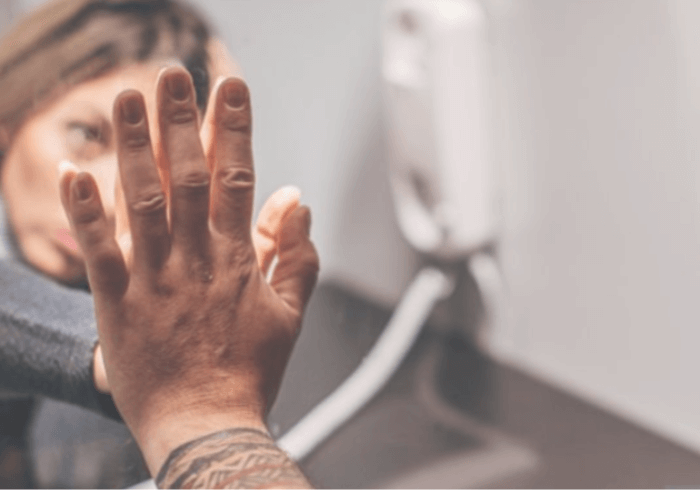
"Even through the cold glass, I felt her heart screaming, 'I'm here, my child,' and it both healed and haunted me." - Elmarie Heckroodt
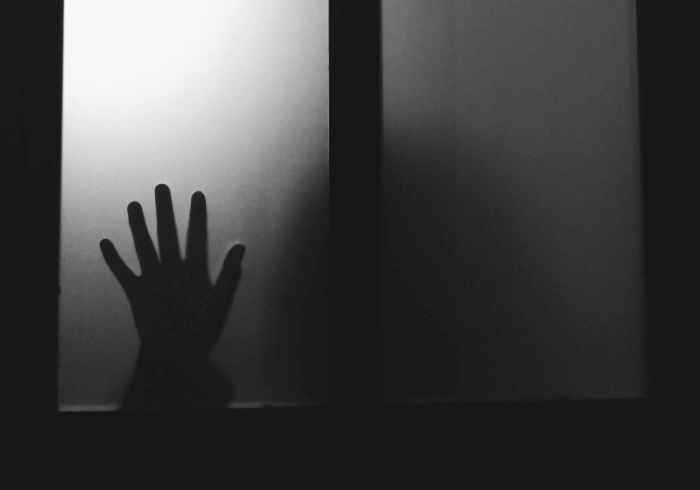
"I wanted to reach through the glass and touch her, but love found me even in the cruelest distance." - Elmarie Heckroodt
I always adored people who have waited. My thoughts on being patient became broader and more complex as I tried to answer so many questions. Thinking about patience turned out to be like peeling an onion, layer by layer, because there are so many kinds and levels of it, and it crops up everywhere.
In Gal. 5:22, the synonym for patience in the list of the fruit of the Spirit is “long-suffering.” No doubt, waiting always involved some degree of suffering, whether it was waiting for some joyful event to occur or for some sorrow or suffering to end.
I thought that perhaps people have so much trouble with time because they were really made for eternity. Patience, at first glance, appeared to be an ordinary feature, not in a class with such noble features as faith, hope, charity, or justice. As I peeled away more of the onion, I discovered that I might have underestimated it. One kind of long-suffering I recognized was waiting for my release date. Daily, I was praying that the Lord would give me an abundance of patience. I really needed it.
A smile appeared on my face as I was thinking about the patience that is expressed in the poster, which I’d seen at a stationery shop once. It said: “Be patient—God isn’t finished with me yet.” This was a very consoling thought; it was the kind of patience that makes it possible for people to accept each other exactly as they are and where they are.
I realized that God’s schedule isn’t always mine, so I prayed every day and patiently had to wait for God to finish His work in me, knowing that there is an appointed time for everything. There were times in my life when praying came easily, when my faith was a joy and comfort to me, and I felt that I was making real progress. Other times, praying became a chore, bad habits would rear their ugly heads again, and I would become discouraged. I realized that this was when I needed to be still and patiently wait for God to continue working in me according to His own timetable. I also realized that gradually I would come to recognize that these times of pruning could be the most fruitful of my life.
I was thinking about another kind of patience that bears sorrow or loss without bitterness or complaining. Lizette and my own past brought this thought to my mind. It was not the grit-your-teeth or clench-your-fists kind of grim resignation, but a faithful acceptance, a quiet embracing of the suffering, knowing that in God’s own good time all things work together for good.
I was experiencing difficulties in cultivating patience, so I had no choice but to begin to appreciate God’s patience with me. “So patient is the Lord that to Him one day is like a thousand years and a thousand years are like one day.” The same thought continued with the very comforting assurance that the Lord does not delay in keeping His promises, though at times I considered it a delay. I realized that He shows generous patience because He wants none to perish but all to come to repentance.
Sometimes I even thought patient people were foolish, but soon realized that without patience, there could be no growth at all. Because of my impatience, wanting to have the timing of things my way, I realized that I was in some sense trying to play God. I had to learn to be patient, to wait for God’s timing and trust it, but it was the most difficult task of my life.
Inside the walls of prison, patience was no gentle virtue; it was survival. Every day brought a hundred small opportunities to practice it. I waited for the wardens to open the gates, their keys jingling slowly as if mocking my eagerness. I waited in endless lines for food, for the tuck shop, for a letter, for a ten-minute phone call. Each delay scraped against my nerves like sandpaper until I learned to breathe and let the waiting become a lesson instead of a torment.
Even the smallest acts of daily life demanded surrender. But the hardest waiting was for love. I longed for Bari, for the warmth of my mother’s embrace, for freedom. At first, these longings burned like open wounds. I paced my cell like a restless animal, praying for release, aching for a letter, desperate for any sign of movement in God’s plan. Slowly, almost imperceptibly, those wounds began to scab over with patience. I discovered that patience was not passive. It was a decision to trust, to keep breathing, to stay open even when nothing seemed to change.
My mother’s unwavering devotion became one of God’s clearest lessons. No matter the weather: wind, rain, or scorching sun, she came every Sunday. She passed through the gates, endured the searches, and sat across the cold glass with eyes that never stopped loving me. Her visits were a living sermon on patience. She waited for me to change. She waited for me to heal. She waited for the day I would walk free. Each time she looked at me through that glass, I felt both convicted and comforted. Her love asked for nothing but everything: that I keep going and let God finish His work.
It struck me that God’s patience often wears the face of a loving mother. Just as she forgave my outbursts and returned week after week, so did He forgive my rebellion and call me back to Him. I remembered the night after one of my worst outbursts, when guilt crushed me like a stone.
As days turned to months and months to years, I began to see patience not as a punishment but as a gift. It was God’s way of shaping me into someone who could hold both joy and pain without breaking. Waiting no longer felt like an empty pause: it became a holy classroom where faith and endurance were forged. I learned that patience is not the absence of action; it is the quiet, steady refusal to give up when everything in you screams to run ahead. It is the courage to trust God’s timing even when every clock around you says you’re late.
Looking back, I realize that patience is love in slow motion. It is the fruit that ripens only under the heat of suffering and the chill of disappointment. It is the long road that leads to freedom, not of bars but of the soul. And as I sat on my bunk, peeling away the layers of this onion-like virtue, I understood that patience was no small thing at all. It was the very heartbeat of God’s grace, pulsing through every delay, every prayer, every tear-stained night, teaching me to wait, not just for my release, but for the day when I would be truly free.
........To be continued
And that’s it for now… your voice makes the journey better! 💬 Comment below.

Author: Elmarie Heckroodt
Stay informed! A new chapter is released every week.
"Section 3 of Jailtime“ continues and will arrive in your email next week.
Keep an eye on your inbox so you don’t miss it.
© 2025 Elmarie Heckroodt. All Rights Reserved.