Jailtime - Part 12 (Section 1)
"Inside those walls, every minute stretched forever, yet my thoughts became the only path to freedom." - Elmarie Heckroodt
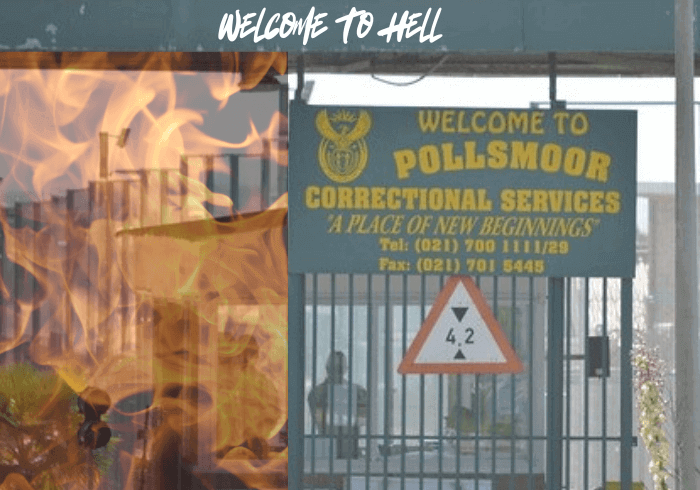
It was September 22, 1998. The day my life as I knew it ended.
A big yellow canter truck waited outside the courthouse. Three other women were already inside when I climbed in. I kept my eyes down, too scared to look at them, too scared to even breathe properly. I wondered quietly what they had done, what crime had brought them here. Their silence felt heavy. I could feel their eyes on me, and it made my skin crawl.
The drive felt endless, every turn stretching the minutes into hours. In my head, it lasted forever, but only fifty minutes passed before we pulled up to Pollsmoor Female Prison. When the doors opened, and the air from the prison yard hit me, it felt like my world had closed in completely.
That first night, lying in the “late admissions” cell, I couldn’t sleep. I was rolling around, tossing from side to side. Tears streamed down my face, and when the tears finally dried up, I couldn’t stop thinking. My mind felt like a roller-coaster going around and around, faster and faster, up and down, but the thoughts just didn’t end. I was thinking about my current situation and how I would handle it. I was thinking about what I had left behind and what I had lost…forever. I felt the most lonesome and heartbroken person in the entire world.
The admission cell was harsh, cold, and unwelcoming. There was no bed, just a thin mattress on the cement floor, barely enough to soften the hardness beneath me. The sheet felt stiff as cardboard, and the grey blanket was scratchy, like steel wool against my skin. I shifted restlessly, trying to find even a small pocket of comfort, but it was impossible. Every movement scratched and irritated me, yet I dared not complain, dared not make a sound.
The tea lady, one of the inmates with more privileges than the rest, had been waiting for me at the entrance. She handed me a warm mug of coffee, her hands steady, her presence calm amidst the chaos inside my body. That simple act of kindness was like a lifeline thrown across a stormy sea. She offered to keep my cartons of cigarettes in her single cell, warning me gently that they would almost certainly be stolen once I entered the community section the following day. Even a small gesture like that reminded me that, even there, human compassion could still exist, quietly, in unexpected places.
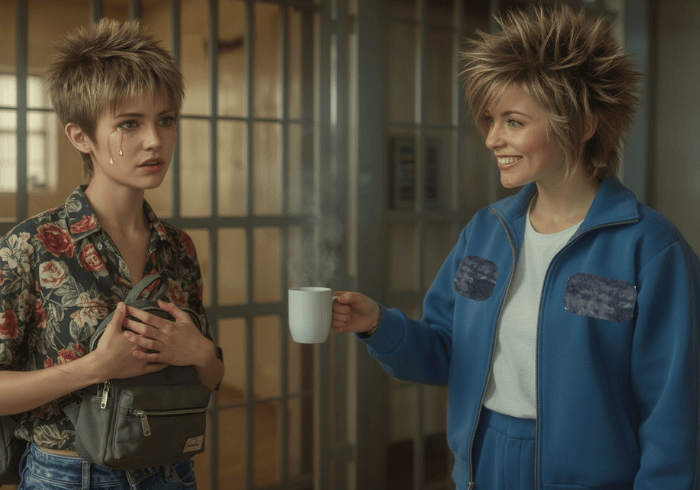
Before I went to bed, she could see that I was beyond scared and nervous. She started talking to me, just to prepare me for what was coming. Her voice was calm, but serious:
“You enter prison with fewer than zero privileges,” she said. “From there, it’s up to you to earn the right to contact visits, more phone calls, go outside occasionally, and work in the main building, for example, the library, reception, store-room, shop, or admin offices. Whether you are permitted to these areas depends on your level of privileges. And if a rule is broken, you can lose a privilege you already have.”
I listened to every word, trying to take it all in.
“Another thing I need to tell you,” she continued, “is about the inmates who have a kind of revolving door." They may be discharged, and then you see them back here within 24 to 48 hours. At first, I thought these people were failures. But as time went on, I realized that God doesn’t create failures. Life just puts some people in impossible, uncalled-for, and unbearable circumstances. They come back because prison is where they feel safe. It’s an escape from a cruel life, from a reality they can’t handle outside.”
She looked at me and softened her tone slightly. “Follow the rules. Attend the recreational and religious groups. Do not get "in" with the inmates who are here just to play games, or what I call the "slumber party" approach. Have compassion for others, even when it’s hard. Listen to them, but don’t spend all your energy caring for others while forgetting why you’re here. Stay away from the inmates who are rebellious and uncooperative. You will very easily be able to identify them. In a trembling voice, I asked her: "How would I know?"
She didn’t hesitate. She told me I would recognise them by how little regard they had for authority and structure. These were the women who openly challenged wardens, ignored instructions, and mocked rules as if they didn’t apply to them. Many were heavily tattooed gang members who had no interest in rehabilitation and no intention of changing. They were loud, dominant, vulgar, and intimidating, ruling the weaker inmates through fear and manipulation.
She explained that they thrived on chaos and control, not growth. They disrupted programs, refused participation, and made it clear they were there to serve time, not to better themselves. Some wardens avoided confrontation with them altogether, intimidated by their influence and aggression, unsure how to rehabilitate women who simply refused to be rehabilitated.
“They will test you,” she warned. “They’ll see how far they can push you, what they can take from you, and whether you’re strong enough to say no.”
Her advice was simple but firm: "Keep to yourself, follow the rules, don’t be impressed by their bravado, and don’t mistake their dominance for strength." I was confused; I wanted to know more; I wanted to be prepared. "How will I know when it's bravado and dominance?" I asked, tears openly steaming down my face. "I am so scared." "You will recognize it by their loudness, swearing, threats, exaggerated toughness, and constant posturing. It’s women who talk big, act fearless, and make sure everyone knows they’re not to be messed with. That behaviour looks powerful on the surface, but it’s usually a mask used to hide fear, insecurity, or the need to control others. Being loud doesn’t mean being strong. It often means the opposite."
She continued, it felt as if I was watching a thriller on Netflix. "What I mean by 'don’t mistake their dominance for strength,' is this: "Dominance in prison is about control: intimidating weaker inmates, breaking rules openly, defying wardens, and running sections through fear. These women appear to “rule” the system, but they are not strong in any meaningful way. Strength would require discipline, self-control, accountability, and the willingness to change; things they actively reject. Their dominance comes from bullying and fear, not resilience or growth.
She saw the desperate need for more answers in my eyes and continued: "In other words, real strength in prison is quiet. It’s following the rules even when no one is watching. It’s keeping your dignity when others are trying to strip it away. It’s choosing not to become what the environment encourages you to be."
"The bravado and dominance may help someone survive the system as it is, but it keeps them trapped in it. True strength is doing the hard, lonely work of not becoming hardened, even when hardness seems like the safest option." "Survival," she said, "isn’t about fitting in; it is about staying out of the wrong circles and remembering why you are here in the first place."
“And the most important thing,” she said, leaning closer, “is this: from the moment you are admitted, you must keep only one goal in mind…your release date. If nothing else helps, hold on to that. It will become your savior. It will help you keep your sanity.”
I thanked her for her kind words, warning signs, and for making me feel "welcome", handed all my cartons of cigarettes to her, and then returned to the "late admission cell", where the warden was already waiting for me. When she slammed the iron-barred gate behind me and turned the key twice in the lock, it felt as if something placed a red-hot iron between my shoulder blades.
I huddled on the thin mattress, gripping the second mug of coffee in my hands, letting the warmth seep into my fingers and arms. It wasn’t much, but in that moment, it felt like a small shield against the cold and the fear. My mind still raced, my heart still ached, but the tea lady’s quiet generosity and her words gave me the tiniest sense of hope; a reminder that I might survive this night, and perhaps the nights that would follow.
I felt like the loneliest person in the world. My punishment was no longer a sentence spoken by a judge; it was a concrete reality pressing down on me.
I had known I would be punished. But knowing is nothing like living it. One moment you’re a person; the next, you belong to the state. Freedom gone. Rights gone. No arguments. No second chances. There was no way to say, "It’s a mistake." No one would listen.
When the shock of the verdict finally settled, another truth hit me even harder:
Someone else now controlled everything. Every door would be locked by someone else’s hand. Every move I made would depend on their rules.
That night, as the lights buzzed and the walls closed in, I felt the truth cut through me: I was no longer free. And nothing would ever be the same again.
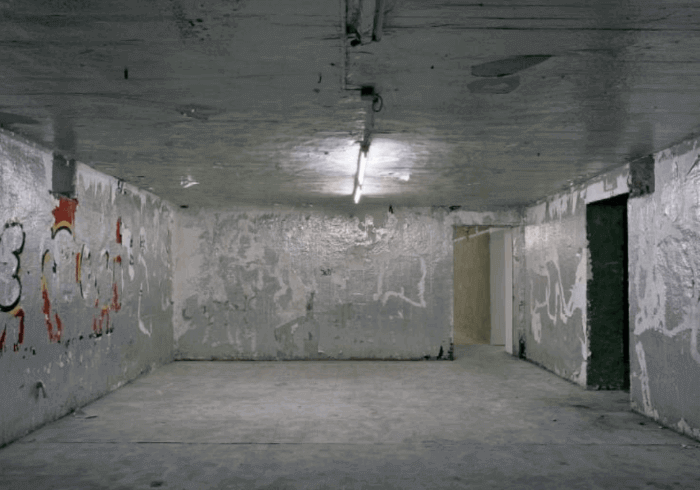
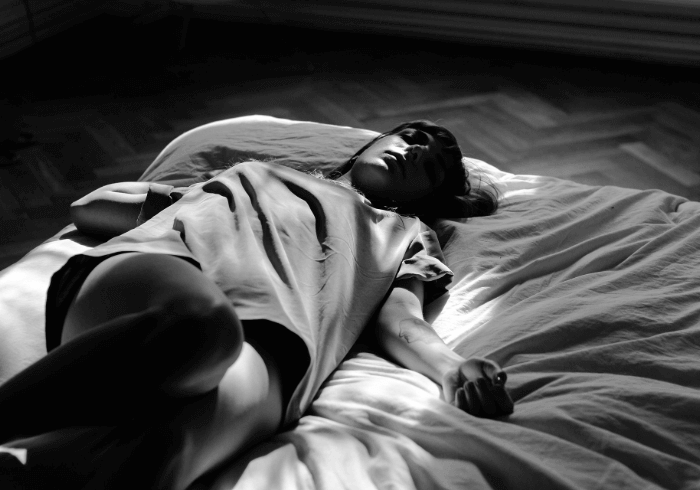
This is what the late admission cell looked like.
The next morning, a warden came to fetch me. Her keys rattled against her belt as we walked, each metallic jingle echoing through the long passage like a reminder of where I was. She was calm, almost casual, but every step we took tightened the knot in my stomach. We were heading to the cell where I would stay for a while. All new admissions were placed there. They called it the E-section.
The corridor stretched ahead of us, long and grey, with walls that smelled faintly of disinfectant and old air. My shoes squeaked against the polished floor, each sound too loud in the heavy silence. I tried to keep my face neutral, to pretend I wasn’t afraid, but inside my chest, my heart hammered against my ribs. Beneath whatever scraps of bravado I thought I had, I was terrified. I had no idea what was waiting for me beyond those doors. Prison wasn’t just another place: it was a completely different society, a world with rules I didn’t know, a world I had never imagined stepping into. For thirty-four years, I had lived outside these walls, and now I was about to discover a life that was cold, hard, and stripped of anything human.
Before we reached the section, the Head of Prison stopped me. She looked at me with a steady, unreadable expression and said she would prefer I stay somewhere else, somewhere quieter. “Because you were a policewoman,” she said, her voice serious and firm, “I would recommend that you stay in a different section, firstly for your own safety and secondly to help you adjust to prison conditions. After two weeks, depending on how you settle in, we can consider moving you back to E-section.”
Her words weren’t just protocol. I knew exactly what she meant. Inside these walls, a former cop wasn’t just another inmate. I was someone who had once put criminals behind bars, someone who had helped take away the very freedom these women had lost. To them, I represented the uniform they hated, the system that had judged them. In their eyes, I wasn’t just a fellow prisoner; I was the enemy. And enemies in prison don’t just get ignored. They get punished. Victimized. Terrorized. A police officer behind bars is a walking target; someone to threaten, to break, to hurt simply for being what they once were. The thought settled like a stone in my stomach. I could be beaten. I could be ambushed. I could be sexually assaulted, I could be made to suffer simply because of the badge I used to wear.
Part of me felt a flicker of relief at the thought of protection, but another part bristled. Quieter. Safer. Special. I hadn’t come here looking for special treatment. I nodded and thanked her because I didn’t know what else to say, but inside, something tightened.
When we arrived at the so-called “special” section, B-section, the feeling only grew stronger. I didn’t belong there, not because I was different from the other inmates, but because I wasn’t willing to hide from what I had done. Why should I be kept apart, as if I were above the people I would be living with?
I took a slow breath and turned to the warden beside me. My voice was careful but firm. I told her I wanted to stay in E-section. I would rather face what was waiting for me than spend two weeks behind a safer door.
She studied me for a moment, her eyes searching my face. Then, with a faint, almost amused smile, she said, “If that’s your choice, I can’t force you otherwise. But know this; it’s meant for your own well-being and safety.” Her words carried a quiet warning, but I stood by my decision. I couldn’t start this sentence by running from it.
After that, we moved on to the clothing store. The smell of laundry powder and cheap, generic Sunlight soap bars filled the air; sharp, sterile, humiliating. A counter separated the wardens from a stack of colorful polyester dresses, a blue polyester tracksuit, a pair of size-5 brown shoes with shoelaces that looked like they dated back to Noah’s ark, a blue faded towel, and a pile of white T-shirts.
The dresses were an insult. Their colors looked like a pizza turned upside down, thrown down a flight of stairs, and then vomited back up. Nothing casual, nothing human; just loud, violent shades that screamed: "Welcome, you are now officially part of life in prison."
I have never in my life worn a dress, except at school and once, to my matric ball, and that was already pushing my limits. Surely they didn’t expect me to wear that shit. The polyester alone was enough to make me almost laugh out loud. Almost.
I gently pushed the shoes and two of the dresses back across the counter toward the wardens and said, as politely as the moment allowed, “Thank you, but I’ll stick to the tracksuit and my own shoes.” At least I was allowed my own shoes, provided they didn’t have a sharp or hard metal point like the ones construction workers wear. Small mercies, I suppose. Even in a place designed to strip you of choice, I managed to keep my feet.
One by one, they handed me the pieces that would now replace everything I once called my own: prison clothing, a tube of toothpaste, a bar of cheap body soap, and a rough block of Sunlight soap for washing clothes. Each item felt like a small piece of my old life being peeled away. My own clothes, my own scent, my own identity; gone, replaced by state-issued sameness and a wardrobe that felt more like punishment than necessity.
Up until then, no one had spoken a word about my case. Maybe they were curious, maybe they were holding back. But I knew they had read the newspapers. My story had been splashed across headlines for weeks. I could feel their eyes on me as if they were all waiting to see if I matched the person they had read about.
Then it happened. Two wardens stepped from behind the counter and came to a standstill in front of me, their expressions sharp, their eyes narrowing with a mix of seriousness and curiosity.
Their voices cut through the air, blunt and cold. “We know that you are a lesbian,” one of them said flatly. “We’ve followed your case in the newspapers. We have to warn you not to get involved in any lesbian activities.” "There are strict rules and regulations set by the Department of Correctional Services against these activities." "Should you involve yourself with any sexual activity, there will be consequences that can affect any of your privileges."
The words landed like a slap. There was no kindness in their tone, no attempt to soften the blow. They weren’t giving advice; they were delivering a warning. My stomach clenched, my throat tightened, and for a second I couldn’t move. Every word pressed into me like cold steel, and I had to swallow my fear and keep moving forward.
The last thing I needed in that moment was a threat disguised as guidance. I was already stripped bare, already carrying the weight of my crime, my sentence, my fear. Now, even my sexual orientation, my truth, was being dragged into the harsh fluorescent light. I stood there, numb and speechless, swallowing hard against the rising heat of shame and anger.
Their words stayed with me as I clutched the rough prison clothes in my hands. The message was clear: inside these walls, every part of who I was would be judged, controlled, and contained. And there was nothing I could do but follow the warden back down that endless hallway and into the life that was now mine.
I was born a lesbian. How could I promise to avoid what they called “activities”? It wasn’t a choice. It is who I am. Yet I nodded, offering my cooperation, knowing that defiance would make me a target. I couldn’t give them the guarantee they wanted, but I knew silence might keep me alive a little longer. Every word, every gesture, every glance had to be measured. One wrong move and I could be marked, tormented, or worse.
Suddenly, I thought of Olla. Sweet, steadfast Olla. She had promised to wait, no matter how long it took. We had met at Stikland Psychiatric Hospital during my month of observation. She was only a friend, but her memory brought a faint warmth, a sense that someone out there cared, someone who understood. And yet, I knew she could never love me the way Lizette did.
The thought of that love, and of the love I could not return to Olla, twisted something inside me. Guilt and longing collided in a tight knot. Olla’s loyalty, her quiet understanding of my brokenness, was the anchor I desperately needed. But what I longed for was bigger than comfort. I yearned for a love that was mutual, fierce, loyal, unshakable. A love that wouldn’t falter no matter how dark the world became. And yet there I was, stripped of everything, clinging to scraps of comfort where I could find them.
Even as I clung to that fragile comfort, a deeper fear gnawed at me: there, behind bars, I was vulnerable in ways I had never been before. I had put criminals behind bars, arrested, judged, and watched as justice was served. But now, I was one of them. A former police officer in a prison full of women who had been judged and condemned by people like me. I could feel their hatred, even before they had met me. Every whisper, every sideways glance could turn into a calculated attack. They didn’t just dislike police officers; they despised them. And when hatred is concentrated, unchecked, and aimed at someone who has no protection, it can become something cruel and relentless.
“Get real. Get a life. Stop dreaming. Start facing the consequences of your terrible act,” I told myself over and over, but even those words couldn’t silence the fear. I imagined the worst: being cornered in the showers, attacked for my uniform, my history, my very identity. I imagined their eyes following me, judging me, planning ways to humiliate or hurt me. Every shadow seemed alive, every creak a warning.
When I entered the communal cell at E-section, the cold reality hit me like a physical blow.
I stepped into the shower, letting the thin trickle of lukewarm water slide over my body, and silently begged it to wash away the pain, the shame, the loneliness clinging to me like a second skin. I wished it could strip me of my past and hand me back my dignity. But water cannot cleanse a soul. I prayed it could wash away the fear, the loneliness, the shame, and maybe even the knowledge of the danger I faced. But it couldn’t. Nothing could.
The toilets and showers were completely exposed; only one toilet had a door, and even that couldn’t lock. Privacy didn’t exist. It wasn’t just absence; it was a violation. Every part of my body, every private act, would be on display.
The humiliation was suffocating. I realized that for the rest of my sentence, every inmate would see me in ways no one outside should ever see another human being. They’d see me shower, see me bleed during my period, see me break down and cry. They would witness everything that should remain private, and there was nothing I could do to stop it. They would know when I was weak and vulnerable, and they would use it. Every glance would be a reminder that I was not just exposed but prey. My body, my dignity, my existence; they could all be taken, dissected, and judged without my consent.
I pressed my forehead against the cold tile, letting the water wash over me, but it felt as if it was washing away only my hope, not my fear. The knowledge that I was a target, because I was a former police officer, because I was a lesbian, because I represented authority and defiance, settled over me like ice. I could be beaten, harassed, humiliated, or worse. There was no one to protect me. No one to care. No safety, only vigilance, every second of every day.
The prison wasn’t just a building. It was a predator. It hunted fear, exploited weakness, and punished difference. And I, in every way, was its prey. I had to learn quickly: survive, endure, hide, adapt, or pay the cost with more than just my freedom.

"Water drips from my hair, but nothing drips away the devastation in me.” - Elmarie Heckroodt
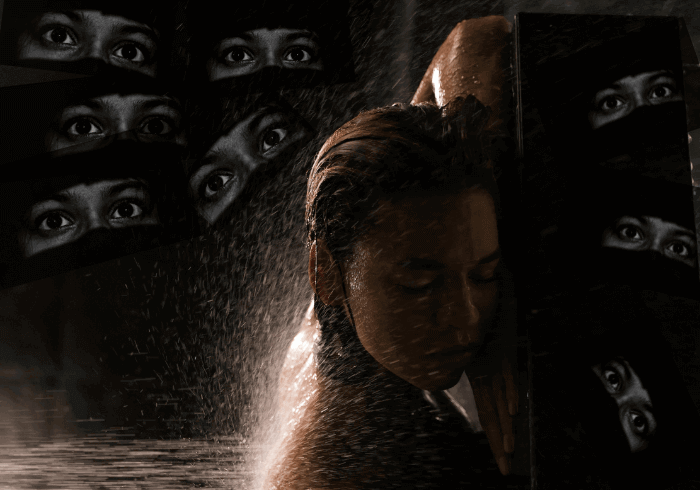
“Every stare cuts deep, a reminder that I’m exposed in every way.” - Elmarie Heckroodt
Almost lifeless and moving like a zombie, I started to unpack my few belongings into a small, rusty bedside locker. One of the inmates offered to sell me the small, rusty steel locker for R25, a locker I desperately needed to store my few belongings.
I didn’t have any cash on me, so I nervously handed her a small Tupperware tub of coffee and a small packet of sugar, which she accepted with a sly grin. Then, as if testing me further, she asked for a packet of cigarettes. My hands shook as I gave them to her. I couldn’t believe the audacity of it, but fear won that moment.
Refusing wasn’t an option; I was too scared of what might happen if I said no. I told her to leave me alone as I wanted to finish unpacking. Each item I placed inside felt like a last connection to a world that no longer existed. My hands shook slightly, and every sound I made seemed magnified in the stillness of the cell.
By then, a few inmates had approached me, surrounding me with smiles and laughter that felt both welcoming and suspicious. Their obvious, forward hospitality was suffocating. I wanted to relax, to take their gestures at face value, but my instincts screamed otherwise. I had been trained to read people, to anticipate danger, but there, every gesture had a hidden edge. It was subtle, but I could feel it. Their smiles didn’t reach their eyes. Their words were honey-coated, but behind them lurked knives of intent.
Much later, one of the inmates came closer. She spoke softly, almost conspiratorially, leaning in as if sharing a secret, but her words carried the weight of a warning. “Just a friendly warning,” she said, pausing to make sure I was listening, “and always keep it in mind. There are no friends in prison. You’ve only been here a while, and I watched you…you are far too friendly and naïve. The entire prison only revolves around benefit. In other words, how much money you have on your property, what financial advantage you can be to the next person, how many toiletries you have in your bedside locker.”
Her eyes scanned mine, gauging if I understood. Then, with a casual flick of her hand, she pointed to a bed in the corner. “That is where I live and sleep. If and whenever you need to know something, you are more than welcome to come ask me.” Before I could respond, she turned and walked away, leaving me with a nervous smile and a churning stomach. The warning echoed in my head, louder than any voice in the cell. I realized immediately how exposed I was, how every move I made, every word I spoke, would be watched, interpreted, and potentially used against me.
After finally settling my few belongings and making my bed as neatly as possible, I collapsed onto the thin mattress. My body was exhausted, my mind frayed, yet sleep remained elusive. Prison didn’t just strip away freedom; it stripped away normalcy. The cacophony of voices, doors banging, laughter, and footsteps carried through the walls, a constant reminder that you could never truly rest. Either you adapted, learned to sleep through it, or you stayed awake and suffered the mental toll. I drifted into a foggy, drugged daze, convincing myself that at least my body could rest if my mind would not.
Then came the commotion. Loud, chaotic, and almost overwhelming, it hit me like a tidal wave. Inmates flooded into the cell at once. Amongst all the black and colored faces, I noticed another white face. It was like a fresh breath of air. Their presence was suffocating, the air thick with smell, noise, and eyes, all eyes on me. Some nodded briefly, polite but wary. Others stayed on their beds, staring. Their gaze wasn’t curious; it was assessing, probing, weighing me up.
I felt exposed, naked in a way that had nothing to do with my body. Each look reminded me: I was new, I was vulnerable, and in this place, vulnerability could be lethal. Every glance, every whisper, every smirk carried a silent question: Who are you? What can we take from you? How easily can we break you?
The psychological pressure was immediate and suffocating. My chest tightened, and my stomach turned to stone. I wanted to shrink, to disappear, but there was nowhere to hide. I was being cataloged, judged, and measured in a way that left no room for error.
My mind raced, trying to anticipate their next move, to decode intentions, to strategize survival. I realized then, more clearly than ever, that prison wasn’t just a physical confinement; it was a psychological battlefield. And I had just been thrown into the middle of it.
"Prison doesn't just take your freedom - it feeds on your fear." - Elmarie Heckroodt
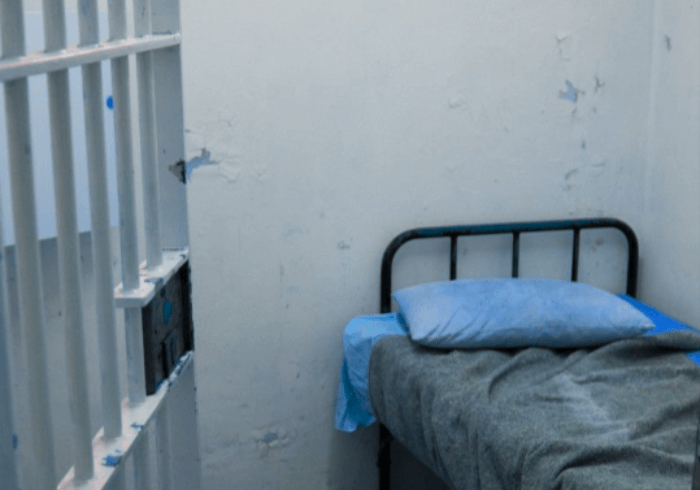
"Prison strips you before you even change your clothes - it takes your breath first." - Elmarie Heckroodt
They were the people that I was going to share one toilet and one shower with. With a shock, I realized that this was my new accommodation, and the thought of “Welcome to hell” flashed briefly through my mind. The cold steel grill clanged shut behind them, and the key turned heavy in the lock. It was 15:00, and it was lock-up time.
Amidst all the noise and loud talking, I briefly counted 32 inmates; 33, including myself, and I thought, “How on earth am I ever going to adapt to this kind of lifestyle?”
Just the thought alone made it nearly impossible to imagine how I could survive there. I had never been exposed to anything so inhumane and humiliating in my life. For starters, I was used to much cleaner, more private bathroom facilities.
The noise in the cell swelled until it felt alive, a living, breathing creature made of laughter, curses, and restless movement. My heart thudded in my chest like it was trying to escape, and for a moment I wished it could. The smell of sweat, damp clothing, and unwashed bodies clung to the air so thick it felt like something I could taste. This was not a place for softness. It was a cage built to strip you bare, inside and out.
Every clang of the steel doors reminded me that I didn’t belong; not to them, not to freedom, not even to the person I used to be.
I had once been the one on the outside of the bars, the one writing reports, escorting offenders, controlling the chaos. Now I was locked inside with people who might have known my face from the other side of a courtroom. I could feel their eyes flicking toward me in quick, sharp glances. Did they know I used to wear a badge? Did they guess? The thought pressed on me like a secret waiting to explode.
The hours crawled, but the noise never stopped. It pressed against my skull like a swarm of hornets; laughter that wasn’t laughter, voices layered in slang I didn’t fully understand, the scrape of metal against concrete. The smell of sweat, damp clothes, and disinfectant wrapped around me like a punishment. My throat tightened; even breathing felt like surrender.
I kept to the edge of the cell, forcing my face into a mask of calm while my stomach churned. They were measuring me, every glance a silent calculation. Did they see the tremor in my hands? Did they already know I didn’t belong? Were they analyzing me for the slightest sign of weakness? If only they had known that every fibre in my body felt weakness, but most of all, fear, because I've heard horrendous stories of incidents that happen in prison. Every clang of the steel door reminded me that I wasn’t a police officer anymore. I was prey until proven otherwise.
A late arrival made her appearance in the cell. Judging from what I’ve heard, she must have been the prison’s hairdresser, and most of the inmates experienced her as a kind and quiet person. She was well respected amongst warders and inmates. “Many days she works late, and when it’s time for “double locks” at 15:00, she comes from the hair salon where she worked as the prison hairdresser. She hardly ever speaks to anybody, and it’s her second time in prison. She was sentenced for fraud”, they said. I didn’t pay much attention to that information. To me, it was just another story regarding another inmate, just another of the many gossips I had heard during my second day in prison.
"Double locks" in South African prisons generally refers to a maximum-security measure where cell doors and gates are secured with two separate locking mechanisms, often requiring two different officers to unlock or lock them.
She moved with a quiet composure that drew my eyes against my will. She carried an invisible space around her, an untouchable calm that the chaos couldn’t reach. Our eyes met for only a second. We nodded, a small gesture of recognition, but it was enough to make me notice her.
When our eyes met, a jolt shot through me; too sharp, too dangerous. The wardens’ warning replayed like a siren in my head: “Don’t get involved”. But what did that even mean in a room where a glance could betray you or where a heartbeat lingered too long?
I looked away, pretending I hadn’t felt it, but the truth slid under my skin: danger wasn’t just behind the bars. It was sitting approximately 5 metres from me, breathing the same stale air. Her quiet presence pulled at me like a thread I couldn’t stop tugging. Her stillness was almost unnerving in a room drowning in noise. She carried herself like she owned some piece of freedom the rest of us had lost. Every time our eyes met, a small charge zipped through me; dangerous and undeniable. I hated myself for noticing.
I turned away, burying myself in the thin blanket, trying to shut out everything: the smell, the noise, the temptation.
But the truth hung in the stale air: I was locked in a communal cell, built to house a maximum of twenty inmates, but I was squeezed inbetween thirty-two strangers, like sardines in a tin, and not one of them cared who I had been before the gate slammed shut. Out there, I was a cop. In there, I was just another body in a cage.
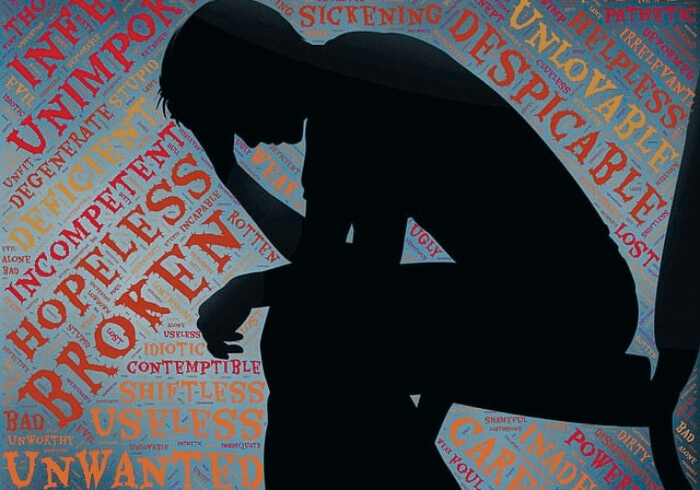
"Worthless repeated in my mind, as I held on to what was left of me." - Unknown Author

"Even when it's hard. Even when there's been hurt. Burst the bubble and breathe." - Elmarie Heckroodt
Things get crazy at night. People do weird things. It’s fascinating, but it’s scary at the same time. I tried to convince myself that I am not like them; that I don’t belong to the chaos swirling around me. But it’s hard to separate yourself. I rarely felt anything during those first nights. It was like floating aimlessly in a bubble with nothing to hold onto if you fell. A hollow emptiness that pressed down on you silently.
My thoughts drifted back to my mother, whom I missed so terribly, whom I loved deeply, and cared for so much. I started crying silently, letting the tears stream down my face. While I cried, I prayed to God, asking Him to take care of Mom and comfort her whenever she wept. I didn’t ask Him to take care of me or to comfort me, because at that stage, I hadn’t yet accepted the reality of being in prison. I had a rebellious demon living inside me, one that wanted to explode through every crack in the walls and reclaim the world I’d been locked away from.
I felt unworthy in God’s eyes, as if I didn’t even deserve a word of His attention. One question kept echoing in my head: “Why did God allow this to happen?” I prayed for everyone else but not for myself. I had no energy left for my own survival, no words left to ask for mercy. All I could feel was emptiness, weariness, loneliness, and a sense of worthlessness. Hours passed before I finally whispered, “Amen”, and drifted into a restless, drugged sleep.
The next day, I wandered through the section mostly on my own, cautious about getting involved with anyone. I greeted only when greeted and otherwise kept my distance. Most of the time, I stayed on my bed, observing quietly. It quickly became clear that the people who made up my “new society” weren’t anything like me. Many had no education, no intellect, and all they seemed capable of was shouting, cussing, and cursing the most vulgar language I've ever heard, arguing violently, and gossiping endlessly. There was no one I could talk to about anything meaningful, no one I could share a decent conversation with, and it frustrated me more than I could put into words.
I needed someone to connect with, someone who might understand the emotions I was going through, the frustration of the conditions, the strain of life in overcrowded communal cells. Living like this was challenging on so many levels. Lack of privacy and personal space, constant noise, culture clashes, public nudity, other people’s mess, and fights between inmates, physically and verbally, all created an unending cycle of tension.
The short-term inmates, those serving 30 days or less, showed no interest in fitting in with the long-term prisoners. They refused to follow rules, refused to clean, and took pleasure in provoking others. The chaos they caused only made it harder for the rest of us to maintain any sense of order, respect, or sanity.

"If someone truly wants to reach you, there's always a way." - Elmarie Heckroodt

"The bed held her body, the smoke held her mind, and for a moment prison disappeared." - Elmarie Heckroodt
Shortly before double locks, I noticed her again when she entered the cell. I hadn’t seen her all day because she’d been busy in the hair salon. Bari carefully set her bag, which held brushes and a hairdryer, on her bed. She looked tired, absorbed in her own world, almost as if nothing and nobody else existed in the tiny space she had claimed for herself.
Her little corner was her sanctuary: a bed, a small area around it, a cup of coffee, and a cigarette, with the occasional moment spent staring through the window bars, lost in thought. Sometimes she would read for a while, and often she would fall asleep before 17:00. I found myself watching her, quietly wondering if this was her daily routine. I didn’t know why it bothered me so much, but it did.
I turned my attention to writing letters to my family and Olla, trying to distract myself. Yet my eyes kept drifting back to Bari. Soon, I noticed she was awake and playing dominoes with three other women. Though serious, she laughed, contributing to the conversation in small but noticeable ways. A sudden, unshakable urge grew inside me; I wanted to be near her, to be part of whatever she was doing. She seemed like a magnet, pulling me closer, but I didn’t know how to start a conversation.
Fortunately, Elise, the only other white inmate and a woman, also in her thirties, whom I had become somewhat acquainted with, was sitting next to Bari. Impulsively, I decided to use Elise as an excuse to join the group. I slid my way behind them, twisting my body so I could peek over their shoulders, pretending to watch the game. I asked Bari if she minded me sitting there. She smiled and invited me to join them. She asked if I wanted to play a game, but I told her I’d rather watch. Even as I watched, I had no idea how the game worked, but I couldn’t stop the feeling of how my body reacted to the smallest touch when our shoulders brushed against each other's.
Their conversation flowed around me; mostly about prison affairs, mostly serious, but Bari noticed I was still "green" in my sentence. She leaned slightly toward me and said quietly, but firmly: “Keep your eyes and ears wide open, say only what’s necessary, and pretend to be absentminded.”
Her advice made my stomach tighten, but I knew she was right. Survival there meant observation before action, learning before speaking, and measuring every word carefully.
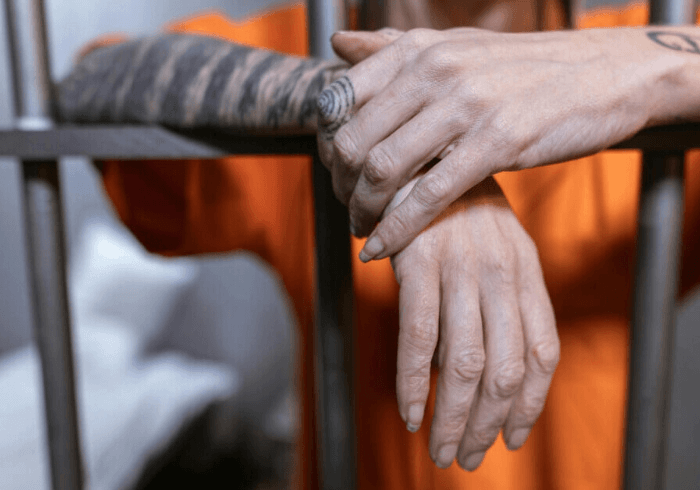
"Some inmates feared freedom more than the cage." - Elmarie Heckroodt
“I was no less broken than anyone else; only now, my brokenness had witnesses.”
- Elmarie Heckroodt
I didn’t understand the reason for those words at first. I had no previous prison experience, but it didn’t take long to realize how true they were.
Still, I appreciated the warning and sensed it as a small act of care. After the game, the three of us: Barineze, Elize, and I, sat together, talking about nothing in particular while I tried to read between the lines of everything Barineze said. Without any clear intention, she was preparing me for what lay ahead.
“This is a serious place, but be alert,” she said, her voice even and sure. “People will do anything to hurt or betray you. They’re clever, heartless, and conniving. You have to get used to it if you want to survive.” Her confidence came from years of watching it happen: small betrayals, sudden fights, alliances that broke overnight.
“Tell me more,” I asked, my curiosity low and careful. For some reason, I trusted her.
She gave me a faint smile. “I’ve watched you,” she said. “You’re impulsive and naive, too friendly with everyone.”
“That’s just who I am,” I answered, trying to sound steady.
“Be careful,” she went on. “No one here cares, and no one will hear you when you cry at night. Some will come to you with what look like sincere intentions, but it’s never real. Don’t fall for it.”
Her words hung in the air like smoke from a dying cigarette. Around us, the cell buzzed with small sounds: shoes beaten against the floor, a cough in the corner, the constant hum of women breathing the same stale air.
I asked Bari why some of the inmates beat the sock on the floor. She explained: "In prison, many inmates never receive visits from family or friends. Without any support from the outside, survival becomes transactional. Small favours are offered, such as cleaning the narrow space around your bed, making it, or washing your clothes, all in exchange for cigarettes or tobacco. Mixed into the tobacco are hard fragments, tiny bits like crushed branches from the plant itself. Those pieces aren’t thrown away. They are collected, stuffed into a sock, and beaten against the cement floor with the sole of a shoe until they turn into a fine powder. That powder is then used as filler, wrapped in a strip of newspaper, and rolled into a cigarette. Nothing was wasted. In prison, even scraps had value."
As I listened to Bari, something inside me shifted. What I had first watched with curiosity settled into pity, and then into something closer to heartbreak. I realised that for many of them, there was no one waiting on the outside, no familiar face behind the glass, no weekend visits to look forward to. What kept me going, what gave me a thin but vital sense of continuity, was knowing that my mother would be coming to see me the following weekend. That knowledge became a quiet lifeline. In that moment, I understood how deeply different prison feels when you are completely forgotten.
After my cigarettes, which I brought along with me, were finished, I learned to roll my own cigarettes, mainly because it was much cheaper than buying cigarettes. We called it a "skyf." I used Boxer tobacco, rolled with white rolling papers specifically made for cigarettes. The brand name is Rizla, and we called it "blaaitjies". It comes in a small red box in quantities of fifty, pulled out one by one like tissues, with a strip of glue on one side you lick to seal it.
Later, I learned how right Bari was. Some inmates clung to the prison like it was a shelter from the chaos outside. Some were desperate to get back to their families. Others wanted to stay forever because the walls felt safer than freedom. Everyone carried a story that could crush or comfort you, depending on the day.
I met people who changed my life. They didn’t make my pain feel small, but they made it feel less strange. They reminded me I wasn’t alone, or broken beyond repair, no matter what the world outside might think.
Bari was one of those people. She was one of the sweetest, kindest people I had ever met. Even now, I get a lump in my throat when I think about her. In a place where cruelty and indifference ruled, she made me feel that I belonged. She made me feel that she also needed me, and maybe that was what saved me.
We became close quickly, and I realized, in a strange way, that I was developing feelings for her: a strictly prohibited feeling. It wasn’t a feeling I could easily name. It was the kind of feeling where you just want the other person to be happy, where their comfort starts to matter more than your own. Within a few days, I cared for her so deeply that I felt I would do anything for her, but "no lesbian activities are allowed in prison" continuously echoed in my mind like a distant ceremonial drum, impossible to silence.
Bari showed me the ropes and introduced me to people of all ages, each carrying their own scars and stories. Through her, I began to understand the unspoken rules of the cell and the different types of people inside it.
There was also a darker side: groups of wardens and inmates who made a sport of finding your weaknesses, prying into why you were there, and then using that knowledge to torture you mentally and verbally. It was a slow, deliberate cruelty, far worse than my stay at Stikland Hospital.
Stikland had been controlled chaos: therapy sessions, medication schedules, and the steady rhythm of daily life among patients who, despite their struggles, mostly kept to themselves. There, you could explore your feelings without fear of being judged, except for the occasional one or two prejudiced “assholes,” and focus solely on how to get yourself to function at a normal level in society.
Prison was different. It was unpredictable and merciless. No therapy sessions. No safe corners. Just constant noise and the silent calculations of people who could smell weakness.
Bari stood out in that world. She was clever and intelligent, quick to read people, and easy to talk to. I liked her, but she also made me uneasy. There was something about her I couldn’t name: an invisible weight in the air whenever she was near. The more time I spent with her, the stronger the feeling grew. I tried to ignore it, telling myself it was just the stress of prison life causing me to try and connect with someone I could just be me, without any barriers or conditions, but it stayed with me like a shadow I couldn’t shake.
Above her bed was a single photograph of another woman. It wasn’t the kind of picture you keep of a sister or a cousin. Before I could stop myself, the question slipped out of my mouth. “Do you have someone special in your life?” The moment the words left me, I felt like a fool. Bari and Elise both burst into laughter, a knowing kind of laugh that made my face burn.
“What’s so funny?” I asked, confused and embarrassed.
They exchanged a look and laughed again, surprised that I hadn’t already heard the stories. In that instant, I understood. The woman in the photo wasn’t family. Bari and the woman were lovers. The realization hit me like a quiet shock: not because it bothered me, but because it explained the undercurrent I had been feeling all along.
I felt an immediate stab of disappointment, sharper than I expected, and I couldn’t explain why. Without thinking, I found myself wanting to know how serious their relationship was, as if the answer might tell me something about my own confusing feelings. Bari quietly said the relationship was over, her voice flat but edged with something fragile. Then she stopped. The way her eyes shifted, soft but guarded, told me the subject was closed. There was a flicker of sorrow there, a pain she wasn’t ready to share, and in that moment, I knew I had to respect her boundaries. Pushing would only wound her more, and the last thing I wanted was to add to her hurt.
Even so, I couldn’t pull myself away. There was a vulnerability about her that held me, an invisible gravity I didn’t want to escape. I stayed close, telling myself it was a simple concern, but deep down I knew it was more than that. The woman in the photo must have hurt her deeply; that much was clear. I wanted to protect her, to somehow make it better, even though I barely knew her. The thought of leaving her side felt wrong, as if stepping away would mean abandoning her in her quiet pain.
I kept scolding myself, trying to push back the restless pull of my own imagination. I knew how easily my mind could drift into dangerous territory, how quickly a harmless connection could turn into something complicated. But no matter how hard I tried to be sensible, the truth stayed with me: I liked her. I wanted to know her, to understand the pieces of her life that she kept hidden behind those careful eyes. And no amount of self-reprimand could erase that growing need.
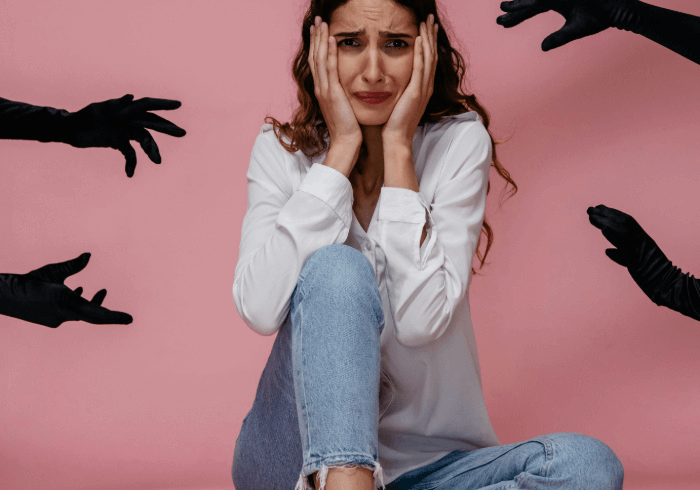
"Kindness in prison is dangerous - it saves you while it scares you." - Elmarie Heckroodt

"A single photograph can tell the story no one dares to speak aloud." - Elmarie Heckroodt
That night I went to bed feeling strangely calm, almost content. For the first time since my arrest, a small thread of comfort wound its way through the fear and uncertainty. I prayed again, asking God to protect my mother and, almost shyly, I thanked Him for Bari. The thought of having someone to talk to, even in that brutal place, felt like a lifeline. I slept better than I had in days, and when I opened my eyes the next morning, the first thing I did was search for her.
She was already awake, sitting neatly on her bed, showered and carefully applying makeup. In this harsh, filthy world, the sight of her: calm, composed, deliberate, felt almost unreal. I watched her closely, quietly admiring the way she moved, how even in a prison cell she managed to create a small pocket of dignity. For a few moments, it was as though everything around her faded. But then reality tugged me back. She still hadn’t noticed me. I felt a stab of disappointment, sharp and unexpected.
Gathering myself, I finally got down from the upper side of the bunk bed and made my way toward the showers. As I passed her bed, I managed a quiet greeting. She looked up and gave a faint smile. “Good morning,” she said, her voice barely above a whisper. That single look, that soft reply, felt like sunlight breaking through a crack in the wall.
It was my fourth day in prison, and the hours dragged like lead. I spent the morning in the courtyard with Elise and a few other inmates, trying to blend into their idle conversations.
Bari wasn’t there, and for a while, I tried to push her from my mind. I listened to the chatter around me: arguments, gossip, small bursts of laughter, but my thoughts kept drifting. Despite the noise, a heavy loneliness pressed in. Surrounded by dozens of women, I felt like the most isolated person on earth.
Seven years. The number haunted me. Seven years before I could even hope for parole. How could anyone survive this without breaking apart? Everyone else seemed so settled, almost comfortable, as if this life had become normal to them.
I felt like an outsider, a stranger in a world where I didn’t belong. I missed my mother with an ache that wouldn’t let go, my dogs, their unconditional love, their warmth. And most of all, I missed Lizette and Kegan. They had been part of me for so long, but they were gone, torn away with a force that left wounds no one could see. The pain was constant, raw, like a slow, invisible bleeding. I asked God the same questions over and over: "Why, why this, why me?", but silence was my only answer.
At some point, I realized I couldn’t keep drowning in those thoughts. The grief and unanswered questions were only feeding the despair. If I didn’t start accepting that new life, it would swallow me whole.
Prison wasn’t just a place; it was a system, a world with its own rules. Every movement, every word, every privilege was controlled. There were regulations for everything: how you walked the corridors, the ten minutes you were allowed on the phone, and the single hour you were permitted in the courtyard, from ten to eleven in the morning. Inmates who refused to work stayed locked in their cells for the entire day, choosing not to work in the laundry room, the sewing or knitting rooms, or to attend any recreational classes. When ten o’clock came, they flocked to the cell gates like clockwork, shouting for the wardens to open up because it was courtyard time. If a warden took even a little too long, the shouting turned into screaming. Cell gates were yanked back and forth, metal rattling against metal, voices cursing and demanding the gates be opened: "Open the fucking gates." That one hour in the open air wasn’t a privilege to them; it was a right. It was the only break from the suffocating confinement of the cell, and they clung to it like something they were owed.
At that stage, I had not yet been assigned any work. I didn't ask why, because I was too afraid of the answer. Maybe, I thought, they would answer me: "Don't question the system, just do as you are told," or maybe they were still monitoring my adjustment. So, I stayed, and I watched and listened to it all from inside my cell: the shouting, the gate-rattling, the fury over those sixty minutes of freedom, and I felt removed from it, almost stunned by the intensity. I didn’t shout. I didn’t pull at the gate. I stood back and absorbed it in silence, trying to understand where I was and what this place demanded of me. Their anger made sense, but it also frightened me. I realised how quickly time, routine, and confinement could strip away patience, dignity, and self-control. I wasn’t angry yet. I was still in the phase of listening, observing, and bracing myself for what my sentence was going to turn me into.
Even sleep felt regulated, as if they would dictate the position of your body if they could. Breaking a rule meant punishment: no exercise in the courtyard, no visits, no television. The walls weren’t the only thing keeping you in; the rules tightened around you until you couldn’t breathe.
That same week, it was my sixth day in, and I was sitting on a wooden bench in the courtyard with a warden, talking quietly, when the unpredictable happened: the very thing I had been praying would not happen to me.
An inmate approached without warning and stopped in front of me. Before I could react, she struck me, knocking me off the bench. As I lay on the ground, she stood over me and said, “That is MY seat,” pointing at the bench. The warden did nothing. She didn’t stand up. She didn’t intervene. She didn’t even look surprised. My cheek burned as I broke down and asked to be taken back to my cell. Once the gate was locked, I asked why nothing had been done.
The answer was blunt and emotionless: "The inmate is mentally unstable, but not unstable enough to be admitted to a psychiatric facility." When I asked about laying a charge of assault, I was told it would lead nowhere because everyone knew her condition and that she was already under medical treatment.
In retrospect, I now know why I didn’t fight back. As an ex-police officer, a known lesbian, and someone convicted of murder, any reaction from me would never have been viewed as self-defence. It would have been framed as violence. One wrong move could have put my parole in jeopardy. The wardens knew that. The inmates knew it too. That moment marked the beginning of years of intimidation and victimisation, carried out with the quiet understanding that I could not afford to respond.
Outside those walls, people assume prison is comfortable, a “holiday resort.” They point to the television in every cell and the radios, convinced that the food is five-star quality. What the outside world doesn’t see is that the television in the cells wasn’t just bolted behind an iron cage: it was also a source of constant conflict. In a cell with 33 inmates from different cultural and ethnic backgrounds, the majority, black inmates, effectively ruled the TV. Whoever held the remote controlled what was watched, and most fights broke out over it. Everyone wanted to see their favorite program, but the one with the remote decided which channel stayed on until lights out at 10 p.m., when the nightshift warden came to collect it. Complaints about fairness were lodged regularly, but if no agreement was reached, the cage could be unlocked by a warden, the television removed, and not returned for a week. The cage door remained locked, forcing us to watch through bars that fractured the screen. It was frustrating, chaotic even, but necessary: any object thrown at the TV could cause serious damage or injury.
Radios work only if you have batteries, and the food… well, even my dogs wouldn’t eat it. Yet still, the public screams for harsher punishment and calls for the death penalty, blind to what daily life inside actually is. On top of that, I carry a label that will never leave me: “murderer.” My crime was a moment of passion, influenced by sleep deprivation, sedatives, and alcohol. I had no intent, and yet the judge said I planned it months in advance, a claim I would swear against on the Bible itself.
Still, the label sticks. Society wants sensation, horror, and a villain, not the truth of nuance. They fail to see that not every person who commits a horrendous act is evil. Some of us are human, flawed, and capable of remorse. That misperception, that blanket judgment, is another form of punishment, one that lingers long after the gates close.
For seven years, I was belittled, threatened, and tested in ways that left me with fuckall recourse. I didn’t fight back with my fists, not at first. I survived by restraint. Later, when silence no longer protected me, I fought back with my voice. When I was told I was “playing with my parole date,” I told the Head of Prison she could take my parole and stuff it up her ass. By then, fear had already done its worst and lost its power over me.
Life had to continue, but how? Where could I even begin? Each morning, I woke to the same question, like a hammer to my chest: how does one person carry so much pain alone? How do you live with the loss of everything: your freedom, your loved ones, the life you once knew, and still face the truth of what you’ve done?
The days stretched into a slow, endless infinity. Every hour felt the same, each one ruled by a set of regulations that, on the surface, kept order, but in reality only reminded us that we were prisoners. These rules weren’t just instructions; they were a constant echo of captivity. They dictated when we ate, when we walked, and when we could breathe a little deeper, and in their repetition, they became another form of harassment. Each whistle, each locked gate, each shouted order pressed the same fact deeper into my mind: you are no longer free.
Amid this crushing routine, something unexpected began to stir inside me. Somewhere between the noise of the courtyard and the heavy silence of lock-up, I became aware of a tiny “voice.”
At first, it was just a whisper, a faint presence that followed me through the day and into the night. It wasn’t threatening, but it was persistent, like a companion I hadn’t invited. Sometimes I caught myself answering it in my mind, almost without realizing it. For a while, I wondered if I was losing my grip. Could anyone see me speaking to something invisible? Was I imagining it, or was I truly being spoken to?
It took time, but eventually I recognized the voice. It wasn’t madness. It wasn’t loneliness playing tricks on me. It was the Holy Spirit. For the first time in my life, I felt it with such clarity that I couldn’t deny it. The awareness brought an unexpected comfort; a steady, quiet certainty that I was not alone. I began to talk back, asking questions, sharing my fears, whispering silent prayers when no one was watching. And as I did, the sorrow, the loneliness, the sharp edges of my pain began to soften, even if only a little.
I wasn’t transformed overnight, but I could feel something shifting inside me. A new layer of strength was forming, quiet but real, as though the voice was teaching me to survive prison without letting it destroy me.
That afternoon, when Bari stepped into the cell, a sudden rush of warmth shot through me. Just seeing her made the walls feel less heavy. I wanted to leap from my bed to tell her everything I had been carrying, to ask her to help me untangle the chaos inside me. But I stayed where I was. I forced myself to stay calm, to hide what I truly felt. I watched her move to her bed with her usual calmness, my heart pounding in a way I could barely understand. I needed her: needed her as a confidant, a friend, maybe even something more, but fear kept me silent. So I stayed on my bed, keeping my distance, while inside me the longing only grew stronger.
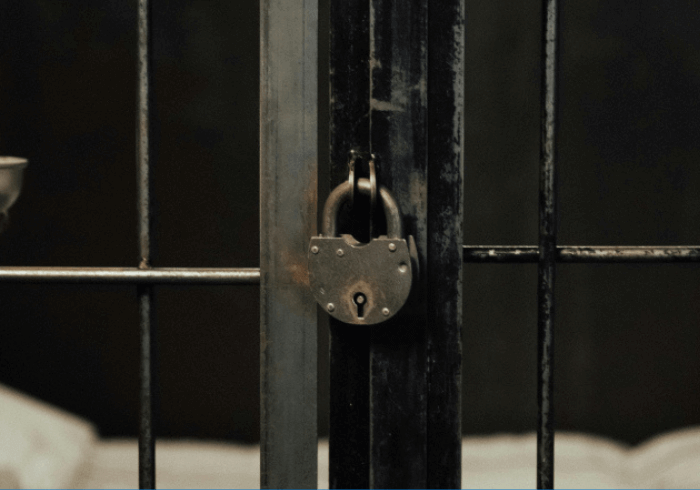
"Every locked door became a reminder that my life now belonged to rules and keys." - Elmarie Heckroodt
"Prison doesn't just steal your freedom; it forces you to face parts of yourself you've tried to silence." - Elmarie Heckroodt
The usual routine followed. Bari would slowly undress, moving with a kind of quiet confidence, and afterward settle back with a cup of instant coffee and a cigarette. The smoke would drift lazily across the cell, mixing with the damp scent of concrete and disinfectant. What got to me most wasn’t the coffee or the cigarette; it was the way she would just stare. She’d lie flat on her back, eyes fixed on some invisible bubble above, her face unreadable, as though her thoughts were locked behind a door no one else could open. I ached to know what went on in her mind, to be invited into whatever world she disappeared to during those endless silences. But she gave off an unmistakable signal: these moments were hers alone, and I had to respect that.
It didn’t take long before sleep claimed her again. Bari had a way of slipping into deep rest like it was an escape hatch. It was rare for her to wake before morning, and when she did, it was only for the bathroom or to flip through a few pages of a battered library book before retreating once more into that private world of sleep. The repetition grated on me more than I wanted to admit. Every day it was the same: the staring, the reading, the sleeping. I would watch her and feel this rising urge to shout: "Is that all you can do? Don’t you ever want to talk?" But I bit my tongue. I couldn’t risk pushing her further away.
Whenever she was awake, I caught myself studying her face, searching for some sign that she might look my way. And when our eyes did meet, even for a heartbeat, I’d feel a heat rush through me. My stomach tightened with a nervous guilt, as though she could read the thoughts I tried so hard to bury. I was terrified that if she sensed even a trace of what I felt, she’d retreat deeper into herself, leaving me with nothing but the silence and the smoke.
After seven long days inside, a Monday afternoon finally broke the pattern. Bari returned to the cell carrying a plastic bag filled with thin green ribbon strips for Heritage Week. The wardens had ordered thousands of tiny ribbons to be folded and pinned, and three other inmates quickly joined her to begin the tedious work. I watched them for a moment, my heart thumping at the small crack of possibility this brought. Here was my chance. I couldn’t let it slip by.
I climbed down from my bed and walked toward her, careful but determined. By then, I already knew she guarded her space and disliked anyone sitting on her bed. Still, I asked softly if I could help. She glanced up, her eyes warm for once, and smiled. “Yes,” she said, her voice low but kind. “That’s very nice of you. We have to finish three thousand by the weekend.”
Carefully, I settled at the bottom of the bed, while she sat at the top. We began folding ribbons, the repetitive motion strangely soothing, our fingers brushing the coarse fabric of prison-issued strips as we worked.
Conversation started in cautious fragments: small remarks about the task, the time, the endless days, but soon it flowed more easily. Laughter slipped through the cracks of our guarded hearts. After a while, she offered me a cup of coffee; I offered her a cigarette. The ice, thick and stubborn, finally began to melt.
In the days that followed, our new routine took root. Every evening, I would cross the narrow space between our beds and sit with her for hours. We folded ribbons, drank bitter coffee, and talked until the night shift wardens called for silence. We spoke about life, about the things we believed in, about the dreams we carried despite the bars around us. We rarely disagreed. Sometimes it almost frightened me how much alike we were, how easily we seemed to fit into each other’s thoughts. It felt as though something larger than coincidence had placed us in that cell together, as though we were meant to find one another in the middle of all that gray emptiness.
I liked her much more than I wanted to admit. She was quiet, but not empty. There was a strength in her honesty, a steadiness in the way she held herself that drew me in. I loved being near her, loved hearing what she believed, loved the way she stood for something real in a place that tried to strip everyone of meaning.
But I didn’t want to feel attracted to her more than that. I couldn’t let myself. Not there. Not then. I told myself it was just friendship, that the connection we shared was born from survival and long nights, not the kind of attraction that twists itself into something dangerous. Yet every time Barineze’s voice softened in the dark, every time her eyes lingered a second longer than necessary, something inside me stirred. There was so much about her I already loved, and it scared me. What I didn’t know then: what I would only learn later was that it scared her too.
That night, like so many that followed, we spoke in low voices while the rest of the cell slept. I told her everything I thought would help her see me as more than my crime.
My childhood streets, the schools where I learned to fight and hide, my family’s complicated love, the lovers I’d once trusted, the small victories and the deep betrayals. I told her about my years in the police force: the adrenaline, the strange mix of order and chaos, and my obsession with animals, especially dogs.
When I spoke about Kegan, my chest tightened until it hurt. I told her how it felt when he was born, the rush of holding a life that was mine, and then how it felt to lose him, a loss so violent it still echoed in my bones.
I lowered my eyes, fighting to swallow the lump in my throat. “You would know what it feels like,” I said quietly. “You’re a mother. It’s the most exciting feeling in the world when you hold your own newborn baby in your arms.”
Her face softened as she listened. In that cold cell, we created a warmth that belonged only to us. We talked for hours, weaving pieces of our lives into the silence. Prison has a way of stripping people bare, of forcing truths into the open that might otherwise stay hidden for decades. Around her, I didn’t feel the need to hide.
Her voice, calm but curious, finally asked the question I had been waiting for. “The woman you’ve lost…what happened?”
I felt no anger, no need to defend myself. Just a heavy, tired honesty. “We had a house built,” I began, my words slow, deliberate. “We were together almost ten years. We had a little boy. We had so many dreams…” My breath caught. “She betrayed me with our best friend. And I… I shot and killed her.”
The words fell into the quiet like stones sinking into deep water. I turned my face away, guilt pressing hard against my chest. “I shouldn’t have. But I did. I just… lost all sense of myself.” I turned back and looked at her. Her eyes held mine, not with judgment but with something gentler, something I couldn’t name. “What happened to the boy? How old was he?”
Tears burned my eyes as I forced out the answer. “His grandparents: her parents adopted him. He was two years old at the time.” I couldn’t say more. The pain sat like a blade between my ribs.
I turned slightly, as though the movement could protect the memory. The tattoo on my shoulder blade ached as if it knew I was speaking of him. A colorful dolphin, carefree and leaping through water, with Kegan’s name inked beneath. I had it done when he was just four months old. It was my promise that he would always be a part of me, even if now, he existed only in 30-year-old faded ink and memory.

"In aworld built to break us, a single shared cigarette felt like a small act of freedom." - Elmarie Heckroodt
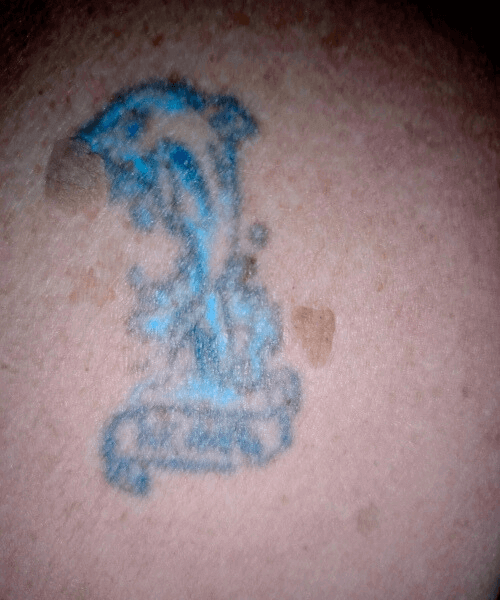
Original tattoo - very faded after 30 years
"Some losses live on in ink and memory, a promise the heart refuses to forget." - Elmarie Heckroodt
Bari eventually opened up to me, too. Her story carried its own kind of weight, a trail of scars that ran deep. As she spoke, I could almost feel the pain moving through her words and into my own chest. I listened carefully, letting her voice fill the entire cell, and with each detail, compassion settled heavier in me. It wasn’t pity, never that: it was something deeper. I could relive her hurt as if it were my own, every pause and trembling breath pulling me closer to her.
One night, long after the lights were out and the television flickered in the corner, I returned to my bed in the early hours. The air smelled of stale smoke and damp concrete. I lay on my back, staring at the smoke-stained ceiling, my mind turning in restless circles. That was the night I admitted the truth to myself: I was falling in love with Bari. I knew it in my heart, as sure as the cold floor beneath me, but I had no idea how to tell her. Across the cell, curled up in a small bundle of blankets, she breathed steadily, her face soft in the dim light. I didn’t know then that in her own quiet way, she felt the same. She was falling too, and neither of us knew how to handle it.
But my feelings weren’t simple. They never were. Lizette still haunted me like a shadow I couldn’t shake. By then, she had become a vague presence in my day-to-day thoughts, but when she surfaced, the sadness returned with a force I couldn’t control. We had spent nearly ten years together. Even though she was gone, the hurt she left behind still burned. I tried to push her memory away, but like a stubborn infection, she crept back when I least expected it. And every time she did, the grief for Kegan followed, sharp and relentless. I loved him more than life itself, and losing him because of her betrayal cut deeper than anything else.
I wanted to give Bari a fair chance if anything real ever grew between us. But to do that, I knew I had to let go of Lizette, and maybe even Kegan. The thought terrified me. How do you let go of a child who will always be part of you, not by blood or heartbeat, but through circumstances that brought us together as a family? I wasn’t sure it was possible.
In my confusion, I prayed. The Lord must have heard me because soon after, I received a letter from my stepmother, Ninni. Her handwriting carried the comfort of home, but it was her message that stayed with me. She quoted a verse from the Word: “Brethren, I count not myself to have apprehended: but this one thing I do, forgetting those things which are behind, and reaching forth unto those things which are before.”
I read it over and over until the words sank deep into me, almost becoming a rhythm to live by. Slowly, I began to practice what it asked of me: letting the past slip, if only a little, and trying to reach toward something new.
When the dates Lizette and I once celebrated crept closer on the calendar, they no longer brought the same sharp anxiety. Birthdays, anniversaries: those markers of a life we once shared were starting to lose their power over me. But two days would always remain carved into my heart.
The first was January 25th, the day Lizette died. Every year, it returned like a ghost, not because I missed her, but because it forced me to relive every terrible moment that ended her life. The second was December 21st, the day Kegan was born. That date would never haunt me; it carried a different kind of ache. It was softer, tender. A day I could hold close without fear, a day to nurture and treasure as long as I lived.
Bari and I kept drifting closer, as if some quiet current inside the prison walls was pulling us together. The affection between us deepened without a single word needing to be spoken. It lived in the way our eyes would find each other across the room, in the soft pauses during our conversations, in the small, unplanned touches when we passed a cup of coffee or a cigarette.
There was no need for grand gestures. It was all there: in the silence, in the stolen glances, in the way time seemed to bend when we were near each other. The others might have sensed it, but if they did, neither of us cared. For a few fleeting moments, it felt like we had carved out a small, untouchable world of our own inside those cold, concrete walls.
That night, I prayed longer than usual. I thanked God for sending Bari into my life, not just as a friend but as someone who felt like a gift in the middle of my punishment. I asked for guidance, begged for clarity. "If this is meant to be, please show me, Lord. Don’t let me repeat the mistakes of the past." I didn’t want to stumble blindly into something that could break meor break her.
Eleven days into my sentence, a warden called my name and told me to report to the Institution Board at nine o’clock. My stomach tightened as I walked the long corridor towards the administrative offices.
The meeting itself was clinical, almost rehearsed. They explained my work assignment in the laundry, outlined the parole process, and listed the rules that would dictate the next years of my life. Then the chairman’s tone shifted. His eyes locked onto mine, cold and deliberate. He told me they knew I was a lesbian. "Fuck!!", I thought, "why do they have to remind me of my sexual orientation every fuckin single day?" His words fell like stones: “Although it’s your Constitutional and Democratic right, the Department of Correctional Services still acknowledges it as a serious offense. You are warned not to get involved in any lesbian activities, because it could be held against you when the Parole Board reviews your case.”
I sat frozen, numb in a way that felt almost familiar. It was the same sharp sting I’d felt the day those warders in the clothing store had singled me out. Sadness swelled into a quiet fury. "How can they judge me for being human?", I thought. I hated their openly unfair and humiliating judgment. I had an urge to turn the office table upside down and scream from the top of my lungs: "This is who I am. This is what I am. I may be a lesbian, but I am no different from you. Maybe I’m even a better person than you." Instead, I suppressed my anger. Silence would be my only saviour. Their warning left a bitter taste that clung to me long after I left the office.
It wasn’t just that moment: it was the environment as a whole. Living in a prison that was openly homophobic left me with a constant, gnawing sense of humiliation and discouragement. Every glance, comment, or whisper reminded me that my identity made me a target. Small freedoms, conversations, or even moments of quiet were tainted by the knowledge that being known as a lesbian was considered a weakness, something to mock, exploit, or punish.
I had to navigate the corridors carefully, measure every word, every gesture, and constantly anticipate prejudice and aggression. The shame wasn’t mine, but the system made it feel personal, and the discouragement settled in like a heavy weight I carried every day, no matter how strong I tried to appear.
When I returned to the cell, the walls felt closer, heavier. Bari listened in disbelief as I told her what had been said. Her face tightened with anger and something else: something protective. For the first time since arriving, I felt the true weight of being marked, of being seen as something to be controlled, degraded, disrespected, and treated as a worthless piece of nothing.
By the seventeenth day, the whispers had already spread. The gossip slithered from cell to cell: I was spending too much time on Bari’s bed. It didn’t matter that we hadn’t touched beyond a shared cigarette or a late-night conversation. Rumor doesn’t care about truth. The talk said we were lovers, and maybe in some ways, they weren’t wrong. Our hearts were already leaning toward each other, even if our bodies weren’t. But in prison, affection was a crime. Relationships, real or imagined, were punished. We had to guard every look, every word.
The hypocrisy cut deep. While Bari and I sat under constant watch for something as harmless as love, the men’s section just a few metres from our walls echoed with screams. Nights were broken by the sounds of boys and grown men being sexually assaulted, their terror impossible to silence or ignore. It was brutal, and everyone knew it, yet it went unchecked. The cruelty of it all was almost too much to bear.
Still, Bari and I clung to the fragile connection we had, not knowing that the real horror, the kind that would test everything inside us, was still waiting in the shadows.
........To be continued
And that’s it for now… your voice makes the journey better! 💬 Comment below.
Author: Elmarie Heckroodt
Stay informed! A new chapter is released every week.
"Section 2 of Jailtime“ continues and will arrive in your email next week.
Keep an eye on your inbox so you don’t miss it.
© 2025 Elmarie Heckroodt. All Rights Reserved.